
Dear Classical Wisdom Reader,
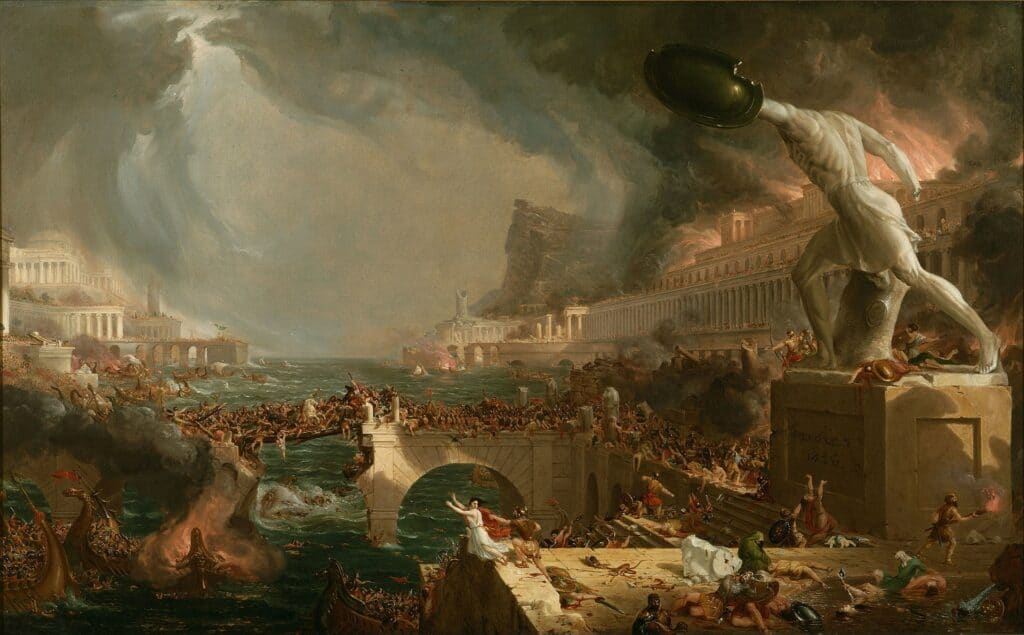
They say Rome wasn’t built in a day, but no one ever mentions how long it takes for an empire to fall…
The Eastern Roman Empire, also known as Byzantium, was once the jewel of the Mediterranean, outlasting its Western sibling by centuries. Its scholars debated theology, its merchants ruled the seas, and its emperors believed themselves eternal.
They weren’t, of course. As we lover of history know, no one ever is.
The Byzantines faced challenges that sound eerily familiar: shifting climates, spreading plagues, and the strain of a world more connected than ever before. Their story isn’t just an ancient tragedy, it’s a cautionary reflection. Because while the names and borders have changed, the habits of empire, and the illusions that sustain them, remain remarkably the same.
In today’s article, we’ll explore the reasons for the fall of the Eastern Empire. This isn’t necessarily about decline or despair... but of foresight... a chance to learn from the past ruins before we add to them.
On a completely related note, a quick reminder that our online event, Does Ancient History have a Ancient History? is taking place tomorrow at 1pm EDT. As the world changes, there have been calls to adapt, change, or even eliminate the Classics. It’s an important topic to discuss, so we have invited in three re professors to take the different stances to debate.
Check out our prestigious line up and register to join this incredibly important conversation - we want to hear your thoughts on the future of Ancient History.
The Romans couldn’t see their ending until it was upon them, but we can…
All the best,
Anya Leonard
Classical Wisdom
P.S. Members: You can enjoy our entire Classical Wisdom Litterae issue dedicated to the Eastern Roman Empire. Peruse our archives and enjoy our full magazine collection, including this one, here:
If you aren’t a member, but would like to support our mission of promoting and preserving lessons from the ancient world -as well as having FULL access to our depth articles, ebooks and more- you can do so here:
The Decline of the Eastern Empire
by Andrew Rattray
It’s hard to pin the ultimate ending of the Roman Empire to a single cause. There is no single date we can point to but rather a gradual collapse over hundreds of years. In the 3rd century the Empire was split into East and West, and by the 6th century the Western portion of the Empire was reduced to a collection of ‘barbarian’ rump states leaving the Eastern Empire to endure alone. Eventually it was known as the ‘Byzantine’ Empire, though its inhabitants continued to consider themselves Romans for some time.
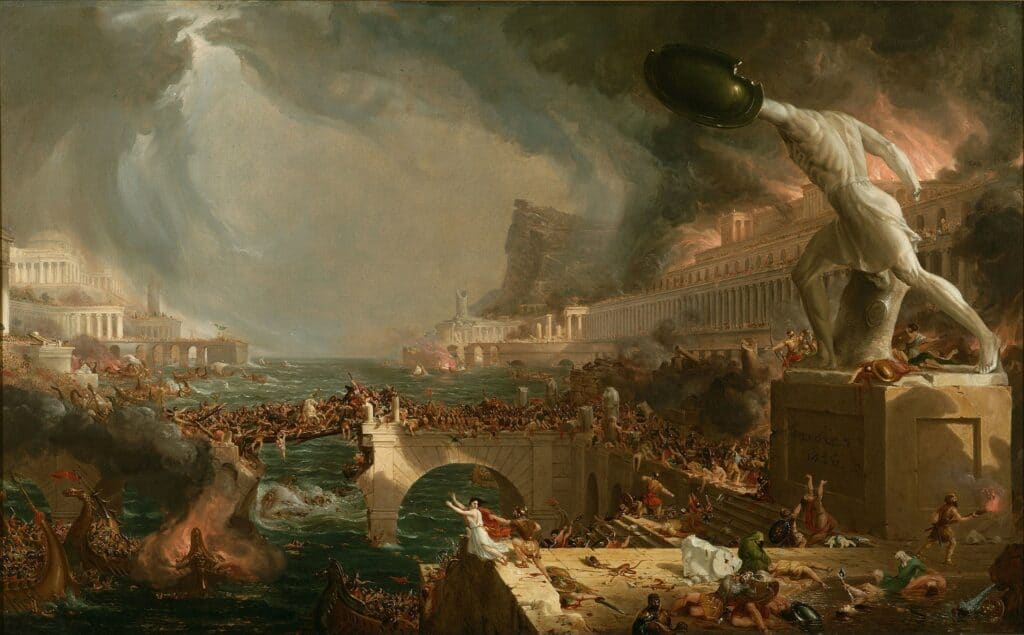
The reasons for the decline of the Western Empire are many. The rising influence and power of Germanic tribes, like the Visigoths and Ostrogoths are commonly cited. The slave shortage that came after the expansion of the empire in the second century CE damaged the Roman economy, and this, coupled with the excess and opulence of the Emperors, as well as the corruption such behavior encouraged at the highest levels of government, all played their part in the decline of the West.
But what of the East?
Más info en https://ift.tt/3yKWb6U / Tfno. & WA 607725547 Centro MENADEL (Frasco Martín) Psicología Clínica y Tradicional en Mijas. #Menadel #Psicología #Clínica #Tradicional #MijasPueblo
*No suscribimos necesariamente las opiniones o artículos aquí compartidos. No todo es lo que parece.

No hay comentarios:
Publicar un comentario