
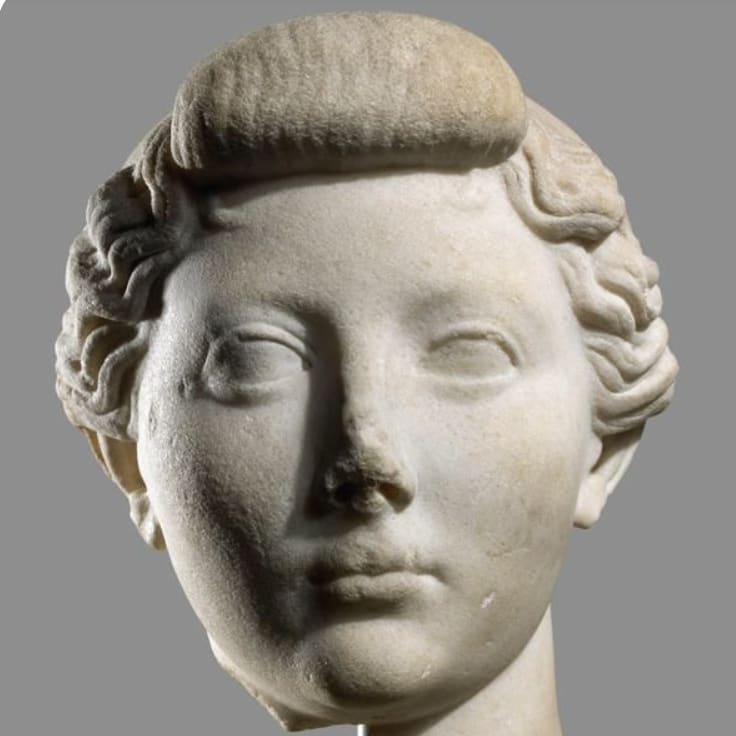
Dear Classical Wisdom Reader,
Few periods in history pulse with as much intrigue, ambition, and quiet terror as the early years of the Julio-Claudian dynasty. Violence, murder, deceit, along with emperors and queens and civil wars.
It’s sort of like Days of our Lives meets the Godfather meets the Crown. You literally can’t make this stuff up!
But you can try to make sense of it all and get immersed in the sheer intrigue of the story. As such, in Part One, we glimpsed the formidable rise of Livia Drusilla, a woman who stood at the heart of Rome’s transformation from republic to empire.
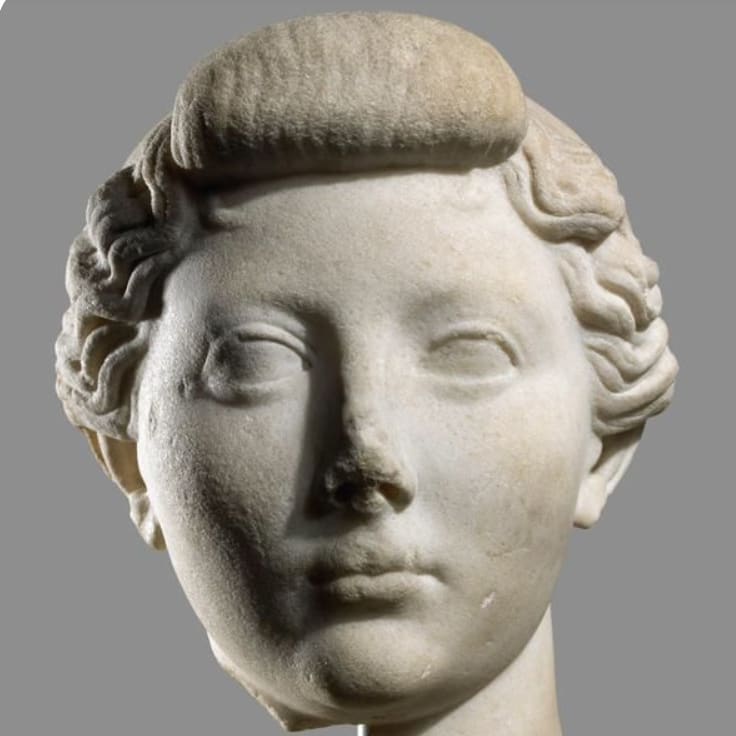
But if her ascent was remarkable, what followed was nothing short of dramatic...
Behind the marble facades and triumphal processions of Augustus’s reign lay a far more precarious reality: a relentless and tragic struggle for succession. Promising heirs regularly and prematurely gave up the ghost... struck down by illness, misfortune, or perhaps something more sinister.
And with each death, there was a sudden shift in the balance of power, fueling only more intrigue and rumors. At the center of so many of these scandals stood Livia.
Was she the devoted wife and matriarch the Augustan propaganda made her out to be, carefully safeguarding Rome’s future?
Or a calculating force, as described by later historians, quietly shaping destiny in the shadows to secure the rise of her son, Tiberius?
These are not merely ancient questions. I think we all know that in our modern world too, power, perception, and narrative remain deeply intertwined. Trying to sort fact from fiction is no simple task... And too easily does rumor become “history” when repeated often enough...
In Part Two of our Member’s in-depth article on Livia Drusilla, we enter a world of sudden deaths, political marriages, exile, and suspicion, a world where truth is elusive and reputations are forged as much by gossip as by fact.
It is a story that forces us to confront not only what happened in ancient Rome, but how history itself is written… and rewritten.
Read on and contemplate the enduring tension between power and perception, and the stories we choose to believe.
All the best,
Anya Leonard
Founder and Director
Classical Wisdom
P.S. If you haven’t yet joined our growing community, do so today to access all our resources, including our extensive E-book library, Classical Wisdom Litterae Magazines, Podcasts with Professors and in-depth articles, like today’s feature piece.
Commit to the Classics and Enjoy the Wisdom of the Past:
Livia Drusilla: “Mother of the Country” or “Evil Stepmother”? Part Two
By Mary Naples, author of Unsung Heroes: Women of the Ancient World
(If you haven’t already, you can read part one here)
Empress Livia Drusilla, the wife of Rome’s first emperor, Caesar Augustus, was the quintessential matriarch of the Julio-Claudian dynasty. Throughout her more than forty years as a steadfast and loyal empress, Livia Drusilla received unprecedented honors; but, she also has long been suspected of hastening the untimely ends of numerous successors to Augustus to secure the throne for her son, Tiberius.
Given that these claims originate from writers who were unfriendly toward her, should we question the validity of the accusations? How can we separate fact from fiction?
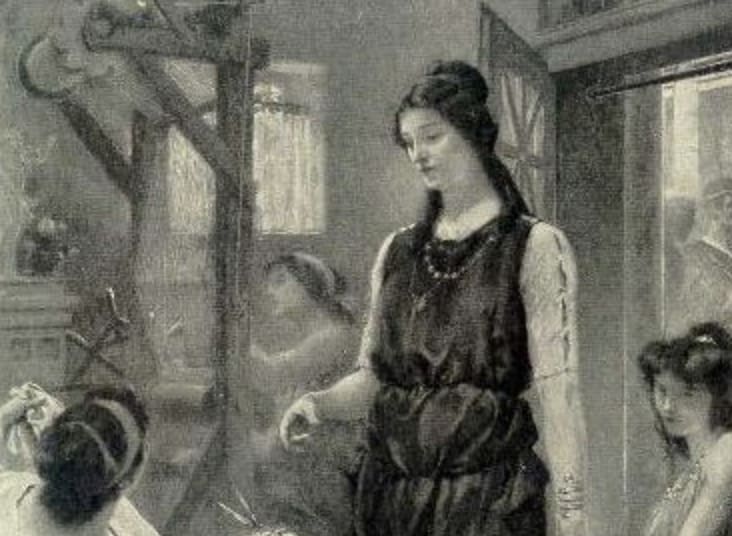
After just two years of marriage between Augustus’ daughter Julia and her first cousin, Marcellus, an epidemic swept through Rome that nearly killed Augustus. When Marcellus became ill as well, everyone expected his nineteen-year-old heir to make a full recovery.
But when the promising young Marcellus died, it set off a period of mourning and began the long succession crisis that would plague Augustus’s reign from 23 BCE to 4 CE.
Within a short year, he betrothed his freshly-widowed daughter, Julia, to his close friend and war hero, the mighty general and consul, Marcus Vipsanius Agrippa, a man twenty-five years her senior. There was one pesky detail that had to be attended to, Agrippa was already married… and Augustus himself had arranged the union years ago with Marcellus’s sister, Claudia Marcella Major.
Augustus—ever prioritizing political expediency over marital bonds—dissolved this marriage, allowing Agrippa and Julia to wed shortly thereafter.
Why did Augustus choose Agrippa to be Julia’s husband instead of the young Tiberius? The reason was because General Agrippa had been disappointed in Augustus’s selection of Marcellus as heir two years prior, something that made him a threat. The emperor’s close friend and poet Gaius Maecenas wrote about Agrippa:
“You have made him so great that he must either become your son-in-law or be slain.”
Más info en https://ift.tt/uY6r8oA / Tfno. & WA 607725547 Centro MENADEL (Frasco Martín) Psicología Clínica y Tradicional en Mijas. #Menadel #Psicología #Clínica #Tradicional #MijasPueblo
*No suscribimos necesariamente las opiniones o artículos aquí compartidos. No todo es lo que parece.

No hay comentarios:
Publicar un comentario