
Dear Classical Wisdom Reader,
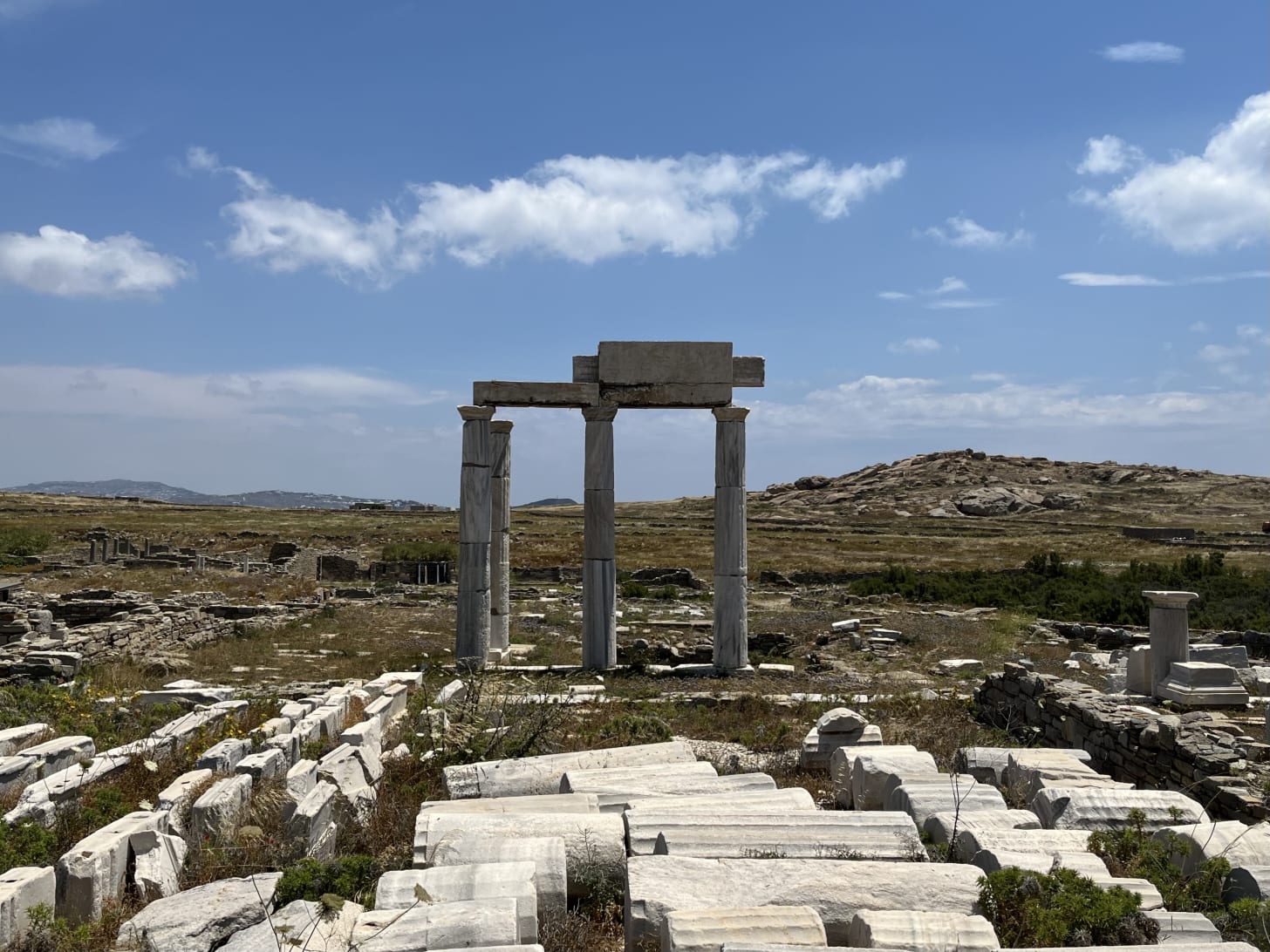
It is hard to imagine that such a stark, rocky little island could have held such importance, that it would feature so prominently in the history and mythology of ancient Greece. After all, like fish in the sea, there are countless islands scattered across the Aegean...many with lusher hilltops, more dramatic coastlines, and sweeping, cinematic vistas.
And yet this small, austere outcrop, barely capable of sustaining even the most modest population, stood at the very heart of antiquity. Delos was a linchpin of the ancient world, a keystone of the Hellenes, binding together a people otherwise dispersed across seas and shores.
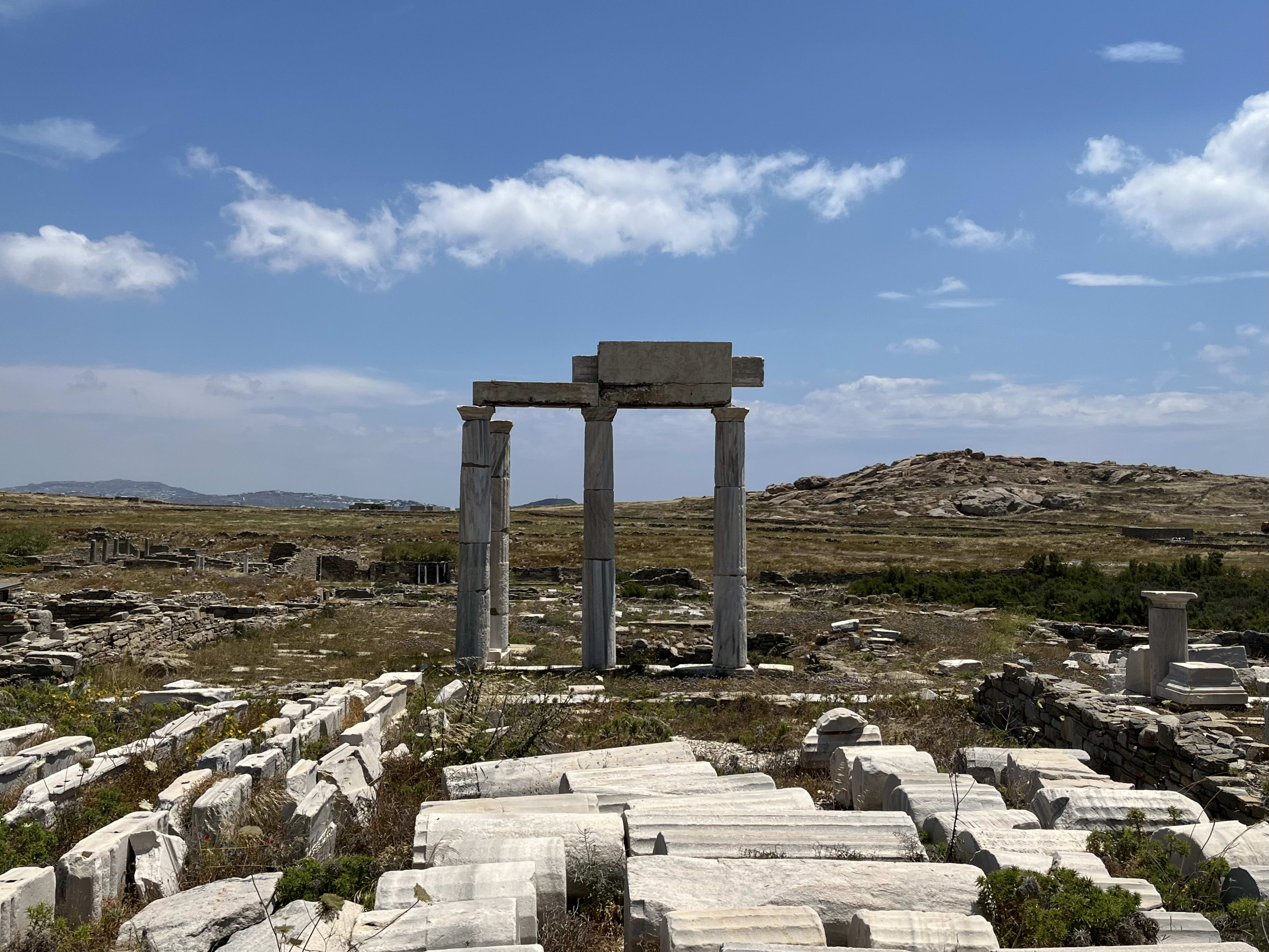
Perhaps that is its magic, something miraculously still perceptible today. Even now, when crossing the narrow channel from the much larger and livelier Mykonos, Delos rises from the water like an inspiration, an idea made of stone. It makes the ancient proverb “singing as if sailing into Delos”, a phrase that once conveyed lighthearted joy and hopeful anticipation, feel strangely alive...
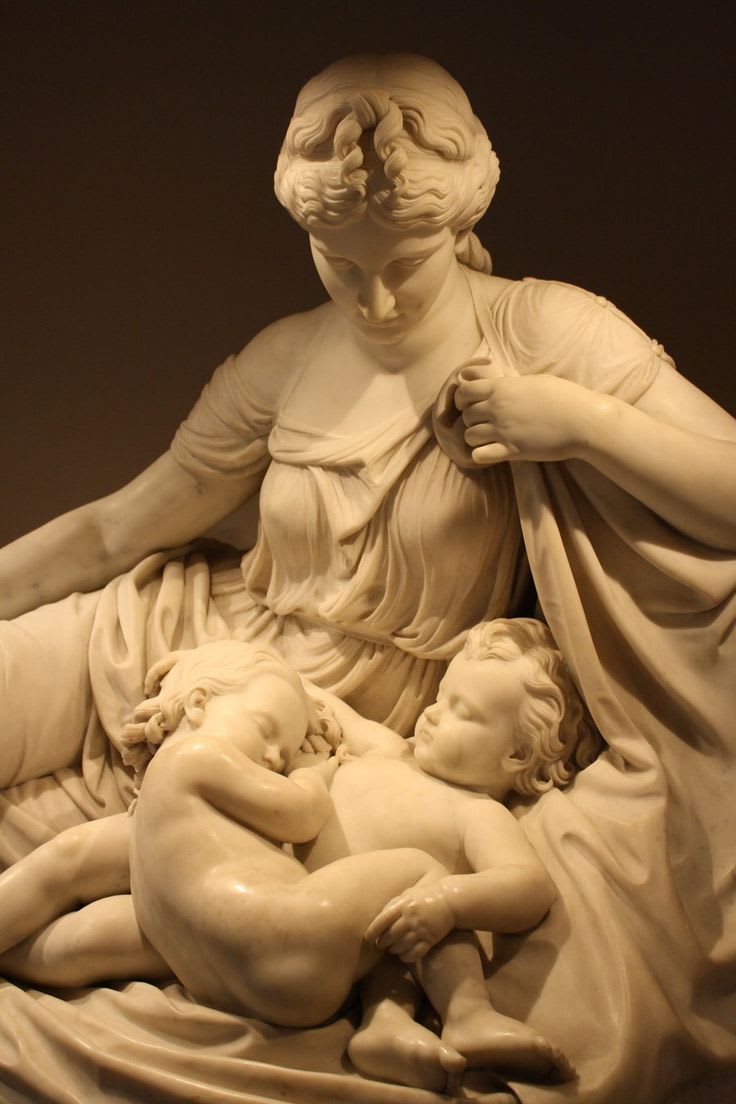
Despite its modest size (just 3.43 km² or 1.32 sq mi), Delos was revered long before Homer ever put stylus to papyrus. In his epic verse, he immortalized the island as the birthplace of the twin gods Apollo and Artemis. According to myth, their mother Leto, hounded relentlessly by the jealous Hera, found refuge only on this barren, floating island...one unanchored to the earth itself, and therefore beyond Hera’s reach.
In welcoming the divine birth, Delos was said to have been fixed in place forever, transformed from a drifting rock into sacred ground.
Such was its sanctity that centuries later, in the 6th century BC, the Athenian tyrant Pisistratus ordered all graves on the island to be exhumed and removed, an act intended to preserve Delos’s ritual purity.
This was no isolated event.
Time and again, the island was ritually “cleansed” of both the living and the dead, its population relocated elsewhere so that no birth or death would profane the sacred soil. And yet, despite these purges, Delos never faded into obscurity. Its central position in the Aegean, as well as in the collective imagination of the ancient world, ensured that its importance did not vanish, but rather evolved.
By the early 5th century BC, Delos had taken on a new role, no longer only mythical but unmistakably political.
In 478 BC, in the aftermath of the Persian Wars and the depredations of Cyrus and Darius, Delos became the meeting point of a powerful alliance: the Delian League. City-states from across the Greek world...from Rhodes and Karpathos in the south, to Byzantium and Samothrace in the north and east, and westward to the rising power of Athens...joined together in mutual defense against further Persian aggression.
Their shared treasury was housed on Delos itself, placed deliberately beside the sacred Temple of Apollo, where divine oversight and neutral ground were thought to guarantee fairness and trust. For a time, this rocky island functioned as both spiritual sanctuary and financial heart of the Greek world.
That balance did not last.
In 454 BC, the Athenian statesman Pericles ordered the treasury removed to Athens...along with all the funds it contained. The justification was security; the reality was power. Those resources soon transformed into marble and gold, financing Athens’s ambitious building program, most famously the Parthenon that still crowns the Acropolis today.
While modern visitors marvel at that magnificent monument, it is difficult to imagine that Athens’s allies were equally impressed. To them, Pericles’ act must have felt less like prudent stewardship and more like outright confiscation...and the result was predictable: trust fractured, tensions mounted, and before long the Greek world slid into the long and devastating conflict of the Peloponnesian War.
Thus Delos, once a drifting rock, then a divine birthplace, then the symbolic heart of an alliance, stands as a reminder of how myth, power, and geography can converge on even the smallest patch of land, shaping the course of history far beyond its shores.
Today, walking on Delos is to step into a rare silence. It’s an island emptied of life... yet incredibly dense with meaning. Indeed, there are few places where myth, politics, poetry, and stone align so precisely...
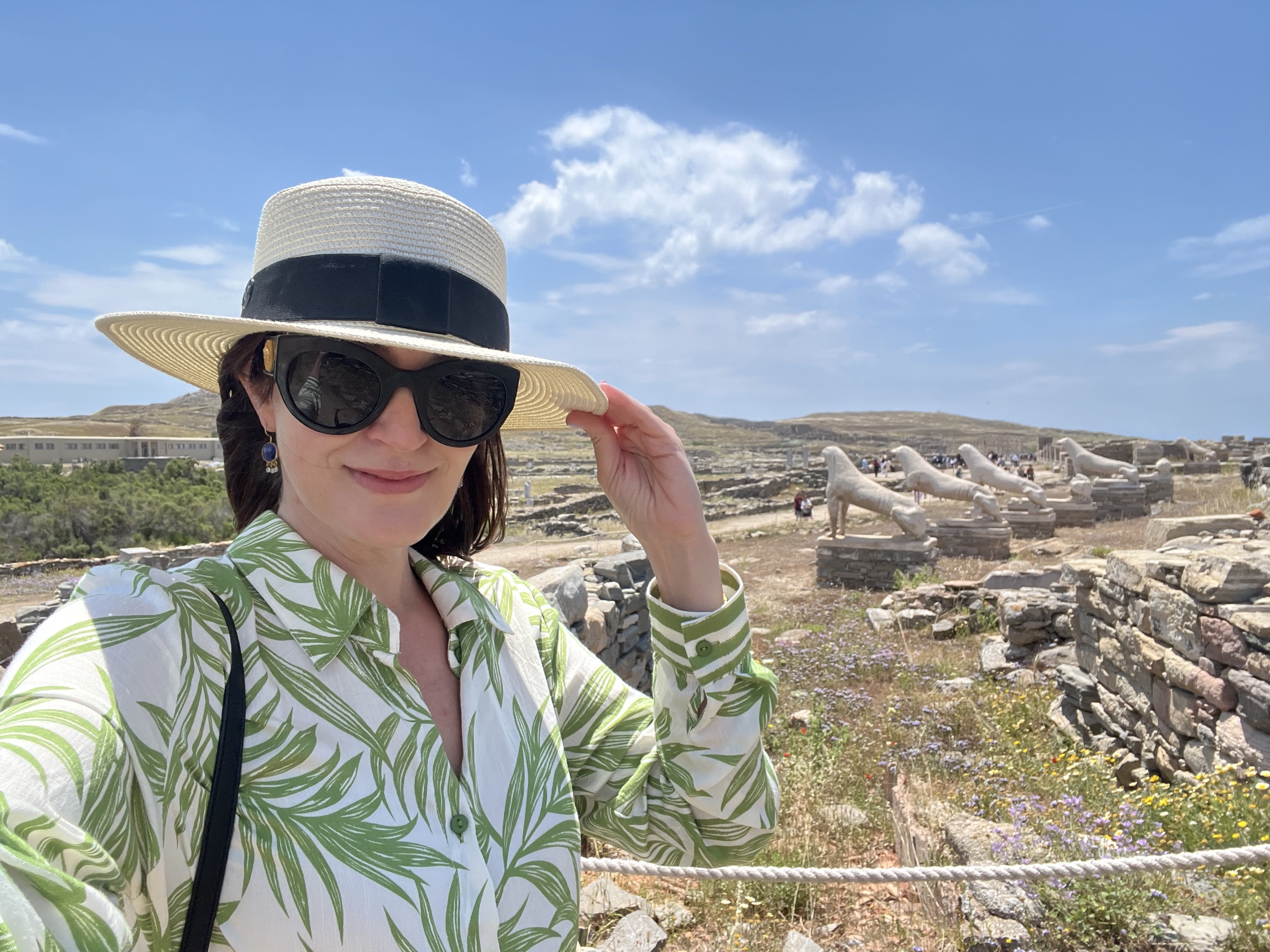
And to experience it in the company of Emily Wilson, whose translations have returned Homer’s voice to its original sharpness and humanity, is to see Delos not as a ruin, but as a living text. On our 2026 The Sea of Homer voyage, Delos is not an isolated stop but part of a carefully woven journey through the landscapes that shaped Greek thought itself. From Athens and Mycenae to Patmos, Ephesus, and Istanbul, each site illuminates another facet of the world that produced the Iliad and the Odyssey .
If Delos’ strange power entices you, then this voyage is for you. Join us July 1–13, 2026, for The Sea of Homer, and encounter Delos not as a footnote of history, but as it was always meant to be experienced: by sea, in company, and in dialogue with one of the great classical voices of our time.
Spaces are limited, so you must act fast:
I hope you can join us!
All the best,
Anya Leonard
Founder and
Más info en https://ift.tt/kIdwQof / Tfno. & WA 607725547 Centro MENADEL (Frasco Martín) Psicología Clínica y Tradicional en Mijas. #Menadel #Psicología #Clínica #Tradicional #MijasPueblo
*No suscribimos necesariamente las opiniones o artículos aquí compartidos. No todo es lo que parece.

No hay comentarios:
Publicar un comentario