
Dear Classical Wisdom Reader,
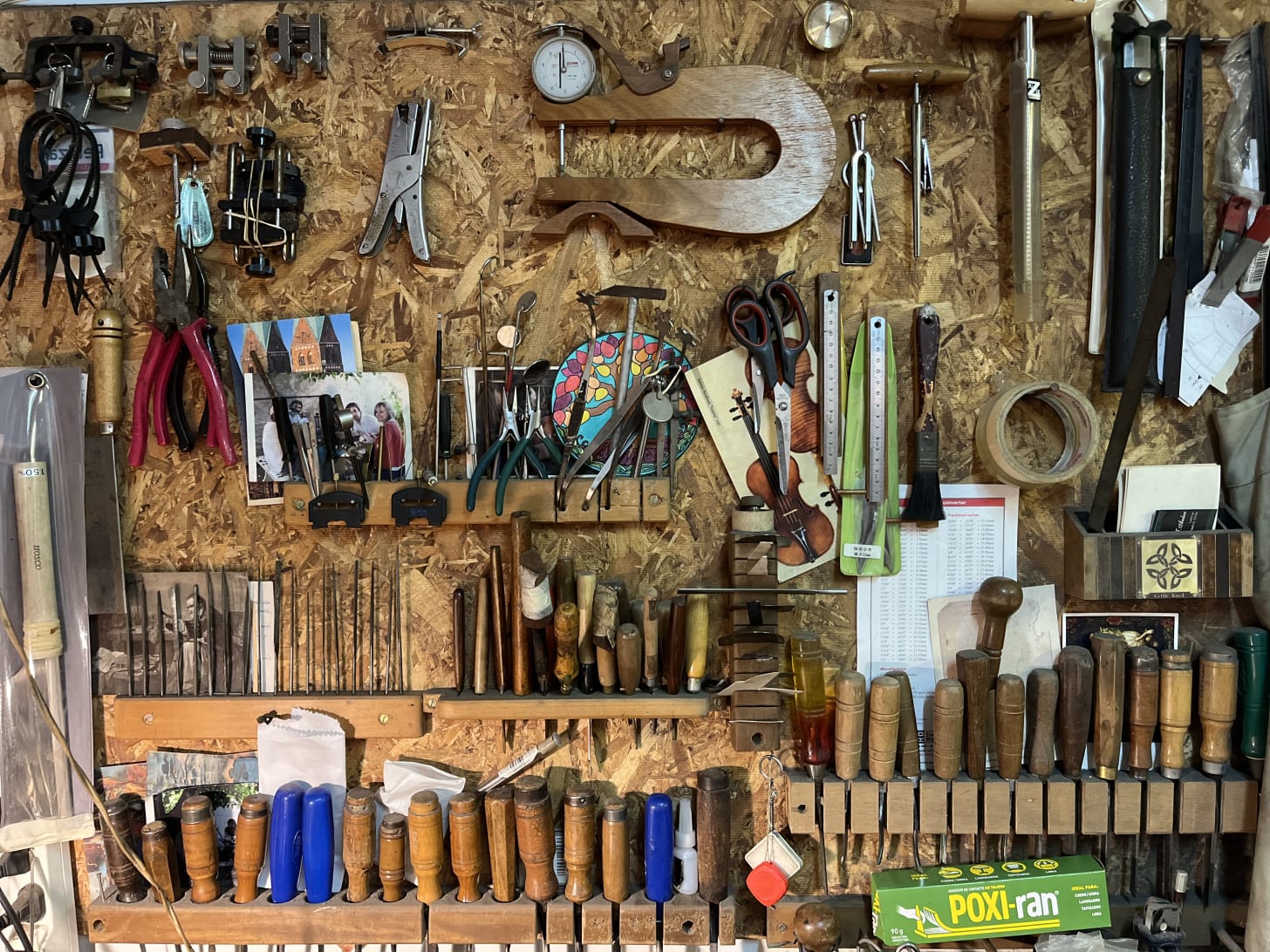
His studio was perfect. An array of worn tools clung jauntily to the walls, ordered, yet with the carefree swing of things happily used, things that lived daily in the service of purpose. The larger machines were secured in the corners, and a faint film of sawdust blanketed the workbench. A large, unruly brush lay patiently, waiting for its task. From the low ceiling hung a row of exquisite violins, of all sizes, suspended with delicate confidence.
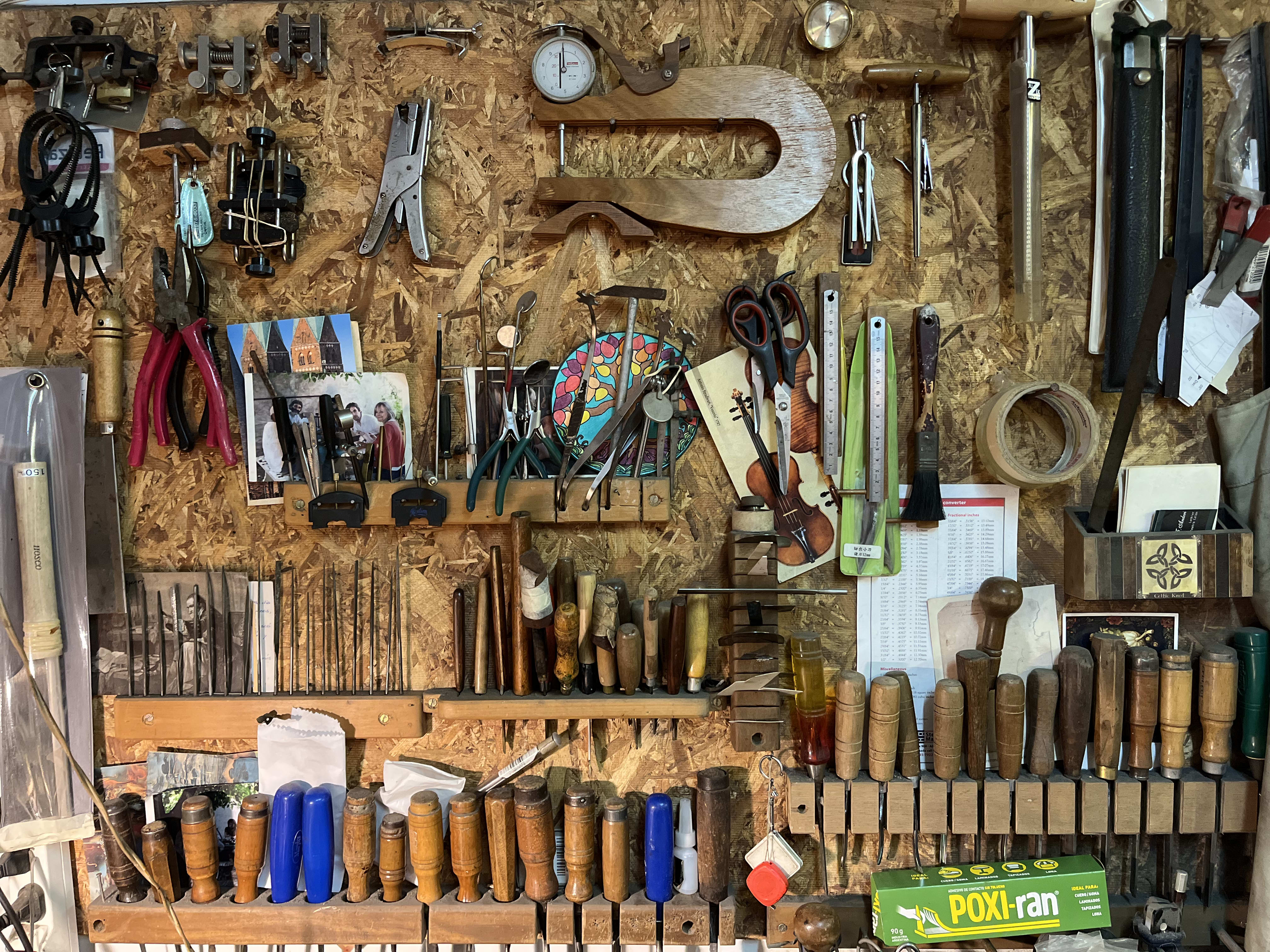
But the scene wasn’t complete until the Lutero, the master craftsman, came into his space. It was as if Geppetto himself had entered the room! His glasses perched perfectly on the tip of his nose, so they revealed rather than hid his bright eyes and his quick smile. His grey beard was the ideal length, exuding warmth and wisdom. And his knowledge of his craft, of the delicately carved instruments in his care, was remarkable.
And dear daughter certainly put him through his paces!
At that delightful age when sentences frequently begin with “one more question” (and yet there is always more than one), she had thoroughly exhausted both the patience and expertise of her violin teacher on the subject of how her instrument was made. Consequently, this excursion was arranged to visit Anderi Leonardo, one of the leading luthiers in the country. Once timidity was overcome, the inquisition began…
Why is this part cut out here?
To make space for the bow to move.
Why is there a hole -and a heart- cut out on the bridge?
To amplify the sound of the notes.
Why is there a ridge around the outside?
It is ornamental… but like all things on the violin, it also has a purpose. It helps keep the violin together.
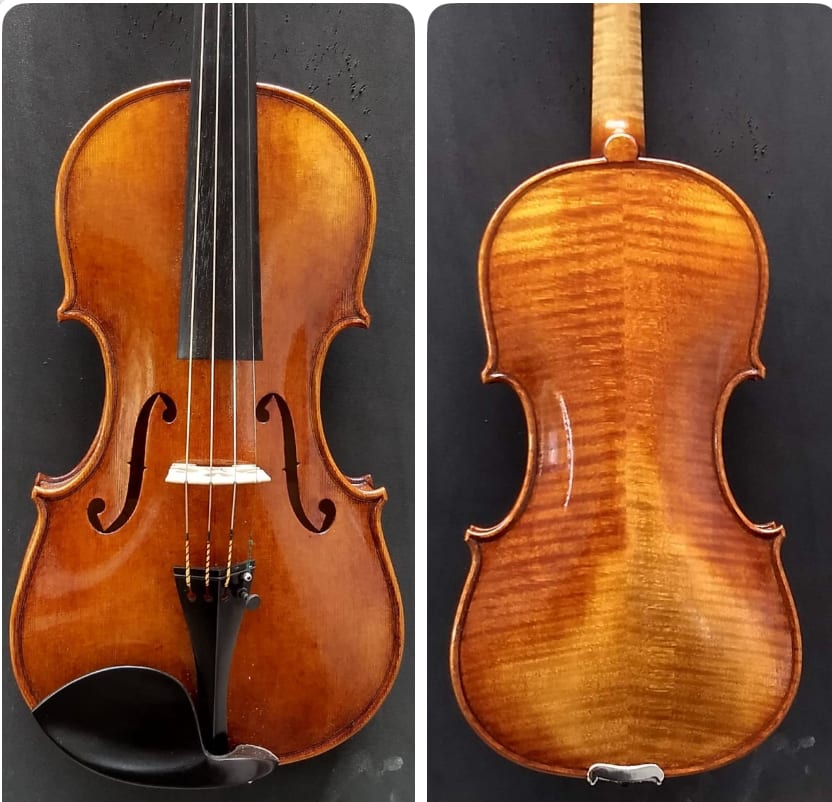
What followed was a beautiful discussion on the synthesis of form and function; of finding beauty in action; in the architecture of the instrument; in the harmony, order, and symmetry so easily discovered in the stunning violin now in his hands.
Bring beauty into YOUR life with the wisdom of the ancients. Subscribe to enjoy ideas and inspiration from the Classics:
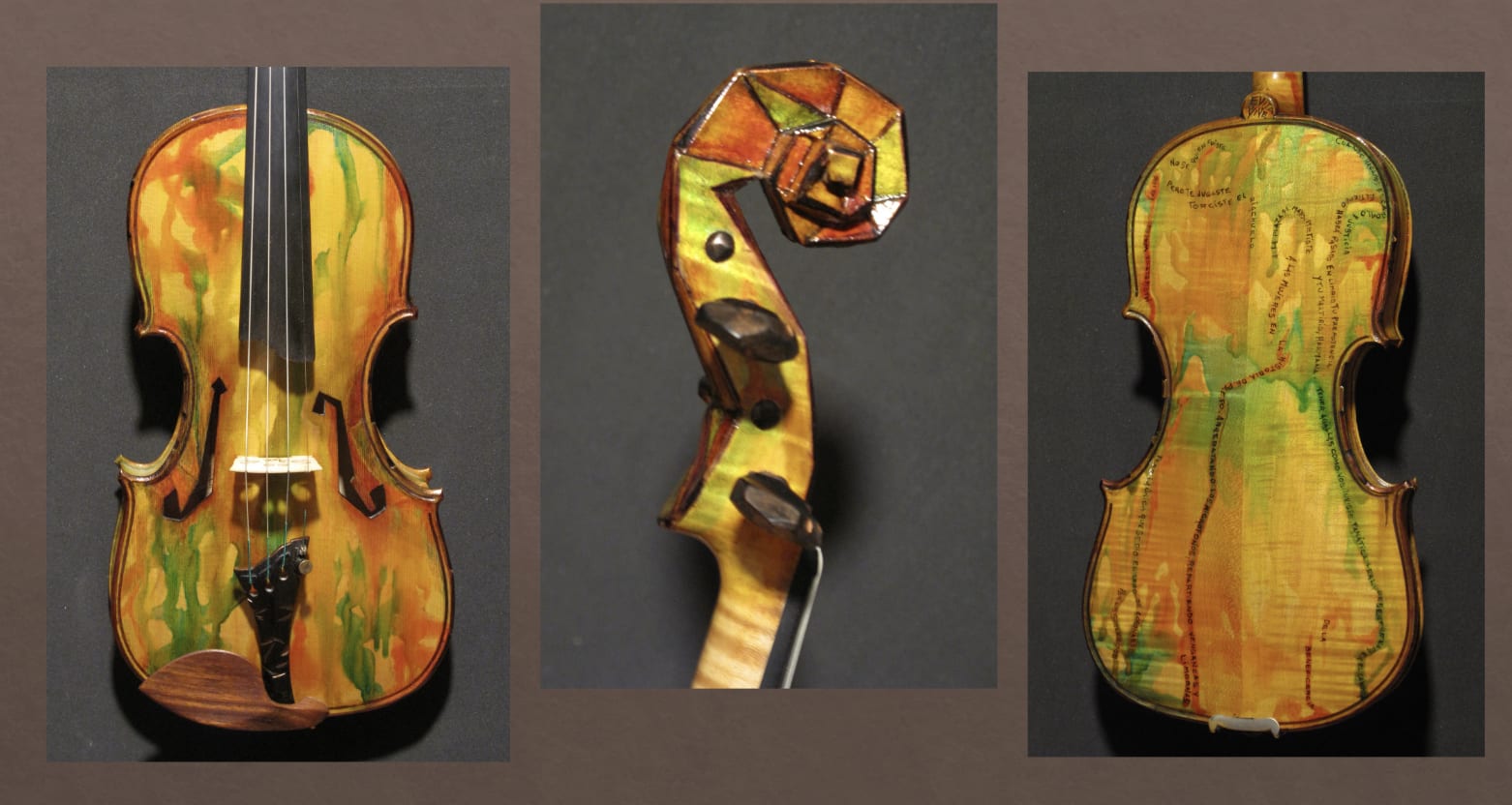
Then our dear luthier told us about another violin he had worked on... one that was quite different. In what could only be described as a radical departure from five hundred years of tradition, he created a violin without symmetry. The neck bent to the left, the lower bout jutted out, the tailpiece curved and the bridge twisted.
Did it play well? I inquired.
Yes, apparently he had worked it just so it too produced a beautiful sound. Its function remained intact, and its form was certainly something to behold…
But was it beautiful?
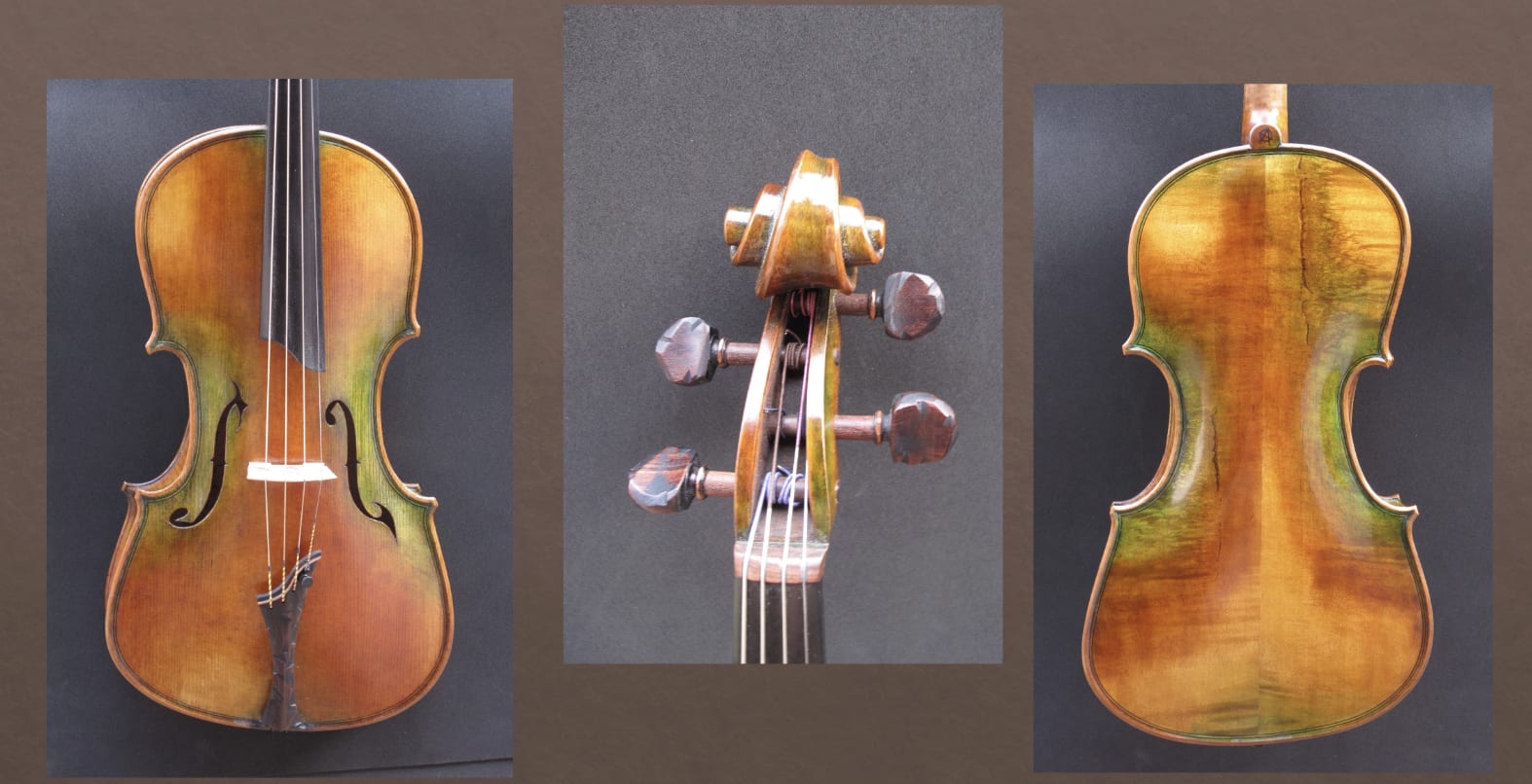
Of course the concept of beauty is an interesting one... and well worth our careful investigation.
You see, for the ancient Greeks, beauty was not a matter of personal preference or emotional reaction, but a sign of order made visible. Something was beautiful when its parts stood in the right relation. Nothing excessive, nothing lacking, everything intelligible.
This applied as much to a temple or statue as to a melody or a well-formed character. Proportion (symmetria), harmony (harmonia), and balance were not aesthetic add-ons; they were the very conditions of beauty itself. To recognize beauty was, in a sense, to recognize truth, an underlying structure - a logos - that could be grasped by the rational mind.
This conviction gave Greek beauty a moral and educational force. Beauty shaped the soul because it mirrored the order of the cosmos. Music trained character through numerical harmony; architecture disciplined civic life through clarity and measure; sculpture held up ideals of human excellence rather than individual personality. Plato himself bound beauty to the Good and the True, while Aristotle grounded it in order, definiteness, and purpose. In both cases, beauty was formative rather than expressive. It did not ask to be interpreted emotionally, but to be understood rationally.
Eastern traditions, however, approach beauty from a completely different perspective.
While Greek beauty aims at order, the ideal and the permanent, refining nature into clarity and perfected form, many Eastern aesthetics value impermanence, asymmetry, and incompletion. Rather than correcting irregularities, they make room for them. One only has to think of Kintsugi, the ancient art of fixing broken pottery with the use of gold, silver or platinum in order to highlight the fractures that are now part of the object’s history…rather than disguise it.
Likewise, concepts such as wabi-sabi see beauty in weathering, simplicity, and transience, while Chinese and Zen traditions emphasize suggestion over definition and participation over assertion. Eastern beauty invites stillness and attunement, to see splendour in the organic uneven lines found in nature and in our own flawed abilities.
Clean out the noise of modern life and attune yourself to the wisdom of the ancients:
Today beauty has departed from both the Western and Eastern traditions. Indeed, it is usually treated as subjective, rooted in personal response, cultural context, or emotional intensity. Originality, disruption, and self-expression are often prized over proportion or balance, and art is not required to be morally harmonizing, or indeed even pleasant! A trip to most modern art museums will easily validate these claims...
So where does this leave us, dear reader, on the question of beauty? It is a worthy subject after all...one to which Plato, Pythagoras, Aristotle, Xenophon, and Plotinus devoted no small measure of thought and care. And yet it remains, clearly, a question without a final or tidy answer.
So I would like to ask you what you think...
What is beauty?
Is it harmony and order?
Is it emotive and subjective?
Or is it impermanent and incomplete?
And once we lean toward an answer, how does that understanding shape our lives? Our buildings, our clothing, our gardens, and our living rooms?
Perhaps more importantly...how does it shape us?
Comment below to discuss!
All the best,
Anya Leonard
Founder and Director
Classical Wisdom
Más info en https://ift.tt/2n5RL4v / Tfno. & WA 607725547 Centro MENADEL (Frasco Martín) Psicología Clínica y Tradicional en Mijas. #Menadel #Psicología #Clínica #Tradicional #MijasPueblo
*No suscribimos necesariamente las opiniones o artículos aquí compartidos. No todo es lo que parece.

No hay comentarios:
Publicar un comentario