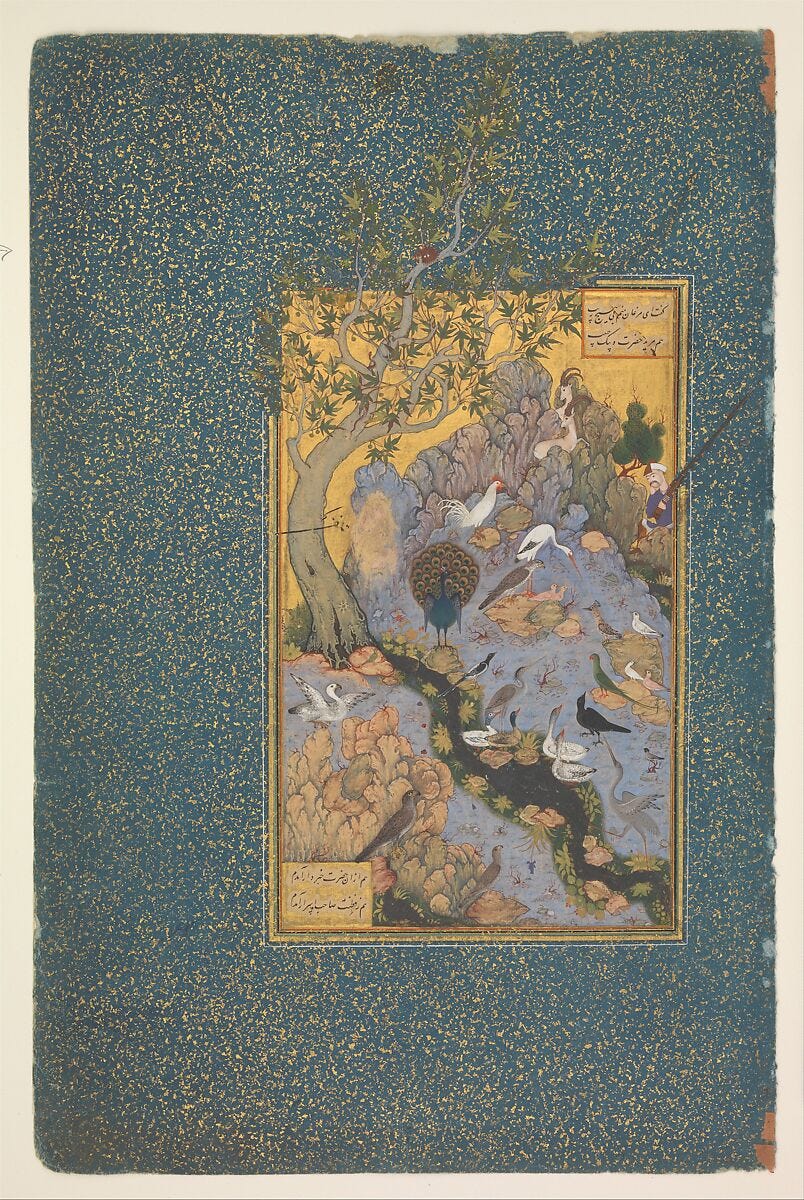
<h1>Hand to Hand</h1><p><em>Spiritual Relief Journal · No. 4</em></p><div><figure><a href="https://substackcdn.com/image/fetch/%24s_!aoy4!,f_auto,q_auto:good,fl_progressive:steep/https%3A%2F%2Fsubstack-post-media.s3.amazonaws.com%2Fpublic%2Fimages%2Fa1b00c66-e64a-4f42-b6f0-01dbbdd5be3f_804x1200.jpeg"></a><div><a href="https://substackcdn.com/image/fetch/%24s_!aoy4!,f_auto,q_auto:good,fl_progressive:steep/https%3A%2F%2Fsubstack-post-media.s3.amazonaws.com%2Fpublic%2Fimages%2Fa1b00c66-e64a-4f42-b6f0-01dbbdd5be3f_804x1200.jpeg"></a><source type="image/webp"><a href="https://substackcdn.com/image/fetch/%24s_!aoy4!,f_auto,q_auto:good,fl_progressive:steep/https%3A%2F%2Fsubstack-post-media.s3.amazonaws.com%2Fpublic%2Fimages%2Fa1b00c66-e64a-4f42-b6f0-01dbbdd5be3f_804x1200.jpeg"><img src="https://substackcdn.com/image/fetch/$s_!aoy4!,w_1456,c_limit,f_auto,q_auto:good,fl_progressive:steep/https%3A%2F%2Fsubstack-post-media.s3.amazonaws.com%2Fpublic%2Fimages%2Fa1b00c66-e64a-4f42-b6f0-01dbbdd5be3f_804x1200.jpeg" width="1456" height="2173" alt=""></a></source><a href="https://substackcdn.com/image/fetch/%24s_!aoy4!,f_auto,q_auto:good,fl_progressive:steep/https%3A%2F%2Fsubstack-post-media.s3.amazonaws.com%2Fpublic%2Fimages%2Fa1b00c66-e64a-4f42-b6f0-01dbbdd5be3f_804x1200.jpeg"></a><div><a href="https://substackcdn.com/image/fetch/%24s_!aoy4!,f_auto,q_auto:good,fl_progressive:steep/https%3A%2F%2Fsubstack-post-media.s3.amazonaws.com%2Fpublic%2Fimages%2Fa1b00c66-e64a-4f42-b6f0-01dbbdd5be3f_804x1200.jpeg"></a><div><a href="https://substackcdn.com/image/fetch/%24s_!aoy4!,f_auto,q_auto:good,fl_progressive:steep/https%3A%2F%2Fsubstack-post-media.s3.amazonaws.com%2Fpublic%2Fimages%2Fa1b00c66-e64a-4f42-b6f0-01dbbdd5be3f_804x1200.jpeg"></a></div><a href="https://substackcdn.com/image/fetch/%24s_!aoy4!,f_auto,q_auto:good,fl_progressive:steep/https%3A%2F%2Fsubstack-post-media.s3.amazonaws.com%2Fpublic%2Fimages%2Fa1b00c66-e64a-4f42-b6f0-01dbbdd5be3f_804x1200.jpeg"></a></div><a href="https://substackcdn.com/image/fetch/%24s_!aoy4!,f_auto,q_auto:good,fl_progressive:steep/https%3A%2F%2Fsubstack-post-media.s3.amazonaws.com%2Fpublic%2Fimages%2Fa1b00c66-e64a-4f42-b6f0-01dbbdd5be3f_804x1200.jpeg"></a></div><a href="https://substackcdn.com/image/fetch/%24s_!aoy4!,f_auto,q_auto:good,fl_progressive:steep/https%3A%2F%2Fsubstack-post-media.s3.amazonaws.com%2Fpublic%2Fimages%2Fa1b00c66-e64a-4f42-b6f0-01dbbdd5be3f_804x1200.jpeg"></a></figure></div><p><em>The Concourse of the Birds. Folio 11r of a Mantiq al-Tayr copied at Herat in 1487. Painting by Habiballah of Sava, Isfahan, about 1600. The Metropolitan Museum of Art, New York.</em></p><blockquote><p>We made you long, and you did not long. We called you, and you did not set out. We signalled to you, and you did not understand.</p></blockquote><p><em>The father’s letter, in Suhrawardi’s Tale of the Western Exile</em></p><p><em>Following Friday’s film, Alone in the Crowd.</em></p><div><div><iframe allowfullscreen="allowfullscreen" src="https://www.youtube-nocookie.com/embed/G-R_KbQSbLk?rel=0&autoplay=0&showinfo=0&enablejsapi=0" frameborder="0" width="728" height="409"></iframe></div></div><div><hr></div><p><strong>In this issue</strong></p><p><strong>Eight Rules for a Marketplace.</strong> What the film left out.</p><p><strong>The Man in the Well.</strong> A twelfth-century voyage in the Qur’an’s own words, and the judge who wrote from a cell.</p><p><strong>The Book That Waited.</strong> Finished at Herat in 1487. Completed at Isfahan more than a hundred years later.</p><p><strong>Two Portraits from Bijapur.</strong> A sultan, a man in sheepskin, and an emperor’s handwriting.</p><p><strong>A Lithograph, a Steamer, a Sword.</strong> Three Frenchmen and a town called Nowhere.</p><p><strong>Marginalia.</strong></p><p><a href="https://spiritualrelief.substack.com/p/after-dark"><span>AFTER DARK</span></a></p><div><hr></div><h2>Eight Rules for a Marketplace</h2><p>Abd al-Khaliq Ghijduwani died in 1179. He left eight rules. The film gave you the fourth.</p><ol><li><p><em>Hush dar dam.</em> Awareness in the breath.</p></li><li><p><em>Nazar bar qadam.</em> Eyes on the step.</p></li><li><p><em>Safar dar watan.</em> Travel in the homeland.</p></li><li><p><em>Khalwat dar anjuman.</em> Solitude in the crowd.</p></li><li><p><em>Yad kard.</em> Remembrance.</p></li><li><p><em>Baz gasht.</em> Return.</p></li><li><p><em>Nigah dasht.</em> Watchfulness.</p></li><li><p><em>Yad dasht.</em> Recollection.</p></li></ol><p>The Persian name for them is <em>kalimat-i qudsiyya</em>, the sacred words. Sources differ on the order of the fifth to the eighth. All of them keep solitude in the crowd fourth.</p><p>Baha al-Din Naqshband (1318–1389) added three more, each a halt: <em>wuquf-i zamani</em>, of time; <em>wuquf-i ‘adadi</em>, of number; <em>wuquf-i qalbi</em>, of the heart.</p><p>In 1460 a Naqshbandi shaykh, Khwaja Ahrar, came to Herat to ask Sultan Abu Sa’id to abolish the <em>tamgha</em>, a tax on trade that the shari’a did not authorize.</p><div><hr></div><h2>The Man in the Well</h2><h3>Shihab al-Din Yahya al-Suhrawardi (1154–1191)</h3><p>In 1191 a man of about thirty-six died in Aleppo on Saladin’s order. The jurists of the city had demanded it. The governor, Saladin’s son al-Malik al-Zahir, had held a disputation between Suhrawardi and the jurists, and Suhrawardi prevailed. Among the charges was a sentence about God’s power: that He is able to create a prophet if He wishes. The jurists ruled that his books were not books of Islam. The tradition calls him <em>al-Maqtul</em>, the Killed, to tell him from the other Suhrawardis.</p><p>In the <em>Hikmat al-Ishraq</em> he wrote:</p><blockquote><p>There was among the Persians a people who guided by the truth and by it did justice, wise and virtuous men, unlike the Magians. We have revived their noble wisdom of light, to which the taste of Plato and the sages before him bears witness, in our book called <em>The Wisdom of Illumination</em>.</p></blockquote><p><em>Suhrawardi, Hikmat al-Ishraq, from the Arabic</em></p><p><em>Qissat al-Ghurba al-Gharbiyya</em> is the Tale of the Western Exile. <em>Ghurba</em> is exile. <em>Gharbiyya</em> is western. The two words share a root. Suhrawardi says he wrote it after reading Avicenna’s <em>Hayy ibn Yaqzan</em>, “Alive, Son of Awake,” which he found full of wonders and silent about the highest stage until the end of the book. The italics below are the Qur’an’s own words.</p><div><figure><a href="https://substackcdn.com/image/fetch/%24s_!qbz6!,f_auto,q_auto:good,fl_progressive:steep/https%3A%2F%2Fsubstack-post-media.s3.amazonaws.com%2Fpublic%2Fimages%2Febfc7915-77ce-4aec-9c16-4c796fbe20a5_600x443.jpeg"></a><div><a href="https://substackcdn.com/image/fetch/%24s_!qbz6!,f_auto,q_auto:good,fl_progressive:steep/https%3A%2F%2Fsubstack-post-media.s3.amazonaws.com%2Fpublic%2Fimages%2Febfc7915-77ce-4aec-9c16-4c796fbe20a5_600x443.jpeg"></a><source type="image/webp"><a href="https://substackcdn.com/image/fetch/%24s_!qbz6!,f_auto,q_auto:good,fl_progressive:steep/https%3A%2F%2Fsubstack-post-media.s3.amazonaws.com%2Fpublic%2Fimages%2Febfc7915-77ce-4aec-9c16-4c796fbe20a5_600x443.jpeg"><img src="https://substackcdn.com/image/fetch/$s_!qbz6!,w_1456,c_limit,f_auto,q_auto:good,fl_progressive:steep/https%3A%2F%2Fsubstack-post-media.s3.amazonaws.com%2Fpublic%2Fimages%2Febfc7915-77ce-4aec-9c16-4c796fbe20a5_600x443.jpeg" width="1456" height="1075" alt=""></a></source><a href="https://substackcdn.com/image/fetch/%24s_!qbz6!,f_auto,q_auto:good,fl_progressive:steep/https%3A%2F%2Fsubstack-post-media.s3.amazonaws.com%2Fpublic%2Fimages%2Febfc7915-77ce-4aec-9c16-4c796fbe20a5_600x443.jpeg"></a><div><a href="https://substackcdn.com/image/fetch/%24s_!qbz6!,f_auto,q_auto:good,fl_progressive:steep/https%3A%2F%2Fsubstack-post-media.s3.amazonaws.com%2Fpublic%2Fimages%2Febfc7915-77ce-4aec-9c16-4c796fbe20a5_600x443.jpeg"></a><div><a href="https://substackcdn.com/image/fetch/%24s_!qbz6!,f_auto,q_auto:good,fl_progressive:steep/https%3A%2F%2Fsubstack-post-media.s3.amazonaws.com%2Fpublic%2Fimages%2Febfc7915-77ce-4aec-9c16-4c796fbe20a5_600x443.jpeg"></a></div><a href="https://substackcdn.com/image/fetch/%24s_!qbz6!,f_auto,q_auto:good,fl_progressive:steep/https%3A%2F%2Fsubstack-post-media.s3.amazonaws.com%2Fpublic%2Fimages%2Febfc7915-77ce-4aec-9c16-4c796fbe20a5_600x443.jpeg"></a></div><a href="https://substackcdn.com/image/fetch/%24s_!qbz6!,f_auto,q_auto:good,fl_progressive:steep/https%3A%2F%2Fsubstack-post-media.s3.amazonaws.com%2Fpublic%2Fimages%2Febfc7915-77ce-4aec-9c16-4c796fbe20a5_600x443.jpeg"></a></div><a href="https://substackcdn.com/image/fetch/%24s_!qbz6!,f_auto,q_auto:good,fl_progressive:steep/https%3A%2F%2Fsubstack-post-media.s3.amazonaws.com%2Fpublic%2Fimages%2Febfc7915-77ce-4aec-9c16-4c796fbe20a5_600x443.jpeg"></a></figure></div><p><em>Qayrawan seen from the minaret of the Great Mosque. Photochrome, 1899</em></p><blockquote><p>When I travelled with my brother ‘Asim from the lands beyond the river to the country of the West, to hunt a flock of the birds of the shore of the green sea, we fell suddenly into <em>the town whose people are wrongdoers</em>, I mean the city of Qayrawan. When its people sensed that we had come upon them unawares, and that we were sons of the shaykh known as al-Hadi ibn al-Khayr al-Yamani, they surrounded us, took us bound in chains and fetters of iron, and imprisoned us at the bottom of a well of endless depth. Over the abandoned well, which our presence had made inhabited, stood a lofty palace with many towers. We were told: There is no blame on you if you climb up to the palace, stripped bare, when evening comes. But at dawn you must drop back into the depths of the pit.</p><p>At the bottom of the well were <em>darknesses one above another; when we put out our hands we could scarcely see them</em>. Only at the hour of evening did we climb the palace and look out over the open air through a window. Sometimes doves came to us from the thickets of Yemen with news of the homeland. Sometimes a Yemeni lightning visited us, flashing from the right side, the east, and told us of what came by night in Najd, and the wind of the arak trees added longing to our longing. Then we yearned and pined for home.</p><p>While we were climbing up by night and going down again, we saw the hoopoe come in through the window on a moonlit night, greeting us, and in his beak was a letter sent <em>from the right bank of the valley, in the blessed spot, from the tree</em>. He said to us: I have found the way of your release, and I have come to you <em>from Sheba with sure news</em>. It is set out in your father’s letter.</p><p>When we read the letter, it said that it was from al-Hadi, your father, and that: In the name of God, the Compassionate, the Merciful. We made you long, and you did not long. We called you, and you did not set out. We signalled to you, and you did not understand. And in the letter he signalled to me: You, so-and-so, if you wish to be delivered along with your brother, do not slacken, the two of you, in your resolve to travel. Hold fast to our rope, which is the substance of the holy sphere that rules over the regions of the eclipse.</p><p>When you come to <em>the valley of the ants</em>, shake out your skirt and say: Praise be to God, who gave me life after He had made me die, <em>and to Him is the rising</em>. Destroy your people, and kill your wife: <em>she was of those who stayed behind</em>. Go where you are commanded, for <em>the last of these will be cut off at morning</em>. And board the ship, and say: <em>In the name of God be its course and its mooring</em>.</p><p>He set out in the letter all that would happen on the road. The hoopoe went ahead, and the sun stood over our heads as we reached the edge of the shadow. We boarded the ship, and it ran with us <em>through waves like mountains</em>, and we were making for the ascent of Mount Sinai, to visit our father’s hermitage.</p><p><em>The waves came between</em> me and my son, <em>and he was among the drowned</em>. I knew that my people’s <em>appointed time is the morning; is not the morning near?</em> I knew that the town that <em>used to do foul deeds</em> would be turned <em>upside down</em>, and rained on with <em>stones of baked clay, layer on layer</em>.</p><p>When we came to a place where the waves crash and the waters roll, I took the nurse who had suckled me and threw her into the sea. We were travelling in a vessel <em>of planks and nails</em>. We holed the ship, for fear of a king behind us <em>who seizes every ship by force</em>. The <em>laden ship</em> carried us past the island of Gog and Magog, toward the left side of al-Judi. I had jinn with me who worked before me, and the spring of molten brass was mine to command. I said to the jinn: <em>Blow</em>, until it became like fire. I built a barrier, until I was cut off from them.</p><p><em>My Lord’s promise came true</em>. On the road I saw the skulls of ‘Ad and Thamud, and I went round those lands, <em>fallen in upon their roofs</em>. I took the two weighty races, men and jinn, together with the spheres, and put them with the jinn into a flask I had made myself, round, with lines on it like circles. I cut off the rivers from the middle of the sky. When the water stopped reaching the millstone, the building fell, and the air escaped to the air. I threw the sphere of spheres onto the heavens until it ground the sun and the moon and the stars to powder. I was delivered from fourteen coffins and ten tombs, out of which the shadow of God rises, until He drew me to the Holy <em>with an easy drawing</em>, after He had <em>made the sun a guide to it</em>. I found the path of God, and understood: <em>This is My path, straight</em>. My sister and my household had been overtaken by night by <em>a covering of God’s punishment</em>. She spent <em>part of the night in darkness</em>, with a fever and a nightmare that was turning into a violent fit. I saw a lamp with oil in it, and a light poured out of it and spread through the corners of the house. Its niche caught fire, and its inhabitants were set alight by the sun’s light rising on them. I put the lamp in the mouth of a dragon that lives in the tower of a waterwheel, with the Red Sea beneath it, and above it stars whose rays fall where no one knows but their Maker <em>and those firm in knowledge</em>.</p></blockquote><div><figure><a href="https://substackcdn.com/image/fetch/%24s_!Rhsy!,f_auto,q_auto:good,fl_progressive:steep/https%3A%2F%2Fsubstack-post-media.s3.amazonaws.com%2Fpublic%2Fimages%2F5ec7f5df-49de-4ecd-acab-6efdc0a6f170_864x1178.jpeg"></a><div><a href="https://substackcdn.com/image/fetch/%24s_!Rhsy!,f_auto,q_auto:good,fl_progressive:steep/https%3A%2F%2Fsubstack-post-media.s3.amazonaws.com%2Fpublic%2Fimages%2F5ec7f5df-49de-4ecd-acab-6efdc0a6f170_864x1178.jpeg"></a><source type="image/webp"><a href="https://substackcdn.com/image/fetch/%24s_!Rhsy!,f_auto,q_auto:good,fl_progressive:steep/https%3A%2F%2Fsubstack-post-media.s3.amazonaws.com%2Fpublic%2Fimages%2F5ec7f5df-49de-4ecd-acab-6efdc0a6f170_864x1178.jpeg"><img src="https://substackcdn.com/image/fetch/$s_!Rhsy!,w_1456,c_limit,f_auto,q_auto:good,fl_progressive:steep/https%3A%2F%2Fsubstack-post-media.s3.amazonaws.com%2Fpublic%2Fimages%2F5ec7f5df-49de-4ecd-acab-6efdc0a6f170_864x1178.jpeg" width="1456" height="1985" alt=""></a></source><a href="https://substackcdn.com/image/fetch/%24s_!Rhsy!,f_auto,q_auto:good,fl_progressive:steep/https%3A%2F%2Fsubstack-post-media.s3.amazonaws.com%2Fpublic%2Fimages%2F5ec7f5df-49de-4ecd-acab-6efdc0a6f170_864x1178.jpeg"></a><div><a href="https://substackcdn.com/image/fetch/%24s_!Rhsy!,f_auto,q_auto:good,fl_progressive:steep/https%3A%2F%2Fsubstack-post-media.s3.amazonaws.com%2Fpublic%2Fimages%2F5ec7f5df-49de-4ecd-acab-6efdc0a6f170_864x1178.jpeg"></a><div><a href="https://substackcdn.com/image/fetch/%24s_!Rhsy!,f_auto,q_auto:good,fl_progressive:steep/https%3A%2F%2Fsubstack-post-media.s3.amazonaws.com%2Fpublic%2Fimages%2F5ec7f5df-49de-4ecd-acab-6efdc0a6f170_864x1178.jpeg"></a></div><a href="https://substackcdn.com/image/fetch/%24s_!Rhsy!,f_auto,q_auto:good,fl_progressive:steep/https%3A%2F%2Fsubstack-post-media.s3.amazonaws.com%2Fpublic%2Fimages%2F5ec7f5df-49de-4ecd-acab-6efdc0a6f170_864x1178.jpeg"></a></div><a href="https://substackcdn.com/image/fetch/%24s_!Rhsy!,f_auto,q_auto:good,fl_progressive:steep/https%3A%2F%2Fsubstack-post-media.s3.amazonaws.com%2Fpublic%2Fimages%2F5ec7f5df-49de-4ecd-acab-6efdc0a6f170_864x1178.jpeg"></a></div><a href="https://substackcdn.com/image/fetch/%24s_!Rhsy!,f_auto,q_auto:good,fl_progressive:steep/https%3A%2F%2Fsubstack-post-media.s3.amazonaws.com%2Fpublic%2Fimages%2F5ec7f5df-49de-4ecd-acab-6efdc0a6f170_864x1178.jpeg"></a></figure></div><p><em>From al-Sufi’s Book of the Images of the Fixed Stars. The Metropolitan Museum of Art</em></p><blockquote><p>I saw the Lion and the Bull disappear, and the Archer and the Crab folded away in the turning of the spheres, and the Scales stayed level when the Yemeni star rose from behind thin, shining clouds, woven by the spiders in the corners of the elemental world, in the world of generation and corruption.</p><p>We had sheep with us, and we left them in the desert. Earthquakes destroyed them, and a fire of lightning fell on them. When the distance was crossed and the road ran out, <em>and the oven boiled over</em> from the conical shape, I saw the higher bodies. I joined them and heard their melodies and their modes, and learned to sing them, and their voices struck my hearing like a chain dragged over a deaf rock. My strings almost snapped and my joints almost came apart from the delight of what I was given. This went on happening to me until the clouds scattered and the caul tore. I came out of the caves and the grottoes and passed through the chambers, heading for the Spring of Life. I saw a great rock on the summit of a mountain like a great peak. I asked the fish gathered in the Spring of Life, taking their pleasure in the shade of the high mountain: This peak, what is it? And this great rock, what is it?</p><p>One of the fish <em>took its way into the sea, burrowing</em>. It said: <em>That is what you were seeking</em>. This mountain is Mount Sinai, and the rock is your father’s hermitage. I said: And these fish, who are they? It said: Your likenesses. You are sons of one father. What happened to you happened to them. They are your brothers.</p><p>When I heard it and knew it was true, I embraced them. I was glad of them and they of me. I climbed the mountain and saw our father, an old man from whose radiant light the heavens and the earth nearly split. I stood stunned and bewildered before him. I walked toward him. He greeted me. I bowed down before him and was nearly effaced in his shining light.</p><p>I wept for a time and complained to him of the prison of Qayrawan. He said to me: Well done. You have escaped. But you must go back to the Western prison, though you have thrown off the fetter completely. When I heard his words my mind flew away, and I groaned and cried out like a man at the point of death, and I pleaded with him.</p><p>He said: Going back is necessary now. But I bring you good news of two things. The first is that when you return to the prison, you can come to us and climb up to our garden easily, whenever you wish. The second is that in the end you will be delivered to our side, leaving the lands of the West behind entirely.</p><p>I was glad at what he said. Then he said to me: Know that this is Mount Sinai. Above it is Mount Sinin, the dwelling of my father, your grandfather. I am to him only as you are to me. We have other ancestors, until the line ends at the King, the greatest ancestor, who has no grandfather and no father. We are all His servants. By Him we are lit, and from Him we take our light. His is the greatest splendour, the highest majesty, the most overpowering light. He is above the above, the light of light, above the light, from before time and forever. He is the one who appears to everything, and <em>everything perishes except His face</em>.</p><p>And I, in this story, when my state changed, fell from the air into the abyss, among a people who are not believers, imprisoned in the lands of the West. Something of the delight stayed with me that I cannot explain. I wept and prayed and grieved over the parting. That rest was a dream, and it passed quickly.</p><p>God deliver us from the captivity of nature and the fetter of matter. <em>Say: Praise be to God; He will show you His signs and you will know them; and your Lord is not unaware of what you do. Say: Praise be to God; but most of them do not know.</em> And blessings on His Prophet and all his family.</p></blockquote><p><em>Suhrawardi, Qissat al-Ghurba al-Gharbiyya, from the Arabic</em></p><h3>‘Ayn al-Qudat Hamadani (1098–1131)</h3><p>‘Abd Allah of Hamadan, called <em>‘Ayn al-Qudat</em>, the Eye of the Judges, came from a family of Miyanaj in Azerbaijan. He was a Shafi’i judge, proverbial for his intelligence, and a student of Ahmad Ghazali, the author of the <em>Sawanih</em>.</p><p>Scholars accused him of heresy over his writings, and he was imprisoned in Baghdad. There, in the year 525 of the Hijra, a few months before his death, he wrote <em>Shakwa al-Gharib ‘an al-Awtan ila ‘Ulama’ al-Buldan</em>, the Complaint of the Stranger, Far from His Homelands, to the Scholars of the Lands. In it he answers the charges and complains of the turns of fortune that brought him there. Jean-Mohammed Abd-el-Jalil first published it in the <em>Journal Asiatique</em> in 1930, from a manuscript in Berlin.</p><p>The Shafi’i biographers kept a record of his end:</p><blockquote><p>‘Ayn al-Qudat Abu’l-Ma’ali was crucified unjustly in the town of Hamadan on the night of Wednesday, the seventh of Jumada al-Akhira, in the year five hundred and twenty-five. And I heard Abu’l-Qasim Mahmud ibn Ahmad al-Ruyani say at Andaraba: When the killing of ‘Ayn al-Qudat drew near, and he was brought forward to the wood to be crucified, he said: <em>And those who do wrong will come to know by what overturning they will be overturned.</em></p></blockquote><p><em>Al-Subki, Tabaqat al-Shafi’iyya al-Kubra, from the Arabic</em></p><p>The verse he spoke is the last verse of the sura of the Poets. He was thirty-three.</p><div><hr></div><h2>The Book That Waited</h2><div><figure><a href="https://substackcdn.com/image/fetch/%24s_!_oT0!,f_auto,q_auto:good,fl_progressive:steep/https%3A%2F%2Fsubstack-post-media.s3.amazonaws.com%2Fpublic%2Fimages%2F9af9ff18-9199-4f25-b763-85029831f8ca_4000x3000.jpeg"></a><div><a href="https://substackcdn.com/image/fetch/%24s_!_oT0!,f_auto,q_auto:good,fl_progressive:steep/https%3A%2F%2Fsubstack-post-media.s3.amazonaws.com%2Fpublic%2Fimages%2F9af9ff18-9199-4f25-b763-85029831f8ca_4000x3000.jpeg"></a><source type="image/webp"><a href="https://substackcdn.com/image/fetch/%24s_!_oT0!,f_auto,q_auto:good,fl_progressive:steep/https%3A%2F%2Fsubstack-post-media.s3.amazonaws.com%2Fpublic%2Fimages%2F9af9ff18-9199-4f25-b763-85029831f8ca_4000x3000.jpeg"><img src="https://substackcdn.com/image/fetch/$s_!_oT0!,w_1456,c_limit,f_auto,q_auto:good,fl_progressive:steep/https%3A%2F%2Fsubstack-post-media.s3.amazonaws.com%2Fpublic%2Fimages%2F9af9ff18-9199-4f25-b763-85029831f8ca_4000x3000.jpeg" width="1456" height="1092" alt=""></a></source><a href="https://substackcdn.com/image/fetch/%24s_!_oT0!,f_auto,q_auto:good,fl_progressive:steep/https%3A%2F%2Fsubstack-post-media.s3.amazonaws.com%2Fpublic%2Fimages%2F9af9ff18-9199-4f25-b763-85029831f8ca_4000x3000.jpeg"></a><div><a href="https://substackcdn.com/image/fetch/%24s_!_oT0!,f_auto,q_auto:good,fl_progressive:steep/https%3A%2F%2Fsubstack-post-media.s3.amazonaws.com%2Fpublic%2Fimages%2F9af9ff18-9199-4f25-b763-85029831f8ca_4000x3000.jpeg"></a><div><a href="https://substackcdn.com/image/fetch/%24s_!_oT0!,f_auto,q_auto:good,fl_progressive:steep/https%3A%2F%2Fsubstack-post-media.s3.amazonaws.com%2Fpublic%2Fimages%2F9af9ff18-9199-4f25-b763-85029831f8ca_4000x3000.jpeg"></a></div><a href="https://substackcdn.com/image/fetch/%24s_!_oT0!,f_auto,q_auto:good,fl_progressive:steep/https%3A%2F%2Fsubstack-post-media.s3.amazonaws.com%2Fpublic%2Fimages%2F9af9ff18-9199-4f25-b763-85029831f8ca_4000x3000.jpeg"></a></div><a href="https://substackcdn.com/image/fetch/%24s_!_oT0!,f_auto,q_auto:good,fl_progressive:steep/https%3A%2F%2Fsubstack-post-media.s3.amazonaws.com%2Fpublic%2Fimages%2F9af9ff18-9199-4f25-b763-85029831f8ca_4000x3000.jpeg"></a></div><a href="https://substackcdn.com/image/fetch/%24s_!_oT0!,f_auto,q_auto:good,fl_progressive:steep/https%3A%2F%2Fsubstack-post-media.s3.amazonaws.com%2Fpublic%2Fimages%2F9af9ff18-9199-4f25-b763-85029831f8ca_4000x3000.jpeg"></a></figure></div><p><em>The doublure of the Safavid binding, about 1600. The Metropolitan Museum of Art.</em></p><p>The colophon dates the book to the first day of the fifth month of 892, which the Met reads as 25 April 1487. The place was Herat, the Timurid capital. The Met reads the colophon as pointing to Mir ‘Ali Shir Nava’i as patron. The sultan of Herat was Husain Baiqara.</p><p>Nava’i was a poet and a statesman who wrote in Persian and in Chaghatay Turkish. In Herat he built forty caravanserais, seventeen mosques, nine bridges and twenty pools. He had joined the Naqshbandi order with Jami as his spiritual director. Jami had been initiated by Sa’d al-Din Kashghari, who stood one link from Baha al-Din Naqshband. Several folios carry the credit <em>calligrapher Sultan ‘Ali al-Mashhadi</em>, who worked for Husain Baiqara. In 1498–9 Nava’i finished his own version of the poem, the <em>Lisan al-Tayr</em>, in Chaghatay Turkish: 3,553 couplets and fourteen birds, eight of Attar’s and six of his own.</p><p>The book stopped. Four of its paintings date from the late 1480s, and for some reason the manuscript was not completed. More than a hundred years later it belonged to Shah ‘Abbas. His artists remounted the folios, replaced or added fifteen pages of text, painted four new pictures and a frontispiece, and bound it again. In 1608 or 1609 he gave it to the shrine at Ardabil, the tomb of Shaykh Safi al-Din, whose Sufi order became the Safavid dynasty.</p><p>Eight paintings survive. Studies of the book’s structure show it once held nine. One Timurid painting is still missing.</p><p>The Timurid paintings are built like riddles. The Met’s curator notes that the men of Herat held gatherings called <em>majalis</em> where they enjoyed solving poetic puzzles made of puns, and suggests they may have enjoyed deciphering these pictures too.</p><div><figure><a href="https://substackcdn.com/image/fetch/%24s_!VQnk!,f_auto,q_auto:good,fl_progressive:steep/https%3A%2F%2Fsubstack-post-media.s3.amazonaws.com%2Fpublic%2Fimages%2Fba092581-59be-49cf-9cc0-86ad0c7279d1_781x1200.jpeg"></a><div><a href="https://substackcdn.com/image/fetch/%24s_!VQnk!,f_auto,q_auto:good,fl_progressive:steep/https%3A%2F%2Fsubstack-post-media.s3.amazonaws.com%2Fpublic%2Fimages%2Fba092581-59be-49cf-9cc0-86ad0c7279d1_781x1200.jpeg"></a><source type="image/webp"><a href="https://substackcdn.com/image/fetch/%24s_!VQnk!,f_auto,q_auto:good,fl_progressive:steep/https%3A%2F%2Fsubstack-post-media.s3.amazonaws.com%2Fpublic%2Fimages%2Fba092581-59be-49cf-9cc0-86ad0c7279d1_781x1200.jpeg"><img src="https://substackcdn.com/image/fetch/$s_!VQnk!,w_1456,c_limit,f_auto,q_auto:good,fl_progressive:steep/https%3A%2F%2Fsubstack-post-media.s3.amazonaws.com%2Fpublic%2Fimages%2Fba092581-59be-49cf-9cc0-86ad0c7279d1_781x1200.jpeg" width="1456" height="2237" alt=""></a></source><a href="https://substackcdn.com/image/fetch/%24s_!VQnk!,f_auto,q_auto:good,fl_progressive:steep/https%3A%2F%2Fsubstack-post-media.s3.amazonaws.com%2Fpublic%2Fimages%2Fba092581-59be-49cf-9cc0-86ad0c7279d1_781x1200.jpeg"></a><div><a href="https://substackcdn.com/image/fetch/%24s_!VQnk!,f_auto,q_auto:good,fl_progressive:steep/https%3A%2F%2Fsubstack-post-media.s3.amazonaws.com%2Fpublic%2Fimages%2Fba092581-59be-49cf-9cc0-86ad0c7279d1_781x1200.jpeg"></a><div><a href="https://substackcdn.com/image/fetch/%24s_!VQnk!,f_auto,q_auto:good,fl_progressive:steep/https%3A%2F%2Fsubstack-post-media.s3.amazonaws.com%2Fpublic%2Fimages%2Fba092581-59be-49cf-9cc0-86ad0c7279d1_781x1200.jpeg"></a></div><a href="https://substackcdn.com/image/fetch/%24s_!VQnk!,f_auto,q_auto:good,fl_progressive:steep/https%3A%2F%2Fsubstack-post-media.s3.amazonaws.com%2Fpublic%2Fimages%2Fba092581-59be-49cf-9cc0-86ad0c7279d1_781x1200.jpeg"></a></div><a href="https://substackcdn.com/image/fetch/%24s_!VQnk!,f_auto,q_auto:good,fl_progressive:steep/https%3A%2F%2Fsubstack-post-media.s3.amazonaws.com%2Fpublic%2Fimages%2Fba092581-59be-49cf-9cc0-86ad0c7279d1_781x1200.jpeg"></a></div><a href="https://substackcdn.com/image/fetch/%24s_!VQnk!,f_auto,q_auto:good,fl_progressive:steep/https%3A%2F%2Fsubstack-post-media.s3.amazonaws.com%2Fpublic%2Fimages%2Fba092581-59be-49cf-9cc0-86ad0c7279d1_781x1200.jpeg"></a></figure></div><p><em>Folio 44r, 1487. The Metropolitan Museum of Art.</em></p><p>Folio 44r illustrates an anecdote the hoopoe tells: a man whose pride in his exceptionally long beard drowns him in the sea. The Met’s references for the book include a 2006 article titled “Is the Bearded Man Drowning?”</p><p>The poem itself opens with greetings. Before the birds assemble, Attar addresses thirteen of them one at a time, and hands most of them a story from the Qur’an to carry. Here are eight, in his order.</p><p><em>The parrot</em></p><blockquote><p>Welcome, parrot who sit in the Tuba tree, robed in a mantle, a collar of fire at your neck! The collar of fire is for the damned; the mantle is for the blessed and the generous. Whoever has escaped Nimrod, as Khalil did, can sit down gladly beside the fire. Cut Nimrod’s head off as a reed is cut for a pen; like the Friend of God, set your foot in the fire. Once you are clean of the terror of Nimrod, put on the mantle. Why fear the collar of fire?</p></blockquote><p><em>The partridge</em></p><blockquote><p>Bravo, partridge, strutting in your strut! Come down gently from the mountain of gnosis. Laugh your laugh in the manner of this road; knock the ring on the anvil of the House of God. Melt your own mountain down with need, so that a she-camel may come out of your mountain. When you find a she-camel, sound and young, you will see rivers of milk and honey run. Drive the camel on, and if good fortune comes your way, Salih himself will come out to meet you.</p></blockquote><p><em>The francolin</em></p><blockquote><p>Bravo, francolin of the ascent of Alast, who have seen the crown of Alast on the head of Yes! Having heard the Alast of love with your soul, take your leave of the Yes of the self. For the Yes of the self is a whirlpool of trouble, and how will your work come right in a whirlpool? Burn the self as Jesus’s donkey was burned, then become spirit as Jesus did, and set the spirit alight. Burn the donkey, and give the bird of the soul work to do, and the Spirit of God will gladly come out to meet you.</p></blockquote><p><em>The nightingale</em></p><blockquote><p>Welcome, nightingale of the garden of love! Cry out sweetly from the pain and the brand of love. Cry out sweetly from the heart’s ache, like David, so that at every breath a hundred souls are scattered over you. Open David’s throat in meaning, and lead the people by the melody of creation. How long will you fasten a coat of mail on your wretched self? Like David, make your iron wax. If this iron of yours goes soft as wax, you will be warm in love, as David was.</p></blockquote><p><em>The peacock</em></p><blockquote><p>Bravo, peacock of the garden of eight gates, burned by the wound of the seven-headed snake! Keeping company with this snake threw you into blood and threw you out of the garden of Eden. It took the Lote-tree and Tuba from your road and blackened your heart with the wall of nature. Until you destroy this snake, how will you be fit for these secrets? If you are freed from this foul snake, Adam will take you into Paradise with the chosen.</p></blockquote><p><em>The pheasant</em></p><blockquote><p>Welcome, fine far-seeing pheasant! See the spring of the heart drowned in a sea of light. You who are left in the well of darkness, afflicted in the prison of accusation, raise yourself out of this dark well, lift your head to the height of the Throne of the Merciful. Like Joseph, pass beyond the prison and the well, and become a king in the Egypt of honour. If such a kingdom is granted to you, Joseph the Truthful will be your companion.</p></blockquote><p><em>The turtledove</em></p><blockquote><p>Bravo, turtledove, harmonious companion, who went out glad and came back heavy-hearted! You are heavy-hearted because you are still in blood, still in the narrow prison of Dhu’l-Nun. You who are bewildered by the fish of the self, how long will you suffer the ill will of the self? Cut the head off this malicious fish and you will be able to brush the crown of the moon. If you are free of the fish of the self, you will be Jonah’s intimate in the highest seat of the elect.</p></blockquote><p><em>The golden bird</em></p><blockquote><p>Welcome, golden bird! Come in well. Be warm in the work, and come in like fire. Burn whatever comes before you, in your heat; sew the eye of your whole soul shut to creation. When you have burned whatever comes before you, more of God’s hospitality comes to you each moment. When your heart has learned the secrets of the Truth, give yourself over to the work of the Truth. When you become a complete bird in the work of the Truth, you will not remain; the Truth will remain, and peace.</p></blockquote><p><em>Farid al-Din ‘Attar, Mantiq al-Tayr, from the Persian</em></p><p>Then the birds gather. Habiballah of Sava painted the scene about 1600.</p><div><figure><a href="https://substackcdn.com/image/fetch/%24s_!BXDD!,f_auto,q_auto:good,fl_progressive:steep/https%3A%2F%2Fsubstack-post-media.s3.amazonaws.com%2Fpublic%2Fimages%2Fa6494f7a-d1c1-4130-8309-dff3f392f0ee_847x1200.jpeg"></a><div><a href="https://substackcdn.com/image/fetch/%24s_!BXDD!,f_auto,q_auto:good,fl_progressive:steep/https%3A%2F%2Fsubstack-post-media.s3.amazonaws.com%2Fpublic%2Fimages%2Fa6494f7a-d1c1-4130-8309-dff3f392f0ee_847x1200.jpeg"></a><source type="image/webp"><a href="https://substackcdn.com/image/fetch/%24s_!BXDD!,f_auto,q_auto:good,fl_progressive:steep/https%3A%2F%2Fsubstack-post-media.s3.amazonaws.com%2Fpublic%2Fimages%2Fa6494f7a-d1c1-4130-8309-dff3f392f0ee_847x1200.jpeg"><img src="https://substackcdn.com/image/fetch/$s_!BXDD!,w_1456,c_limit,f_auto,q_auto:good,fl_progressive:steep/https%3A%2F%2Fsubstack-post-media.s3.amazonaws.com%2Fpublic%2Fimages%2Fa6494f7a-d1c1-4130-8309-dff3f392f0ee_847x1200.jpeg" width="1456" height="2063" alt=""></a></source><a href="https://substackcdn.com/image/fetch/%24s_!BXDD!,f_auto,q_auto:good,fl_progressive:steep/https%3A%2F%2Fsubstack-post-media.s3.amazonaws.com%2Fpublic%2Fimages%2Fa6494f7a-d1c1-4130-8309-dff3f392f0ee_847x1200.jpeg"></a><div><a href="https://substackcdn.com/image/fetch/%24s_!BXDD!,f_auto,q_auto:good,fl_progressive:steep/https%3A%2F%2Fsubstack-post-media.s3.amazonaws.com%2Fpublic%2Fimages%2Fa6494f7a-d1c1-4130-8309-dff3f392f0ee_847x1200.jpeg"></a><div><a href="https://substackcdn.com/image/fetch/%24s_!BXDD!,f_auto,q_auto:good,fl_progressive:steep/https%3A%2F%2Fsubstack-post-media.s3.amazonaws.com%2Fpublic%2Fimages%2Fa6494f7a-d1c1-4130-8309-dff3f392f0ee_847x1200.jpeg"></a></div><a href="https://substackcdn.com/image/fetch/%24s_!BXDD!,f_auto,q_auto:good,fl_progressive:steep/https%3A%2F%2Fsubstack-post-media.s3.amazonaws.com%2Fpublic%2Fimages%2Fa6494f7a-d1c1-4130-8309-dff3f392f0ee_847x1200.jpeg"></a></div><a href="https://substackcdn.com/image/fetch/%24s_!BXDD!,f_auto,q_auto:good,fl_progressive:steep/https%3A%2F%2Fsubstack-post-media.s3.amazonaws.com%2Fpublic%2Fimages%2Fa6494f7a-d1c1-4130-8309-dff3f392f0ee_847x1200.jpeg"></a></div><a href="https://substackcdn.com/image/fetch/%24s_!BXDD!,f_auto,q_auto:good,fl_progressive:steep/https%3A%2F%2Fsubstack-post-media.s3.amazonaws.com%2Fpublic%2Fimages%2Fa6494f7a-d1c1-4130-8309-dff3f392f0ee_847x1200.jpeg"></a></figure></div><p>The hoopoe stands on a rock at centre right and urges the birds to seek the Simurgh, their true king. At the upper right a man with a musket watches from behind the rocks. A Met staff writer notes his surprised expression. The hunter has no place in Attar’s poem. The Met uses him, and the artist’s signature on a small rock at the centre, to date the painting: firearms gained currency in Iran after the middle of the sixteenth century.</p><p>This is what the hoopoe says:</p><blockquote><p>For years I have wandered over sea and land, I have gone the road on my head instead of my feet. I have crossed valley and mountain and desert, I crossed a whole world in the age of the Flood. I have been with Solomon on his journeys and measured the breadth of the world many times. I know my King. I cannot go to Him alone. But if you come with me, you will be admitted to that King and that court. Free yourselves from the shame of seeing only yourselves. How long will you live in the disgrace of your own faithlessness? Whoever stakes his soul on Him is free of himself. On the road to the Beloved he is free of good and bad. Scatter your souls and set your feet on the road. Dancing, lay your heads at that door. We have a King beyond dispute, behind a mountain, and the mountain is Qaf. His name is Simurgh, the sultan of the birds. He is near us, and we are far, far from Him.</p></blockquote><p><em>Farid al-Din ‘Attar, Mantiq al-Tayr, from the Persian</em></p><div><hr></div><h2>Two Portraits from Bijapur</h2><div><figure><a href="https://substackcdn.com/image/fetch/%24s_!Qj95!,f_auto,q_auto:good,fl_progressive:steep/https%3A%2F%2Fsubstack-post-media.s3.amazonaws.com%2Fpublic%2Fimages%2F8fef4e6c-e037-49de-9d49-94ce2e339f18_2493x3722.jpeg"></a><div><a href="https://substackcdn.com/image/fetch/%24s_!Qj95!,f_auto,q_auto:good,fl_progressive:steep/https%3A%2F%2Fsubstack-post-media.s3.amazonaws.com%2Fpublic%2Fimages%2F8fef4e6c-e037-49de-9d49-94ce2e339f18_2493x3722.jpeg"></a><source type="image/webp"><a href="https://substackcdn.com/image/fetch/%24s_!Qj95!,f_auto,q_auto:good,fl_progressive:steep/https%3A%2F%2Fsubstack-post-media.s3.amazonaws.com%2Fpublic%2Fimages%2F8fef4e6c-e037-49de-9d49-94ce2e339f18_2493x3722.jpeg"><img src="https://substackcdn.com/image/fetch/$s_!Qj95!,w_1456,c_limit,f_auto,q_auto:good,fl_progressive:steep/https%3A%2F%2Fsubstack-post-media.s3.amazonaws.com%2Fpublic%2Fimages%2F8fef4e6c-e037-49de-9d49-94ce2e339f18_2493x3722.jpeg" width="1456" height="2174" alt=""></a></source><a href="https://substackcdn.com/image/fetch/%24s_!Qj95!,f_auto,q_auto:good,fl_progressive:steep/https%3A%2F%2Fsubstack-post-media.s3.amazonaws.com%2Fpublic%2Fimages%2F8fef4e6c-e037-49de-9d49-94ce2e339f18_2493x3722.jpeg"></a><div><a href="https://substackcdn.com/image/fetch/%24s_!Qj95!,f_auto,q_auto:good,fl_progressive:steep/https%3A%2F%2Fsubstack-post-media.s3.amazonaws.com%2Fpublic%2Fimages%2F8fef4e6c-e037-49de-9d49-94ce2e339f18_2493x3722.jpeg"></a><div><a href="https://substackcdn.com/image/fetch/%24s_!Qj95!,f_auto,q_auto:good,fl_progressive:steep/https%3A%2F%2Fsubstack-post-media.s3.amazonaws.com%2Fpublic%2Fimages%2F8fef4e6c-e037-49de-9d49-94ce2e339f18_2493x3722.jpeg"></a></div><a href="https://substackcdn.com/image/fetch/%24s_!Qj95!,f_auto,q_auto:good,fl_progressive:steep/https%3A%2F%2Fsubstack-post-media.s3.amazonaws.com%2Fpublic%2Fimages%2F8fef4e6c-e037-49de-9d49-94ce2e339f18_2493x3722.jpeg"></a></div><a href="https://substackcdn.com/image/fetch/%24s_!Qj95!,f_auto,q_auto:good,fl_progressive:steep/https%3A%2F%2Fsubstack-post-media.s3.amazonaws.com%2Fpublic%2Fimages%2F8fef4e6c-e037-49de-9d49-94ce2e339f18_2493x3722.jpeg"></a></div><a href="https://substackcdn.com/image/fetch/%24s_!Qj95!,f_auto,q_auto:good,fl_progressive:steep/https%3A%2F%2Fsubstack-post-media.s3.amazonaws.com%2Fpublic%2Fimages%2F8fef4e6c-e037-49de-9d49-94ce2e339f18_2493x3722.jpeg"></a></figure></div><p><em>Portrait of a Sufi. India, Deccan, probably Bijapur, first quarter of the 17th century. Ink, opaque watercolor and gold on paper. The Metropolitan Museum of Art, Bequest of Cora Timken Burnett, 1956 (57.51.30).</em></p><p>A man sits on bare ground with his knees drawn up and his arms locked around his shins. A sheepskin covers his shoulders, painted as hundreds of small curls. His head is shaved. A white ring hangs from one ear. His eyes are turned to one side. Beside him on the ground is a wooden bowl. Along the bottom of the page lies a bamboo stick, or perhaps a reed flute; the Met allows both.</p><p>Above the bowl, in Persian: <em>O Prophet, descendant of Hashim, from thee is our help.</em></p><p>The bowl is a dervish’s <em>kashkul</em>. The Met’s essay on Sufi art says dervishes carried one so that strangers and other Sufis would recognize them, embrace them, feed them and give alms.</p><p>The museum reads him as a type that travelled. Single-page paintings were in fashion across the Islamic world in the early seventeenth century, and as the Safavid court declined, some Iranian artists moved to Mughal India and Ottoman Turkey. The Met says this contributed to cross-cultural figure types in the art of those lands, and counts this portrait among them.</p><div><figure><a href="https://substackcdn.com/image/fetch/%24s_!MrMU!,f_auto,q_auto:good,fl_progressive:steep/https%3A%2F%2Fsubstack-post-media.s3.amazonaws.com%2Fpublic%2Fimages%2Fef682415-ea67-4543-82c6-473b4f378d46_750x1087.jpeg"></a><div><a href="https://substackcdn.com/image/fetch/%24s_!MrMU!,f_auto,q_auto:good,fl_progressive:steep/https%3A%2F%2Fsubstack-post-media.s3.amazonaws.com%2Fpublic%2Fimages%2Fef682415-ea67-4543-82c6-473b4f378d46_750x1087.jpeg"></a><source type="image/webp"><a href="https://substackcdn.com/image/fetch/%24s_!MrMU!,f_auto,q_auto:good,fl_progressive:steep/https%3A%2F%2Fsubstack-post-media.s3.amazonaws.com%2Fpublic%2Fimages%2Fef682415-ea67-4543-82c6-473b4f378d46_750x1087.jpeg"><img src="https://substackcdn.com/image/fetch/$s_!MrMU!,w_1456,c_limit,f_auto,q_auto:good,fl_progressive:steep/https%3A%2F%2Fsubstack-post-media.s3.amazonaws.com%2Fpublic%2Fimages%2Fef682415-ea67-4543-82c6-473b4f378d46_750x1087.jpeg" width="1456" height="2110" alt=""></a></source><a href="https://substackcdn.com/image/fetch/%24s_!MrMU!,f_auto,q_auto:good,fl_progressive:steep/https%3A%2F%2Fsubstack-post-media.s3.amazonaws.com%2Fpublic%2Fimages%2Fef682415-ea67-4543-82c6-473b4f378d46_750x1087.jpeg"></a><div><a href="https://substackcdn.com/image/fetch/%24s_!MrMU!,f_auto,q_auto:good,fl_progressive:steep/https%3A%2F%2Fsubstack-post-media.s3.amazonaws.com%2Fpublic%2Fimages%2Fef682415-ea67-4543-82c6-473b4f378d46_750x1087.jpeg"></a><div><a href="https://substackcdn.com/image/fetch/%24s_!MrMU!,f_auto,q_auto:good,fl_progressive:steep/https%3A%2F%2Fsubstack-post-media.s3.amazonaws.com%2Fpublic%2Fimages%2Fef682415-ea67-4543-82c6-473b4f378d46_750x1087.jpeg"></a></div><a href="https://substackcdn.com/image/fetch/%24s_!MrMU!,f_auto,q_auto:good,fl_progressive:steep/https%3A%2F%2Fsubstack-post-media.s3.amazonaws.com%2Fpublic%2Fimages%2Fef682415-ea67-4543-82c6-473b4f378d46_750x1087.jpeg"></a></div><a href="https://substackcdn.com/image/fetch/%24s_!MrMU!,f_auto,q_auto:good,fl_progressive:steep/https%3A%2F%2Fsubstack-post-media.s3.amazonaws.com%2Fpublic%2Fimages%2Fef682415-ea67-4543-82c6-473b4f378d46_750x1087.jpeg"></a></div><a href="https://substackcdn.com/image/fetch/%24s_!MrMU!,f_auto,q_auto:good,fl_progressive:steep/https%3A%2F%2Fsubstack-post-media.s3.amazonaws.com%2Fpublic%2Fimages%2Fef682415-ea67-4543-82c6-473b4f378d46_750x1087.jpeg"></a></figure></div><p>A second Sufi from Bijapur came to the museum in the same bequest (57.51.22). He sits curled in a long-sleeved <em>khirqa</em> and a turban wrapped in cloth, his gaze lowered. The museum’s label stops to explain <em>khalwa</em>: periods of up to forty days alone in the wilderness, undertaken by young Sufis under a shaykh and by advanced Sufis throughout their lives.</p><div><figure><a href="https://substackcdn.com/image/fetch/%24s_!09Yg!,f_auto,q_auto:good,fl_progressive:steep/https%3A%2F%2Fsubstack-post-media.s3.amazonaws.com%2Fpublic%2Fimages%2Fa636f6b9-059c-4ced-9b7c-a02675e190c9_875x1200.jpeg"></a><div><a href="https://substackcdn.com/image/fetch/%24s_!09Yg!,f_auto,q_auto:good,fl_progressive:steep/https%3A%2F%2Fsubstack-post-media.s3.amazonaws.com%2Fpublic%2Fimages%2Fa636f6b9-059c-4ced-9b7c-a02675e190c9_875x1200.jpeg"></a><source type="image/webp"><a href="https://substackcdn.com/image/fetch/%24s_!09Yg!,f_auto,q_auto:good,fl_progressive:steep/https%3A%2F%2Fsubstack-post-media.s3.amazonaws.com%2Fpublic%2Fimages%2Fa636f6b9-059c-4ced-9b7c-a02675e190c9_875x1200.jpeg"><img src="https://substackcdn.com/image/fetch/$s_!09Yg!,w_1456,c_limit,f_auto,q_auto:good,fl_progressive:steep/https%3A%2F%2Fsubstack-post-media.s3.amazonaws.com%2Fpublic%2Fimages%2Fa636f6b9-059c-4ced-9b7c-a02675e190c9_875x1200.jpeg" width="1456" height="1997" alt=""></a></source><a href="https://substackcdn.com/image/fetch/%24s_!09Yg!,f_auto,q_auto:good,fl_progressive:steep/https%3A%2F%2Fsubstack-post-media.s3.amazonaws.com%2Fpublic%2Fimages%2Fa636f6b9-059c-4ced-9b7c-a02675e190c9_875x1200.jpeg"></a><div><a href="https://substackcdn.com/image/fetch/%24s_!09Yg!,f_auto,q_auto:good,fl_progressive:steep/https%3A%2F%2Fsubstack-post-media.s3.amazonaws.com%2Fpublic%2Fimages%2Fa636f6b9-059c-4ced-9b7c-a02675e190c9_875x1200.jpeg"></a><div><a href="https://substackcdn.com/image/fetch/%24s_!09Yg!,f_auto,q_auto:good,fl_progressive:steep/https%3A%2F%2Fsubstack-post-media.s3.amazonaws.com%2Fpublic%2Fimages%2Fa636f6b9-059c-4ced-9b7c-a02675e190c9_875x1200.jpeg"></a></div><a href="https://substackcdn.com/image/fetch/%24s_!09Yg!,f_auto,q_auto:good,fl_progressive:steep/https%3A%2F%2Fsubstack-post-media.s3.amazonaws.com%2Fpublic%2Fimages%2Fa636f6b9-059c-4ced-9b7c-a02675e190c9_875x1200.jpeg"></a></div><a href="https://substackcdn.com/image/fetch/%24s_!09Yg!,f_auto,q_auto:good,fl_progressive:steep/https%3A%2F%2Fsubstack-post-media.s3.amazonaws.com%2Fpublic%2Fimages%2Fa636f6b9-059c-4ced-9b7c-a02675e190c9_875x1200.jpeg"></a></div><a href="https://substackcdn.com/image/fetch/%24s_!09Yg!,f_auto,q_auto:good,fl_progressive:steep/https%3A%2F%2Fsubstack-post-media.s3.amazonaws.com%2Fpublic%2Fimages%2Fa636f6b9-059c-4ced-9b7c-a02675e190c9_875x1200.jpeg"></a></figure></div><p><em>Hashim, Portrait of Ibrahim ‘Adil Shah II of Bijapur, about 1620. Folio from the Shah Jahan Album. The Metropolitan Museum of Art, Purchase, Rogers Fund and The Kevorkian Foundation Gift, 1955 (55.121.10.33).</em></p><p>The sultan of Bijapur in those years was Ibrahim ‘Adil Shah II, who reigned from 1580 to 1627. The painter, Hashim, is thought to have served in the Deccan before joining the Mughal imperial workshop around 1620, and the Met’s catalogue says he probably had seen the sultan in Bijapur.</p><p>In his memoirs the emperor Jahangir records that ‘Adil Khan kept asking, through Jahangir’s son Shah Jahan, for a likeness of the emperor, and that he sent one, with a ruby of great value and a special elephant.</p><p>Hashim’s portrait of the sultan ended up in an album made for Shah Jahan. Along its edge Jahangir wrote, in Persian, <em>shabih-i khub-i Ibrahim ‘Adilkhan</em>: a good portrait of Ibrahim ‘Adil Khan. Below it, probably in Shah Jahan’s hand: <em>‘amal-i Hashim</em>, the work of Hashim. The catalogue observes that to Jahangir the sultan was always a rival and often an enemy. On the other side of the sheet is a page of calligraphy by Mir ‘Ali Haravi, who died around 1550.</p><p>The word Hashim is written on both pages. On the sultan’s it is a painter’s name. On the Sufi’s it is the Prophet’s family.</p><div><hr></div><h2>A Lithograph, a Steamer, a Sword</h2><div><figure><a href="https://substackcdn.com/image/fetch/%24s_!kI6F!,f_auto,q_auto:good,fl_progressive:steep/https%3A%2F%2Fsubstack-post-media.s3.amazonaws.com%2Fpublic%2Fimages%2Ff80a9787-492b-4179-9752-ed7c95bf35b9_848x1200.jpeg"></a><div><a href="https://substackcdn.com/image/fetch/%24s_!kI6F!,f_auto,q_auto:good,fl_progressive:steep/https%3A%2F%2Fsubstack-post-media.s3.amazonaws.com%2Fpublic%2Fimages%2Ff80a9787-492b-4179-9752-ed7c95bf35b9_848x1200.jpeg"></a><source type="image/webp"><a href="https://substackcdn.com/image/fetch/%24s_!kI6F!,f_auto,q_auto:good,fl_progressive:steep/https%3A%2F%2Fsubstack-post-media.s3.amazonaws.com%2Fpublic%2Fimages%2Ff80a9787-492b-4179-9752-ed7c95bf35b9_848x1200.jpeg"><img src="https://substackcdn.com/image/fetch/$s_!kI6F!,w_1456,c_limit,f_auto,q_auto:good,fl_progressive:steep/https%3A%2F%2Fsubstack-post-media.s3.amazonaws.com%2Fpublic%2Fimages%2Ff80a9787-492b-4179-9752-ed7c95bf35b9_848x1200.jpeg" width="1456" height="2060" alt=""></a></source><a href="https://substackcdn.com/image/fetch/%24s_!kI6F!,f_auto,q_auto:good,fl_progressive:steep/https%3A%2F%2Fsubstack-post-media.s3.amazonaws.com%2Fpublic%2Fimages%2Ff80a9787-492b-4179-9752-ed7c95bf35b9_848x1200.jpeg"></a><div><a href="https://substackcdn.com/image/fetch/%24s_!kI6F!,f_auto,q_auto:good,fl_progressive:steep/https%3A%2F%2Fsubstack-post-media.s3.amazonaws.com%2Fpublic%2Fimages%2Ff80a9787-492b-4179-9752-ed7c95bf35b9_848x1200.jpeg"></a><div><a href="https://substackcdn.com/image/fetch/%24s_!kI6F!,f_auto,q_auto:good,fl_progressive:steep/https%3A%2F%2Fsubstack-post-media.s3.amazonaws.com%2Fpublic%2Fimages%2Ff80a9787-492b-4179-9752-ed7c95bf35b9_848x1200.jpeg"></a></div><a href="https://substackcdn.com/image/fetch/%24s_!kI6F!,f_auto,q_auto:good,fl_progressive:steep/https%3A%2F%2Fsubstack-post-media.s3.amazonaws.com%2Fpublic%2Fimages%2Ff80a9787-492b-4179-9752-ed7c95bf35b9_848x1200.jpeg"></a></div><a href="https://substackcdn.com/image/fetch/%24s_!kI6F!,f_auto,q_auto:good,fl_progressive:steep/https%3A%2F%2Fsubstack-post-media.s3.amazonaws.com%2Fpublic%2Fimages%2Ff80a9787-492b-4179-9752-ed7c95bf35b9_848x1200.jpeg"></a></div><a href="https://substackcdn.com/image/fetch/%24s_!kI6F!,f_auto,q_auto:good,fl_progressive:steep/https%3A%2F%2Fsubstack-post-media.s3.amazonaws.com%2Fpublic%2Fimages%2Ff80a9787-492b-4179-9752-ed7c95bf35b9_848x1200.jpeg"></a></figure></div><p><em>Gabriel. The Metropolitan Museum of Art, Department of Islamic Art.</em></p><p>On 13 October 1929 Louis Massignon gave a twenty-six-year-old philosopher a lithographed Arabic book. The book was Suhrawardi’s <em>Hikmat al-Ishraq</em>. The philosopher was Henry Corbin, who would become Heidegger’s first French translator, go to Istanbul for six months and stay until 1945, and leave his name on a street in Tehran.</p><h3>Louis Massignon (1883–1962)</h3><p>In May 1908 Massignon was held as a spy on a river steamer below Baghdad, tied up in his cabin. At the lowest point of that night he prayed in Arabic: <em>God, help my weakness.</em> He called what followed the Visitation of the Stranger. He did not become a Muslim. He credited the prayers of his Baghdad hosts, the Alusi family, and the intercession of al-Hallaj, a Sufi executed in Baghdad in 922, whose trial records he had been reading. He gave the rest of his working life to Hallaj. <em>La Passion de Hallaj</em> runs to four volumes.</p><h3>Henry Corbin (1903–1978)</h3><p>In 1935, with Paul Kraus, Corbin published his first major work on the East: the Persian text of a short recital by Suhrawardi, <em>Avaz-i Par-i Jibra’il</em>, with a French translation, <em>Le bruissement de l’aile de Gabriel</em>, the rustling of Gabriel’s wing. A young man enters his father’s khanaqah at night. It has two doors, one to the city and one to the desert. He leaves by the second and finds ten elders seated on a platform.</p><blockquote><p>I looked, and saw ten fair-faced elders seated on a platform. I asked: From what direction have the great ones come? The elder at the edge of the platform answered: We are a company of the abstracted. We have come from Na-koja-abad. I asked: And that city, in what clime does it lie? He said: In a clime to which the forefinger has no way.</p></blockquote><p><em>Suhrawardi, Avaz-i Par-i Jibra’il, from the Persian</em></p><p><em>Na-koja-abad</em> is Suhrawardi’s own coinage: <em>na</em>, no; <em>koja</em>, where; <em>abad</em>, a settled place, as in the name of a town. Corbin observed that it appears in no Persian dictionary. He observed too that it reads like a calque of <em>ou-topia</em>, the word Thomas More made for <em>Utopia</em>, and said it names something entirely different. He needed a French word for the world it belongs to, a world of images that is real, between the senses and the intellect. <em>Imaginaire</em> would not serve. He coined <em>imaginal</em>.</p><p>In the recital’s third part the narrator asks about Gabriel’s wing.</p><blockquote><p>I said: Tell me about the wing of Gabriel. He said: Know that Gabriel has two wings. One is the right wing, and that is pure light. The other is the left wing, and on it is a trace of darkness, like a blemish on the face of the moon. It resembles the peacock’s foot. That is the sign of his share in non-being.</p></blockquote><p><em>Suhrawardi, Avaz-i Par-i Jibra’il, from the Persian</em></p><h3>Christian Jambet (born 1949)</h3><p>On 6 February 2025, welcoming the new academician Christian Jambet to the Académie française, Jean-Luc Marion asked which of his faces to greet. The provincial from French Algeria, a Corsican’s son, come up to Paris. The student of the Vietnam committees. The semi-clandestine militant of the workers’ revolution. The “new philosopher” in the press’s glare. The professor who ruled his <em>khâgne</em>. The scholar of Iranian texts that almost no one reads.</p><p>In 1976, with Guy Lardreau, Jambet had published <em>L’Ange: pour une cynégétique du semblant</em>, The Angel: toward a hunting of the semblance. He later founded the <em>Islam spirituel</em> collection at Verdier.</p><p>In <em>Grande Galerie</em>, the magazine of the Société des Amis du Louvre, Jambet follows Corbin’s word <em>imaginal</em> out of <em>L’Imagination créatrice dans le soufisme d’Ibn ‘Arabî</em> (1958) and into Marc Fumaroli’s <em>L’École du silence</em> (1994), a study of the image in seventeenth-century Europe. He quotes his master’s refrain: get out of the orientalist ghetto.</p><p>A book about the three men asks why a devout Catholic, a committed Protestant and a Maoist atheist gave their lives to esoteric Islam. Its author, Ziad Elmarsafy, finds one answer for each: desire for Massignon, certainty for Corbin, resurrection for Jambet.</p><p>Jambet took seat 6, which had been Marc Fumaroli’s, and before Fumaroli’s, Eugène Ionesco’s. His reception speech opened with a child received one Sunday by the writer Jean Guéhenno, who put a book in his hands. His sword began as a naval officer’s sabre of the 1853 pattern, altered in 1870. The first line of a couplet by Rumi is engraved on the blade.</p><div><hr></div><h2>Marginalia</h2><p><strong>Thirty birds.</strong> The Simurgh the birds are looking for can be read <em>si murgh</em>, thirty birds. Thirty reach the end, and there each one sees itself.</p><p><strong>A three-month visit.</strong> René Guénon left Paris for Cairo in 1930 on what he meant as a visit of three months. He died there in 1951. In one account, an admirer of his books lived next door for years to a gentleman she knew as Sheikh Abdel Wahed Yahya.</p><p><strong>The hoopoe again.</strong> Mahmoud Darwish wrote a poem called “The Hoopoe.” A scholar who read it for its sources found al-Jahiz, Avicenna, Suhrawardi, al-Hallaj, Aristophanes and Attar behind it. Fady Joudah’s translation is in <em>If I Were Another</em>.</p><p><strong>An older letter.</strong> From the Hymn of the Pearl, a Syriac poem the apostle Thomas speaks in a prison in India, in G. R. S. Mead’s translation:</p><blockquote><p>It flew in the form of the Eagle, Of all the winged tribes the king-bird; It flew and alighted beside me, And turned into speech altogether.</p></blockquote><div><hr></div><p>Translations from the Arabic and Persian are new. The Tale of the Western Exile is printed in the collected works of the Shaykh al-Ishraq. The Complaint of the Stranger was edited by Afif Osseiran (Tehran, 1962) and translated by A. J. Arberry as A Sufi Martyr (1969). The Persian text of the Mantiq al-Tayr is on ganjoor.net. The lines from Avaz-i Par-i Jibra’il are from the recital as quoted in the anonymous fourteenth-century Persian commentary; Corbin and Kraus edited the recital in the Journal Asiatique (1935), and Wheeler Thackston translated it in The Philosophical Allegories and Mystical Treatises (1999). The Hymn of the Pearl is in G. R. S. Mead’s 1908 translation. Museum details are from the Metropolitan Museum of Art.</p><div><hr></div><p><strong>James Fleming</strong></p><p><em>Founder & Editor, SpiritualRelief</em></p><p><a href="https://spiritualrelief.substack.com/p/after-dark"><span>ENTER AFTER DARK</span></a></p><p></p>
<p><a href="https://spiritualrelief.substack.com/p/hand-to-hand" target="_blank">- Enlace a artículo -</a></p>
<p>Más info en https://ift.tt/l1gREtK / Tfno. & WA 607725547 Centro MENADEL (Frasco Martín) Psicología Clínica y Tradicional en Mijas.
#Menadel #Psicología #Clínica #Tradicional #MijasPueblo</p>
<p>*No suscribimos necesariamente las opiniones o artículos aquí compartidos. No todo es lo que parece.</p>