Psicología

Centro MENADEL PSICOLOGÍA Clínica y Tradicional

Psicoterapia Clínica cognitivo-conductual (una revisión vital, herramientas para el cambio y ayuda en la toma de consciencia de los mecanismos de nuestro ego) y Tradicional (una aproximación a la Espiritualidad desde una concepción de la psicología que contempla al ser humano en su visión ternaria Tradicional: cuerpo, alma y Espíritu).

“La psicología tradicional y sagrada da por establecido que la vida es un medio hacia un fin más allá de sí misma, no que haya de ser vivida a toda costa. La psicología tradicional no se basa en la observación; es una ciencia de la experiencia subjetiva. Su verdad no es del tipo susceptible de demostración estadística; es una verdad que solo puede ser verificada por el contemplativo experto. En otras palabras, su verdad solo puede ser verificada por aquellos que adoptan el procedimiento prescrito por sus proponedores, y que se llama una ‘Vía’.” (Ananda K Coomaraswamy)

La Psicoterapia es un proceso de superación que, a través de la observación, análisis, control y transformación del pensamiento y modificación de hábitos de conducta te ayudará a vencer:

Depresión / Melancolía
Neurosis - Estrés
Ansiedad / Angustia
Miedos / Fobias
Adicciones / Dependencias (Drogas, Juego, Sexo...)
Obsesiones Problemas Familiares y de Pareja e Hijos
Trastornos de Personalidad...

La Psicología no trata únicamente patologías. ¿Qué sentido tiene mi vida?: el Autoconocimiento, el desarrollo interior es una necesidad de interés creciente en una sociedad de prisas, consumo compulsivo, incertidumbre, soledad y vacío. Conocerte a Ti mismo como clave para encontrar la verdadera felicidad.

Estudio de las estructuras subyacentes de Personalidad
Técnicas de Relajación
Visualización Creativa
Concentración
Cambio de Hábitos
Desbloqueo Emocional
Exploración de la Consciencia

Desde la Psicología Cognitivo-Conductual hasta la Psicología Tradicional, adaptándonos a la naturaleza, necesidades y condiciones de nuestros pacientes desde 1992.

miércoles, 27 de mayo de 2026

Francis Knight


<img style="clear:right;margin:5px auto 20px;" src="https://www.nodualidad.info/imagen/maestros-neo/alexis-knight.jpg" width="250" alt="alexis-knight.jpg"> Alexis es un personaje. Una historia. Hace mucho tiempo, se adentró en el mundo de las drogas, las discotecas, los bares y los videojuegos. Tras ello, se embarcó en una búsqueda espiritual para alcanzar la Iluminación mediante la práctica del budismo, integrando diversas prácticas de yoga, ejercicios de respiración, qigong, meditación y ética. Tras años de práctica, ejercicios, enseñanzas, directrices, etc., Alexis acabó descubriendo un mensaje que algunas personas llamaban «no-dualidad», y algo resonó en su interior. La sensación energética dentro del cuerpo que proyectaba un mundo ilusorio de... <p><a href="https://www.nodualidad.info/maestros/alexis-knight.html" target="_blank">- Enlace a artículo -</a></p> <p>Más info en https://ift.tt/5HkpoZA / Tfno. & WA 607725547 Centro MENADEL (Frasco Martín) Psicología Clínica y Tradicional en Mijas. #Menadel #Psicología #Clínica #Tradicional #MijasPueblo</p> <p>*No suscribimos necesariamente las opiniones o artículos aquí compartidos. No todo es lo que parece.</p>

The Hidden Story Inside Homer’s Iliad


<p>Dear Classical Wisdom Reader,</p><p>For nearly three millennia, Homer’s <em>Iliad</em> has captivated audiences with its towering heroes, immortal gods, and unforgettable visions of glory and grief...</p><p>Yet the enduring power of the epic lies not <em>only</em> in its legendary battles, but in its remarkable ability to reveal something new each time we return to it, each time we read it once more.</p><p>That’s because beneath the bronze armor and battlefield triumphs are other, quieter stories...ones that allow us to look more closely at the human realities hidden within the myth.</p><p>One such figure is Briseis.</p><p>She is a woman who speaks little, yet whose presence shapes the entire course of the epic. Indeed, examining Briseis more carefully allows us to deepen our understanding of the world the poem emerged from, and the uneasy truths it preserves about honor, power, and the cost of war.</p><p><a href="https://classicalwisdom.substack.com/p/the-hidden-story-inside-homers-iliad?utm_source=substack&amp;utm_medium=email&amp;utm_content=share&amp;action=share"><span>Share</span></a></p><p></p><p>It’s an important reminder that sometimes the most revealing insights are found not in the loudest voices of an old story, but in the silence surrounding those history almost forgotten.</p><p><strong>Classical Wisdom Members:</strong> You can delve into the Mycenaean Civilization and the Bronze Age to discover some of the hidden tales inside the <em>Iliad</em> in today’s Member’s-only in-depth article on Briseis, below.</p><p>All the best,</p><p>Anya Leonard</p><p>Founder and Director</p><p>Classical Wisdom</p><div><hr></div><p><strong>Don’t miss out on the lessons of the past! Subscribe today and bring the wisdom of the ancients into your life...</strong></p><p>From articles like today’s in-depth look at Briseis, to our exclusive podcasts with professors and our extensive E-book library, joining our growing community also brings a wealth of resources to your fingertips.</p><p><strong>If you aren’t a member already, make sure to subscribe today:</strong></p><p><a href="https://classicalwisdom.substack.com/subscribe?"><span>Subscribe now</span></a></p><div><hr></div><h1>Briseis: The Sound of Silence</h1><p><em>By Mary Naples, author of <a href="https://www.amazon.com/Unsung-Heroes-Women-Ancient-World/dp/B0D49228ZD">Unsung Heroes: Women of the Ancient World</a></em></p><p>Before Achilles’ fatal war cry shattered her world, Briseis was a princess living a life of privilege. She was married to Mynes, the son of the king of Lyrnessus, a city in the Troad allied with Troy. </p><p>In the beat of a heart, everything changed when her city was destroyed during the Greek invasion; she witnessed the massacre of her husband, father, and three brothers, along with most other males—many of whom were mere boys. </p><p>As with Mycenaean Greek conquests, the women were spared, but they were treated as possessions, the spoils of war, stripped of their freedom and dignity and forced to serve their captors in whatever way their captors saw fit.</p><p>Briseis was no exception, it was in that very way she came to Achilles.</p><div><figure><a href="https://substackcdn.com/image/fetch/%24s_!oxDI!,f_auto,q_auto:good,fl_progressive:steep/https%3A%2F%2Fsubstack-post-media.s3.amazonaws.com%2Fpublic%2Fimages%2Fa16a9817-ec45-4992-8d27-371ea9c35352_944x712.png"></a><div><a href="https://substackcdn.com/image/fetch/%24s_!oxDI!,f_auto,q_auto:good,fl_progressive:steep/https%3A%2F%2Fsubstack-post-media.s3.amazonaws.com%2Fpublic%2Fimages%2Fa16a9817-ec45-4992-8d27-371ea9c35352_944x712.png"></a><source type="image/webp"><a href="https://substackcdn.com/image/fetch/%24s_!oxDI!,f_auto,q_auto:good,fl_progressive:steep/https%3A%2F%2Fsubstack-post-media.s3.amazonaws.com%2Fpublic%2Fimages%2Fa16a9817-ec45-4992-8d27-371ea9c35352_944x712.png"><img src="https://substackcdn.com/image/fetch/%24s_!oxDI!,w_1456,c_limit,f_auto,q_auto:good,fl_progressive:steep/https%3A%2F%2Fsubstack-post-media.s3.amazonaws.com%2Fpublic%2Fimages%2Fa16a9817-ec45-4992-8d27-371ea9c35352_944x712.png" width="944" height="712" alt=""></a></source><a href="https://substackcdn.com/image/fetch/%24s_!oxDI!,f_auto,q_auto:good,fl_progressive:steep/https%3A%2F%2Fsubstack-post-media.s3.amazonaws.com%2Fpublic%2Fimages%2Fa16a9817-ec45-4992-8d27-371ea9c35352_944x712.png"></a><div><a href="https://substackcdn.com/image/fetch/%24s_!oxDI!,f_auto,q_auto:good,fl_progressive:steep/https%3A%2F%2Fsubstack-post-media.s3.amazonaws.com%2Fpublic%2Fimages%2Fa16a9817-ec45-4992-8d27-371ea9c35352_944x712.png"></a><div><a href="https://substackcdn.com/image/fetch/%24s_!oxDI!,f_auto,q_auto:good,fl_progressive:steep/https%3A%2F%2Fsubstack-post-media.s3.amazonaws.com%2Fpublic%2Fimages%2Fa16a9817-ec45-4992-8d27-371ea9c35352_944x712.png"></a></div><a href="https://substackcdn.com/image/fetch/%24s_!oxDI!,f_auto,q_auto:good,fl_progressive:steep/https%3A%2F%2Fsubstack-post-media.s3.amazonaws.com%2Fpublic%2Fimages%2Fa16a9817-ec45-4992-8d27-371ea9c35352_944x712.png"></a></div><a href="https://substackcdn.com/image/fetch/%24s_!oxDI!,f_auto,q_auto:good,fl_progressive:steep/https%3A%2F%2Fsubstack-post-media.s3.amazonaws.com%2Fpublic%2Fimages%2Fa16a9817-ec45-4992-8d27-371ea9c35352_944x712.png"></a></div><a href="https://substackcdn.com/image/fetch/%24s_!oxDI!,f_auto,q_auto:good,fl_progressive:steep/https%3A%2F%2Fsubstack-post-media.s3.amazonaws.com%2Fpublic%2Fimages%2Fa16a9817-ec45-4992-8d27-371ea9c35352_944x712.png"></a><figcaption>Briseis, from the House of the Tragic Poet in Pompeii, fresco, 1st century AD, now in the National Archaeological Museum, Naples</figcaption></figure></div><p>Briseis has intrigued scholars from ancient times to our own. </p><p>Although she plays a minor role in Homer’s <em>Iliad</em>, her presence looms large throughout the epic, as she unwittingly becomes a catalyst for a schism within the Greek expedition…</p> <p> <a href="https://classicalwisdom.substack.com/p/the-hidden-story-inside-homers-iliad"> Read more </a> </p> <p><a href="https://classicalwisdom.substack.com/p/the-hidden-story-inside-homers-iliad" target="_blank">- Enlace a artículo -</a></p> <p>Más info en https://ift.tt/5HkpoZA / Tfno. & WA 607725547 Centro MENADEL (Frasco Martín) Psicología Clínica y Tradicional en Mijas. #Menadel #Psicología #Clínica #Tradicional #MijasPueblo</p> <p>*No suscribimos necesariamente las opiniones o artículos aquí compartidos. No todo es lo que parece.</p>

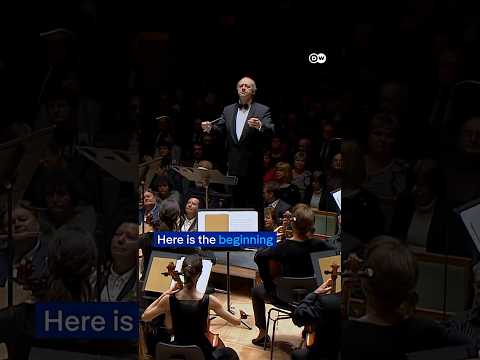
Mozart: Opera Arias for Oboe & Orchestra | François Leleux & Deutsches Sinfonie-Orchester Berlin


<p><iframe allowfullscreen="allowfullscreen" width="640" height="390" src="https://www.inoreader.com/yt-embed/?v=NX5irg1IXFQ" referrerpolicy="strict-origin-when-cross-origin" style="width:100%;aspect-ratio:16/9;height:auto;display:block;border:0;" frameborder="0"></iframe></p><p>Do you love the arias from Mozart's operas? And do you enjoy testing your knowledge of Mozart’s music? If the answer is yes, then this video is for you! It features five arias from Mozart's beloved operas "The Magic Flute" and "Don Giovanni." But there's a twist: The arias here aren't sung — instead, the oboe plays the melody, which makes it even trickier to guess which they are! The Deutsches Symphonie-Orchester Berlin performs under the direction of François Leleux, who also plays the solo oboe part. The concert took place on July 12, 2025, at the Kissinger Sommer in the Max-Littmann-Saal.<br> <br> Have you made your guesses? Here are the answers: <br> <br> ARIAS FROM THE MAGIC FLUTE, K. 620<br> (00:00) Der Vogelfänger bin ich ja (Aria of Papageno, Act I,2)<br> (02:05) Dies Bildnis ist bezaubernd schön (Aria of Tamino, Act I,3)<br> (05:34) Ein Mädchen oder Weibchen (Aria of Papageno, Act II,20)<br> (08:39) Alles fühlt der Liebe Freuden (Aria of Monostratos, Act II,13)<br> <br> ARIA FROM DON GIOVANNI, K. 527<br> (10:08) Non mi dir, bell’idol mio (Aria of Donna Anna, Act II,23)<br> <br> With the vocal lines replaced by the oboe, this performance is certainly unique! The oboe has a remarkably pure, overtone-rich sound, which is why it traditionally provides the reference pitch for the entire orchestra as it tunes. At the same time, the tone of this woodwind instrument is both highly penetrating and extraordinarily versatile — it's capable of expressing a wide range of emotions in music. Against this backdrop, it is no surprise that countless works have been arranged for oboe. Nor is it surprising that the vibrance of the human voice can be conveyed particularly well by the instrument.<br> <br> This video brings together a selection of Mozart’s masterful melodies "sung" by the oboe. Thanks to the instrument’s distinctive sound, Mozart’s brilliant compositions emerge with lightness and elegance. And there is another special touch: François Leleux performs both as solo oboist and as conductor of the orchestra at the same time.<br> <br> © 2025 Deutsche Welle<br> <br> Text: Rita Kass<br> <br> Watch more concerts in our CONCERT HALL:<br> <a href="https://www.youtube.com/playlistlist=PL_SdnzPd3eBV5A14dyRWy1KSkwcG8LEey">https://www.youtube.com/playlistlist=PL_SdnzPd3eBV5A14dyRWy1KSkwcG8LEey</a><br> <br> in our MOZART playlist: <a href="https://www.youtube.com/playlist?list=PL_SdnzPd3eBVMUV5tqlgIMa-NdrBs5qum">https://www.youtube.com/playlist?list=PL_SdnzPd3eBVMUV5tqlgIMa-NdrBs5qum</a><br> <br> in our OPERA playlist: <a href="https://www.youtube.com/playlist?list=PL_SdnzPd3eBViI0xNOrkXyijK6Ft5xx8N">https://www.youtube.com/playlist?list=PL_SdnzPd3eBViI0xNOrkXyijK6Ft5xx8N</a><br> <br> and in our playlist with masterpieces from the CLASSICAL PERIOD: <a href="https://www.youtube.com/playlist?list=PL_SdnzPd3eBX17Jic5IUJQle18jrnZAof">https://www.youtube.com/playlist?list=PL_SdnzPd3eBX17Jic5IUJQle18jrnZAof</a> <br> <br> Subscribe to DW Classical Music: <a href="https://www.youtube.com/dwclassicalmusic">https://www.youtube.com/dwclassicalmusic</a><br> <br> #mozart #operaaria #oboe</p> <p><a href="https://www.youtube.com/watch?v=NX5irg1IXFQ" target="_blank">- Enlace a artículo -</a></p> <p>Más info en https://ift.tt/5HkpoZA / Tfno. & WA 607725547 Centro MENADEL (Frasco Martín) Psicología Clínica y Tradicional en Mijas. #Menadel #Psicología #Clínica #Tradicional #MijasPueblo</p> <p>*No suscribimos necesariamente las opiniones o artículos aquí compartidos. No todo es lo que parece.</p>
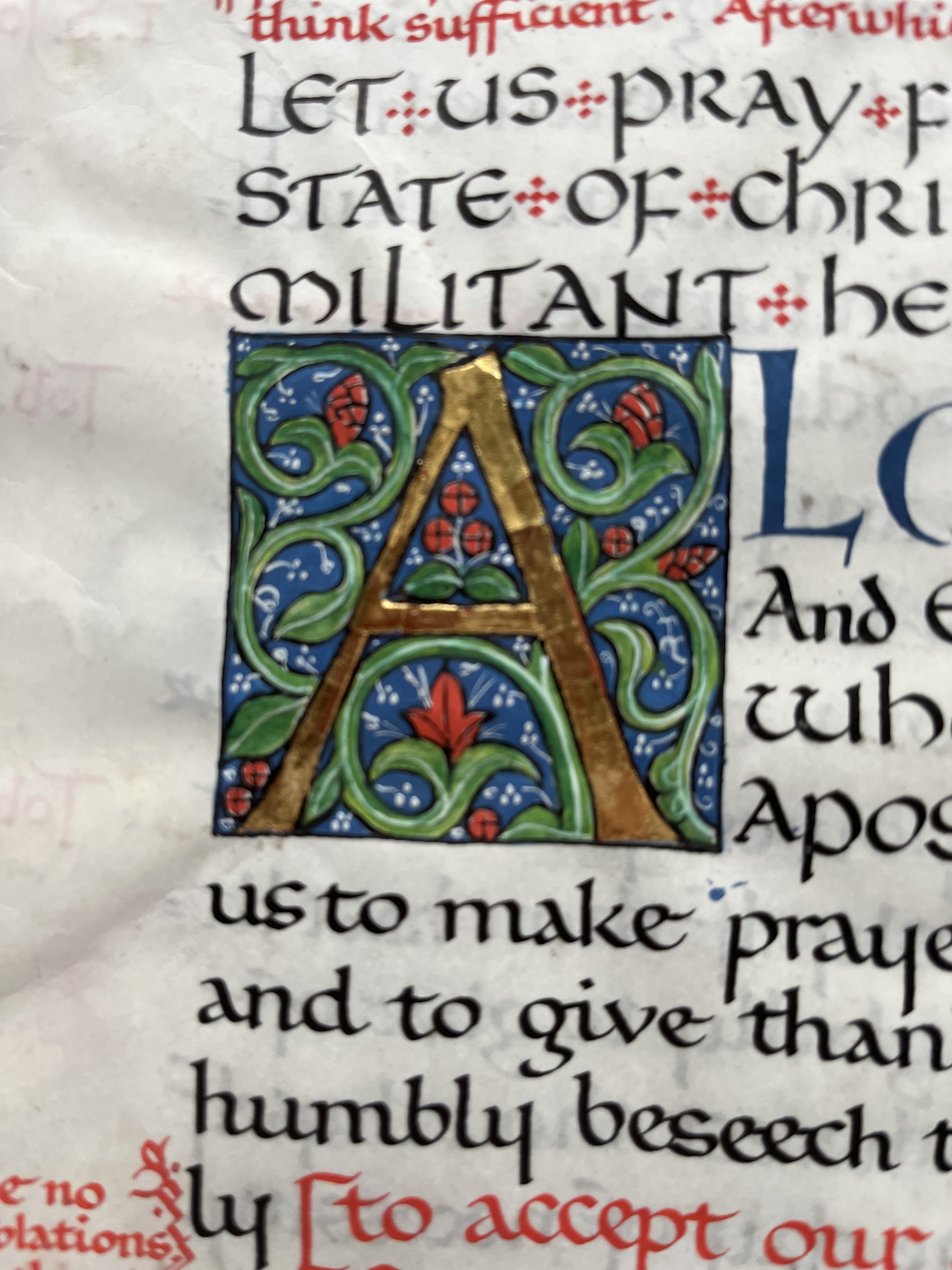
Announcing Sacred Web Volume 54


<div> <p>Greetings to our journal’s valued readers! Before we introduce the contents, a quick word:</p><p><strong>Our goal</strong>: We aim to make available the rich resource of knowledge in <em>Sacred Web</em>, and to engage our readership with the contents. To that end, we are endeavouring each week to send new posts to our members, and plan to place directly and conveniently into your Inboxes the materials from our rich archive (a trove of some 10,000 pages from the print edition, Vols. 1 to 50), based on <em>our philosophy that knowledge should not be monetized but should, as far as practicable, be accessible freely for the common good</em>.</p><p><strong>Our thanks</strong>: Our goal is only achievable through the tireless labour of those few volunteers who work behind the scenes, and the people who generously contribute their knowledge for the shared benefit of all. On behalf of our members, we thank them.</p><p><strong>Our request</strong>: Please continue to support our work by </p><ul><li>signing up to be a member of <em>Sacred Web</em> (the signup is free, and it enables us send you our weekly posts)</li><li>engaging with the published material through comments in the Comments Box at the end of each article</li><li>submitting essays, reviews or poems for publication</li><li>volunteering your expertise or donating your time to sustain the worthy goals of the journal.</li></ul><p>Finally, we are pleased to inform you that we now offer audio versions of select essays &amp; poems, including those in Volume 54. Click below to listen and follow us on Spotify.</p><figure><a href="https://open.spotify.com/episode/6RX9gNM39D3Z79Ph5lHmiN?si=C8l5CPSDTpWWYgYoc3m3cw&amp;ref=sacredweb.com"><img src="https://storage.ghost.io/c/26/b5/26b5a426-214e-4897-b490-fa1deaa9b7ae/content/images/2026/05/Spotify.png" alt="" width="1416"></a></figure><p>Thank you.</p><div> <div> <div> <p><span>Sacred Web is devoted to exploring the relevance of universal and traditional wisdom in addressing the challenges of modern life.</span></p> </div> </div> </div><h2>Contents of Volume 54 of <em>Sacred Web</em></h2><p>It is our pleasure to bring you this volume’s rich array of essays, reviews, poetry as well as other materials in, textual, audio and visual formats.</p><h3><br>The Cover Illustration: Doctor Faustus</h3><p>Once again, <em>Sacred Web</em> is delighted to offer our readers a specially designed illustration by the accomplished illustrator, Nigel Jackson, to grace the latest volume of the journal. The illustration depicts Doctor Faustus and Mephistopheles. The image evokes the theme of human temptation and the choice between pursuing mundane gratifications and knowledge, or instead restraining the wilful soul by governing it to heed its obligations to the Spirit, especially in view of the transient nature of material life. The illustration and story of Doctor Faustus contains sober moral overtones for a modern age like ours, one that is preoccupied with transhumanist, materialistic and individualistic ideals.</p><h2>Essays</h2><h3>The Infernal Method of Printing: Guild Initiations &amp; The Faust Legend</h3><p><em>By Nigel Jackson </em>| <a href="https://www.sacredweb.com/volume-54/the-infernal-method-of-printing-guild-initiations-the-faust-legend/">Read</a> | <a href="https://open.spotify.com/episode/3hSzvgk1kOAAXfUhzpPyes?si=GaKzI9xyTpytmAdaBQ5Rrw&amp;ref=sacredweb.com">Listen</a></p><figure><img src="https://storage.ghost.io/c/26/b5/26b5a426-214e-4897-b490-fa1deaa9b7ae/content/images/2026/05/nigel-jackson-54-1-1.png" alt="" width="413"></figure><p>Printing was termed the ‘Black Art’ in medieval times. Nigel Jackson explains why, and writes about the significance of the initiatic rituals within the Germanic printing guilds. The legend of Faust (the cover image for this volume of <em>Sacred Web</em>) and Blake’s mythology from <em>The Marriage of Heaven and Hell</em> are both linked to this esoteric heritage of printing.</p><p><em>By Charles Upton</em> | <a href="https://www.sacredweb.com/volume-54/the-science-of-traditional-metaphysics-an-outline/">Read</a> | <a href="https://open.spotify.com/episode/3kfkanhxFuqFUZgC6uUWRV?si=IGxhICHdQoqQ1WAUG7drxA&amp;ref=sacredweb.com">Listen</a></p><figure><img src="https://storage.ghost.io/c/26/b5/26b5a426-214e-4897-b490-fa1deaa9b7ae/content/images/2026/05/IMG_4720-1-1-1.jpg" alt="" width="226"></figure><p>In this excerpt from the author’s forthcoming book, ‘<em>Metaphysics for Hard Times</em>’, Charles Upton provides a primer on certain aspects of metaphysics and their relationship to the spiritual path.</p><h3>Deciphering Reality: <em>From Point Comes a Line, and From Line Again a Circle</em></h3><p><em>By Noraini M. Noor and Aziuddin Ahmad </em>| <a href="https://www.sacredweb.com/volume-54/deciphering-reality-from-point-comes-a-line-and-from-line-again-a-circle/">Read</a> | <a href="https://open.spotify.com/episode/6smCJQ9gjgYre9isZrBMLt?si=jdcPUFovR3iqjoxw2YS3bQ&amp;ref=sacredweb.com">Listen</a></p><figure><img src="https://storage.ghost.io/c/26/b5/26b5a426-214e-4897-b490-fa1deaa9b7ae/content/images/2026/05/IMG_1368-1-1.jpg" alt="" width="606"></figure><p>The authors interpret a verse from the Persian Sufi poet, Mahmud Shabistari, to explain the metaphysical structure of Reality in relation to the soul, and its implications for the purpose of life.</p><h3>Wholeness &amp; Holiness: Meister Eckhart's Alchemy of Healing</h3><p><em>By M. Ali Lakhani </em>| <a href="https://www.sacredweb.com/volume-54/wholeness-holiness-meister-eckharts-alchemy-of-healing/">Read</a> | <a href="https://open.spotify.com/episode/11bhok4KE9SgnGvb6tGXUN?si=dGTnGy8dQ3q45B_Gzum6Gw&amp;ref=sacredweb.com">Listen</a></p><figure><img src="https://storage.ghost.io/c/26/b5/26b5a426-214e-4897-b490-fa1deaa9b7ae/content/images/2026/05/IMG_1252-1.jpg" alt="" width="272"></figure><p>This is the text of a paper presented by the author at the 2026 Meister Eckhart Conference held in Washington, DC. Taking a phrase used by Jesus, connecting wholeness and healing with faith, the author considers its esoteric import through the lens of the teachings of the medieval Christian mystic, Meister Eckhart, and its relevance to our contemporary world.</p><h3>What is God? Mechthild of Magdeburg on the Sphere and the Flowing Light</h3><p><em>By Andrea Nowak-Enshaie </em>| <a href="https://www.sacredweb.com/volume-54/what-is-god-mechthild-of-magdeburg-on-the-sphere-and-the-flowing-light/">Read</a> | <a href="https://open.spotify.com/episode/2wbpoiWc3LJOcaJNMjzXWq?si=QRCd_mysQO2Y1qKTgAx_6g&amp;ref=sacredweb.com">Listen</a></p><figure><img src="https://storage.ghost.io/c/26/b5/26b5a426-214e-4897-b490-fa1deaa9b7ae/content/images/2026/05/IMG_1393-1.jpg" alt="" width="267"></figure><p>Mechthild of Magdeburg was a medieval German mystic whose seminal work, ‘Flowing Light of the Godhead’, is a profound teaching about the cosmos and the nature of human reality. This paper provides an overview of Mechthild’s work, and its importance.</p><h3>Sexism and Buddhism: A Shin Buddhist Apologetic</h3><p><em>By Johan Nilsson </em>| <a href="https://www.sacredweb.com/volume-54/sexism-and-buddhism-a-shin-buddhist-apologetic/">Read</a> | <a href="https://open.spotify.com/episode/6rCVZCriJvic3YXSgb7n21?si=s_d9HyXaQrCJ79zFVzaucA&amp;ref=sacredweb.com">Listen</a></p><figure><img src="https://storage.ghost.io/c/26/b5/26b5a426-214e-4897-b490-fa1deaa9b7ae/content/images/2026/05/IMG_1406-1.jpg" alt="" width="325"></figure><p>Examining the claims that women are treated in a misogynistic way in Buddhism, the author offers an <em>apologia</em> from the perspective of Jodo Shinshu to debunk the claims.</p><h2>Special Section on Humanity and Transhumanism</h2><h3>In Defense of Humanity</h3><p><em>By Charles Upton </em>| <a href="https://www.sacredweb.com/volume-54/in-defense-of-humanity/">Read</a> | <a href="https://open.spotify.com/episode/682Ia2V0XInj4u7lHwQQzc?si=FjyMaRCTQXCa-rQu16iQ2g&amp;ref=sacredweb.com">Listen</a></p><figure><img src="https://storage.ghost.io/c/26/b5/26b5a426-214e-4897-b490-fa1deaa9b7ae/content/images/2026/05/IMG_1420-1.jpg" alt="" width="526"></figure><p>Human beings are losing sight of what it means to be human. Charles Upton’s essay, excerpted from his forthcoming book, ‘<em>Metaphysics for Hard Times</em>’, takes up the challenge of reminding us of the traditional ideals of humanity in a transhumanist era.</p><h3>Essay on ‘<em>Pluribus</em>’: Transhumanism and <em>Theosis</em></h3><p><em>By Bruno Amabile Bracco </em>| <a href="https://www.sacredweb.com/volume-54/pluribus-transhumanism-and-theosis/">Read</a> | <a href="https://open.spotify.com/episode/5YO9JLvPm7argOckd6fGSa?si=W8umqHP_Sv6fS83BlF-aQQ&amp;ref=sacredweb.com">Listen</a></p><figure><img src="https://storage.ghost.io/c/26/b5/26b5a426-214e-4897-b490-fa1deaa9b7ae/content/images/2026/05/IMG_0975.jpg" alt="" width="1600"></figure><p>Reflecting on the TV series ‘<em>Pluribus</em>’, this essay asks whether history has been a battle between transhumanism and its opponents. Can humans transcend humanity by rejecting it—and thereby God Himself—or should we embrace both God and Man through <em>theosis</em>?</p><h2>Special Section: Women in Folk Tales</h2><h3>Hasan Aga’s Noble Wife and the Spirit of Her World</h3><p><em>By Rusmir Mahmutćehajić </em>| <a href="https://www.sacredweb.com/volume-54/hasan-agas-noble-wife-and-the-spirit-of-her-world/">Read</a> | <a href="https://open.spotify.com/episode/7BusG5DMEQcMBkOkfvgBdh?si=WbhzwEdTSIemJ58QHyeHnQ&amp;ref=sacredweb.com">Listen</a></p><figure><img src="https://storage.ghost.io/c/26/b5/26b5a426-214e-4897-b490-fa1deaa9b7ae/content/images/2026/05/IMG_0989-1.jpg" alt="" width="563"></figure><p>This essay by the Bosnian Muslim intellectual and former vice-president of Bosnia-Herzegovina, who passed away in 2026, examines the symbolic meaning of, ‘<em>Hasanaginica</em>’, a poem from the seventeenth century, and part of the world’s literary heritage, which has been translated by authors ranging from Goethe and Walter Scott to Pushkin and Akhmatova.</p><h3>Folklore of the Walled-Up Woman: Misogyny or Mythology?</h3><p><em>By Fatos A. Kopliku </em>| <a href="https://www.sacredweb.com/volume-54/folklore-of-the-walled-up-woman-misogyny-or-mythology/">Read</a> | <a href="https://open.spotify.com/episode/6IG7PJvGPCfYoBbOM7SKPU?si=UkRYT4euTi2rOnBFbzc7Vg&amp;ref=sacredweb.com">Listen</a></p><figure><img src="https://storage.ghost.io/c/26/b5/26b5a426-214e-4897-b490-fa1deaa9b7ae/content/images/2026/05/IMG_1318-1-1.jpg" alt="" width="264"></figure><p>Through a lens of metaphysical hermeneutics, the author explores the motif of the walled-up woman in folklore, focusing on an Albanian legend of the immured woman at the Castle of Shkodra/Rozafa, and on the story of Anārkali, concubine of Prince Salim (later Emperor Jahangir) in Mughal India.</p><h2>Reviews</h2><h3></h3><h3>Book Review: <em>The Othered Woman: How White Feminism Harms Muslim Women</em> by Shahed Ezaydi</h3><p><em>Reviewed by Michael Bradburn-Ruster </em>| <a href="https://www.sacredweb.com/volume-54/book-review-the-othered-woman/">Read</a> | <a href="https://open.spotify.com/episode/4FxiKuLmE6WQxnhGD5Nuux?si=U7jIAqFcTgeV9DLQ3tMmEg&amp;ref=sacredweb.com">Listen</a></p><figure><img src="https://storage.ghost.io/c/26/b5/26b5a426-214e-4897-b490-fa1deaa9b7ae/content/images/2026/05/IMG_1334-2-1-1.png" alt="" width="276"></figure><p>Whose lives “matter” and whose do not? When do stereotypes and propaganda obfuscate both our rich diversity and our common humanity? Whose plight is worthy of mention only when it can be exploited for ideological ends and geopolitical advantage? This important book by Shahed Ezaydi examines how ‘white feminism’ harms Muslim women.</p><h3>Book Review: <em>The Sacred Dance of Ancient India and Its Relevance to Hindu </em>Iconography<em> </em>by Sarah Vieira Magalhães</h3><p><em>Reviewed by Professor Neela Bhattacharya Saxena </em>| <a href="https://www.sacredweb.com/volume-54/book-review-the-sacred-dance-of-ancient-india-by-sarah-vieira-magalhaes/">Read</a> | <a href="https://open.spotify.com/episode/6jXQ8jLC7Z8tU1lnmfOIXH?si=9KWkELmkRIuA_V64-3Gg6Q&amp;ref=sacredweb.com">Listen</a></p><figure><img src="https://storage.ghost.io/c/26/b5/26b5a426-214e-4897-b490-fa1deaa9b7ae/content/images/2026/05/IMG_1262-1.jpg" alt="" width="267"></figure><p><em>Dancing the Metaphysics of the</em> <em>Karaṇas </em>is<em> </em>a<em> </em>review of a new<em> </em>study by a researcher and dance practitioner of <em>Bharat Natyam</em>, which explores the iconography of the sacred dance tradition in India as a vehicle for self-transformation.</p><h2>Poetry</h2><h2></h2><h3>The Ultimate Blackness &amp; The Reason for Darkness</h3><p><em>A Poem and Reflection by Charles Upton </em>| <a href="https://www.sacredweb.com/volume-54/the-ultimate-blackness-the-reason-for-darkness/">Read</a> | <a href="https://open.spotify.com/episode/4J8qSG0RtqH0suNjGYkRrV?si=ik2pMYrqQ8mwaa04GPz89Q&amp;ref=sacredweb.com">Listen</a></p><figure><img src="https://storage.ghost.io/c/26/b5/26b5a426-214e-4897-b490-fa1deaa9b7ae/content/images/2026/05/IMG_1418-2-1.jpg" alt="" width="465"></figure><h3>Sequence and Sonnet: Triptych for Viola da Gamba | Paradigm: Adam &amp; Eve</h3><p><em>By Michael Bradburn-Ruster</em></p><figure><img src="https://storage.ghost.io/c/26/b5/26b5a426-214e-4897-b490-fa1deaa9b7ae/content/images/2026/05/Pablo-foto---Manu-Trillo-1-1.jpg" alt="" width="525"></figure><p><a href="https://www.sacredweb.com/volume-54/triptych-for-viola-da-gamba/">Read</a> or <a href="https://open.spotify.com/episode/2LWUeWyuMCw5giG9HBcMwJ?si=Wz4X6YwvSaSDPV1lMFks0g&amp;ref=sacredweb.com">listen</a> to Triptych for Viola da Gamba.</p><figure><img src="https://storage.ghost.io/c/26/b5/26b5a426-214e-4897-b490-fa1deaa9b7ae/content/images/2026/05/nikola-tomasic-sMDpzdxjoaM-unsplash-1-1.jpg" alt="" width="533"></figure><p><a href="https://www.sacredweb.com/volume-54/paradigm-adam-eve/">Read</a> or <a href="https://open.spotify.com/episode/4fW0tJZGI6ehcUvdNlI2QN?si=4AAKkFOMRcCzOreUhvXnvQ&amp;ref=sacredweb.com">listen</a> to Paradigm: Adam and Eve.</p><h3>Three Poems: Words | Heartsong | The Soul’s Clothing</h3><p><em>By Jason Deutsch </em>| <a href="https://open.spotify.com/episode/6RX9gNM39D3Z79Ph5lHmiN?si=C8l5CPSDTpWWYgYoc3m3cw&amp;ref=sacredweb.com">Listen</a> or read below</p><figure><a href="https://www.sacredweb.com/volume-54/words-a-poem/"></a><div><a href="https://www.sacredweb.com/volume-54/words-a-poem/"></a></div><a href="https://www.sacredweb.com/volume-54/words-a-poem/"></a></figure><figure><a href="https://www.sacredweb.com/volume-54/heartsong-a-poem/"></a><div><a href="https://www.sacredweb.com/volume-54/heartsong-a-poem/"></a></div><a href="https://www.sacredweb.com/volume-54/heartsong-a-poem/"></a></figure><figure><a href="https://www.sacredweb.com/volume-54/the-souls-clothing-a-poem/"></a><div><a href="https://www.sacredweb.com/volume-54/the-souls-clothing-a-poem/"></a></div><a href="https://www.sacredweb.com/volume-54/the-souls-clothing-a-poem/"></a></figure><h3>Seven Poems: Divine Cartography | Advent | Golden Bowl | Things That Hold Me | To Love Is First To See | Winter Tree | Snow</h3><p><em>By M. Ali Lakhani </em>| <a href="https://open.spotify.com/episode/5ac9M03wdWEVz92WT2hgYI?si=bdgilesIT-iVj8W6MMZbFw&amp;ref=sacredweb.com">Listen</a> or read below</p><figure><a href="https://www.sacredweb.com/volume-54/divine-cartography/"></a><div><a href="https://www.sacredweb.com/volume-54/divine-cartography/"></a></div><a href="https://www.sacredweb.com/volume-54/divine-cartography/"></a></figure><figure><a href="https://www.sacredweb.com/volume-54/advent/"></a><div><a href="https://www.sacredweb.com/volume-54/advent/"></a></div><a href="https://www.sacredweb.com/volume-54/advent/"></a></figure><figure><a href="https://www.sacredweb.com/volume-54/golden-bowl/"></a><div><a href="https://www.sacredweb.com/volume-54/golden-bowl/"></a></div><a href="https://www.sacredweb.com/volume-54/golden-bowl/"></a></figure><figure><a href="https://www.sacredweb.com/volume-54/things-that-hold-me/"></a><div><a href="https://www.sacredweb.com/volume-54/things-that-hold-me/"></a></div><a href="https://www.sacredweb.com/volume-54/things-that-hold-me/"></a></figure><figure><a href="https://www.sacredweb.com/volume-54/to-love-is-first-to-see/"></a><div><a href="https://www.sacredweb.com/volume-54/to-love-is-first-to-see/"></a></div><a href="https://www.sacredweb.com/volume-54/to-love-is-first-to-see/"></a></figure><figure><a href="https://www.sacredweb.com/volume-54/winter-tree/"></a><div><a href="https://www.sacredweb.com/volume-54/winter-tree/"></a></div><a href="https://www.sacredweb.com/volume-54/winter-tree/"></a></figure><figure><a href="https://www.sacredweb.com/volume-54/snow/"></a><div><a href="https://www.sacredweb.com/volume-54/snow/"></a></div><a href="https://www.sacredweb.com/volume-54/snow/"></a></figure> </div> <p><a href="https://www.sacredweb.com/news/sacred-web-54/" target="_blank">- Enlace a artículo -</a></p> <p>Más info en https://ift.tt/5HkpoZA / Tfno. & WA 607725547 Centro MENADEL (Frasco Martín) Psicología Clínica y Tradicional en Mijas. #Menadel #Psicología #Clínica #Tradicional #MijasPueblo</p> <p>*No suscribimos necesariamente las opiniones o artículos aquí compartidos. No todo es lo que parece.</p>

La Atalaya de la Cabeza


<table style="margin-left:auto;margin-right:auto;"><tbody><tr><td style="text-align:center;"><a href="https://blogger.googleusercontent.com/img/b/R29vZ2xl/AVvXsEhRUw3wQ2JIGaUj0vYyM7yXEPGKzSBjWJ8u_NcdGnX7C-lxjvUWBG9htxM99FKNLAORGrkyPgW2xmel_eGcuOPYqbh6BW4epqs2IlHOkRIP-T6pgX6D3iss-EQZNafrEkMCagOjmKPAsAD0fNqG4WtE1bImeBrCdRmyXIkVTlstJgpljvI5SPZLoaC-_hcC/s3263/IMG_5192.jpeg" style="margin-left:auto;margin-right:auto;"><img height="400" src="https://blogger.googleusercontent.com/img/b/R29vZ2xl/AVvXsEhRUw3wQ2JIGaUj0vYyM7yXEPGKzSBjWJ8u_NcdGnX7C-lxjvUWBG9htxM99FKNLAORGrkyPgW2xmel_eGcuOPYqbh6BW4epqs2IlHOkRIP-T6pgX6D3iss-EQZNafrEkMCagOjmKPAsAD0fNqG4WtE1bImeBrCdRmyXIkVTlstJgpljvI5SPZLoaC-_hcC/w320-h400/IMG_5192.jpeg" width="320" alt="IMG_5192.jpeg"></a></td></tr><tr><td style="text-align:center;"><span style="text-align:left;">Situada a unos 611 metros de altitud sobre el <br>Cerro de la Cabeza, esta torre vigía lleva más de <br>cinco siglos observando el paso natural entre Jaén <br>y Granada, exactamente el mismo corredor <br>estratégico por el que hoy discurre la autovía</span></td></tr></tbody></table><p style="text-align:justify;">Quienes circulan por la A-44 entre Jaén y Granada suelen fijarse, a la altura de La Cerradura, en una vieja torre de piedra que domina el paisaje desde lo alto de un cerro. Muchos pasan junto a ella sin conocer su historia, pero esa silueta robusta y solitaria es uno de los vestigios medievales más interesantes del valle del Guadalbullón: la Atalaya de la Cabeza, también conocida como Torreón de la Cabeza, en el término municipal de Pegalajar.</p><table style="margin-left:auto;margin-right:auto;"><tbody><tr><td style="text-align:center;"><a href="https://blogger.googleusercontent.com/img/b/R29vZ2xl/AVvXsEiMTLj2hr03xtifCRGy9cPx3qqWJwJlP7gO7DvYtc1Lpu_GwhaHtNC1_1h1t9qeZvvlnh-8qM6ttiUXCAvkQgOPLpR0AhvQFDiXCq5UcoXsJTt8kOVD-OfiEaqmAPXMPS8KV4Kz_wVZBT5-MfAhH8hdbt5HI8yuT_bRlBgIYetF421jqJQbLVjuPjAfGRd5/s2070/IMG_5194.jpeg" style="margin-left:auto;margin-right:auto;"><img height="400" src="https://blogger.googleusercontent.com/img/b/R29vZ2xl/AVvXsEiMTLj2hr03xtifCRGy9cPx3qqWJwJlP7gO7DvYtc1Lpu_GwhaHtNC1_1h1t9qeZvvlnh-8qM6ttiUXCAvkQgOPLpR0AhvQFDiXCq5UcoXsJTt8kOVD-OfiEaqmAPXMPS8KV4Kz_wVZBT5-MfAhH8hdbt5HI8yuT_bRlBgIYetF421jqJQbLVjuPjAfGRd5/w320-h400/IMG_5194.jpeg" width="320" alt="IMG_5194.jpeg"></a></td></tr><tr><td style="text-align:center;">Se cree que la construcción o restauración definitiva <br>de la torre fue realizada por el Condestable Don <br>Miguel Lucas de Iranzo entre 1462 y 1470, uno <br>de los personajes más influyentes de la <br>Jaén del siglo XV</td></tr></tbody></table><p style="text-align:justify;">La Atalaya de la Cabeza fue levantada en plena Baja Edad Media, entre los siglos XIII y XV, cuando estas tierras marcaban la frontera entre el reino nazarí de Granada y Castilla. La mayoría de los estudios consideran que la torre actual es de origen cristiano-medieval, aunque probablemente se construyó sobre restos defensivos andalusíes anteriores. Su función era clara: vigilar y controlar uno de los accesos más importantes hacia el Reino de Jaén. En aquella época, este estrechamiento del valle del Guadalbullón era una auténtica puerta natural entre los territorios enfrentados del reino cristiano de Castilla y el musulmán de Granada.</p><p style="text-align:justify;">La torre formaba parte de una extensa red de vigilancia y comunicación visual mediante señales ópticas. Desde aquí se mantenía contacto con otras atalayas repartidas por la provincia, creando una cadena defensiva que recorría Andalucía de norte a sur. Entre las más cercanas estaban la desaparecida Torre de la Pedregosa y la Torre de la Estrella.</p><table style="margin-left:auto;margin-right:auto;"><tbody><tr><td style="text-align:center;"><a href="https://blogger.googleusercontent.com/img/b/R29vZ2xl/AVvXsEirA3frKiggxH43oRxW-i4U5pGKaBLxH9kaeBalz3GYWi5bfRnwpm6AoerZXD8rg1-EJpkETOnShQFEFoA7iYzb4EwPynh6d_q_-fJJo1hTDBSNuR1fnopziej3irIHNcBvwgUVhtXKKJBmNMpO6fiN55TViia2ytvYjIc22Vp6DEkLVCfV3-3MBBcEnP79/s3276/IMG_5195.jpeg" style="margin-left:auto;margin-right:auto;"><img height="400" src="https://blogger.googleusercontent.com/img/b/R29vZ2xl/AVvXsEirA3frKiggxH43oRxW-i4U5pGKaBLxH9kaeBalz3GYWi5bfRnwpm6AoerZXD8rg1-EJpkETOnShQFEFoA7iYzb4EwPynh6d_q_-fJJo1hTDBSNuR1fnopziej3irIHNcBvwgUVhtXKKJBmNMpO6fiN55TViia2ytvYjIc22Vp6DEkLVCfV3-3MBBcEnP79/w320-h400/IMG_5195.jpeg" width="320" alt="IMG_5195.jpeg"></a></td></tr><tr><td style="text-align:center;">En 1470, los vigilantes de la torre fueron asesinados <br>durante un asalto musulmán, reflejo de la constante <br>tensión e inseguridad de la frontera entre Castilla <br>y el reino nazarí</td></tr></tbody></table><p style="text-align:justify;">La zona vivía entonces continuas tensiones fronterizas, incursiones y ataques. De hecho, las crónicas mencionan un episodio especialmente trágico ocurrido en 1470, cuando los vigilantes de la torre fueron asesinados durante un asalto musulmán. Un hecho que refleja hasta qué punto esta frontera era todavía un territorio inestable y peligroso.</p><table style="margin-left:auto;margin-right:auto;"><tbody><tr><td style="text-align:center;"><a href="https://blogger.googleusercontent.com/img/b/R29vZ2xl/AVvXsEgrulQ_iC1GZvB8POMnIZXYJtvvILb-Y7bGrF3UXxoWGbh7DaLTUJJKXK_1pLA45kTTKUGGUbujN0ICoHFShOUyQo4Fpa_b6Csbt7Hn5IPFsXScMSsOWUH3_aqsHOS9t-HEvEQQdyzy2eHzmVKL20uYHxJRwnJ-knHHDYdpOHDrVlgCmmQCi3yrcFYNXz-n/s3382/IMG_5196.jpeg" style="margin-left:auto;margin-right:auto;"><img height="400" src="https://blogger.googleusercontent.com/img/b/R29vZ2xl/AVvXsEgrulQ_iC1GZvB8POMnIZXYJtvvILb-Y7bGrF3UXxoWGbh7DaLTUJJKXK_1pLA45kTTKUGGUbujN0ICoHFShOUyQo4Fpa_b6Csbt7Hn5IPFsXScMSsOWUH3_aqsHOS9t-HEvEQQdyzy2eHzmVKL20uYHxJRwnJ-knHHDYdpOHDrVlgCmmQCi3yrcFYNXz-n/w320-h400/IMG_5196.jpeg" width="320" alt="IMG_5196.jpeg"></a></td></tr><tr><td style="text-align:center;">El acceso original se situaba elevado, a unos tres <br>metros del suelo, una característica típica de las <br>torres defensivas medievales para <br>dificultar los ataques</td></tr></tbody></table><p style="text-align:justify;">La Atalaya de la Cabeza tiene un aspecto compacto y robusto, casi rechoncho, construido íntegramente en mampostería. Su altura ronda los ocho metros y presenta una planta circular asentada sobre un pronunciado talud troncocónico. <span style="text-align:left;">La base maciza sostiene el cuerpo superior, donde se encuentra una cámara circular cubierta por una bóveda de media naranja. Los gruesos muros, de aproximadamente 1,55 metros de espesor, conservan tres saeteras defensivas desde las que se podía vigilar el valle. </span>Uno de los elementos más curiosos es el pozo rectangular que se abre en el interior de la cámara. Según los estudios, conectaba con una mina de escape subterránea, actualmente colmatada de tierra.</p><table style="margin-left:auto;margin-right:auto;"><tbody><tr><td style="text-align:center;"><a href="https://blogger.googleusercontent.com/img/b/R29vZ2xl/AVvXsEhfWv06Sg7rVoz84CTP_iENMuBUkNsTAL5ejq98tpeoMJDhbDy-toe6jwk6Db_fpxZ4PKYx7uZxIq2M1fM6r2V8997wzgkdjx_45DkL1n-5RiJg6bfq83WJ-__7QFGDLzmWUwg1OJS9XCk5u4H9M_QvI7hVaybCiwgGzIm48BYT8HsLlPZsFfckiq0kGMBl/s3779/IMG_5199.jpeg" style="margin-left:auto;margin-right:auto;"><img height="400" src="https://blogger.googleusercontent.com/img/b/R29vZ2xl/AVvXsEhfWv06Sg7rVoz84CTP_iENMuBUkNsTAL5ejq98tpeoMJDhbDy-toe6jwk6Db_fpxZ4PKYx7uZxIq2M1fM6r2V8997wzgkdjx_45DkL1n-5RiJg6bfq83WJ-__7QFGDLzmWUwg1OJS9XCk5u4H9M_QvI7hVaybCiwgGzIm48BYT8HsLlPZsFfckiq0kGMBl/w320-h400/IMG_5199.jpeg" width="320" alt="IMG_5199.jpeg"></a></td></tr><tr><td style="text-align:center;">Aunque hoy ha desaparecido el parapeto superior, <br>todavía se aprecian restos de los matacanes y señales <br>de la antigua escalera empotrada que <br>conducía a la terraza</td></tr></tbody></table><p style="text-align:justify;"><span style="text-align:left;">Aunque la torre es de propiedad privada y normalmente no puede visitarse por dentro, el entorno se ha convertido en un lugar muy apreciado por senderistas y aficionados a la fotografía. </span><span style="text-align:left;">Las rutas que parten desde La Cerradura permiten acercarse hasta su base y disfrutar de unas vistas espectaculares del valle del Guadalbullón, de la Sierra de Grajales y del monte del Mercadillo, famoso por haber proporcionado piedra para la Catedral de Jaén. </span><span style="text-align:left;">Desde allí resulta fácil comprender por qué este cerro fue elegido hace siglos como punto de vigilancia: todo el corredor natural entre Jaén y Granada queda expuesto ante la mirada de la atalaya.</span></p><p style="text-align:justify;">Hoy, mientras miles de vehículos atraviesan cada día la A-44 sin detenerse, la Atalaya de la Cabeza sigue vigilando el paso como lo hizo durante siglos.Es uno de esos lugares donde el paisaje y la historia se mezclan de forma perfecta: una torre aparentemente humilde, aislada sobre un cerro, que en realidad fue pieza clave en la defensa de una frontera decisiva para la historia de España. La próxima vez que pases junto a La Cerradura, merece la pena levantar la vista hacia el Cerro de la Cabeza y recordar que esa vieja torre de piedra lleva observando viajeros desde mucho antes de que existieran carreteras, coches o autovías.</p> <p><a href="http://legadonazari.blogspot.com/2026/05/la-atalaya-de-la-cabeza.html" target="_blank">- Enlace a artículo -</a></p> <p>Más info en https://ift.tt/5HkpoZA / Tfno. & WA 607725547 Centro MENADEL (Frasco Martín) Psicología Clínica y Tradicional en Mijas. #Menadel #Psicología #Clínica #Tradicional #MijasPueblo</p> <p>*No suscribimos necesariamente las opiniones o artículos aquí compartidos. No todo es lo que parece.</p>
martes, 26 de mayo de 2026

Amar la distancia: la espera y la gracia en Simone Weil


<h4>Amar es consentir en la distancia. La filosofía de Simone Weil nos invita a sostener una mirada que no busca poseer, sino contemplar, en la espera, la belleza del mundo otro. Una aproximación a la ética de la atención como esa oración del alma que permite vislumbrar la grieta por donde se cuela la eternidad en forma de Amor: el instante de la gracia.</h4> <p><span></span></p> <blockquote> <p>Amar puramente es consentir en la distancia,</p> <p>es adorar la distancia entre uno y lo que se ama»</p> <p>«La mirada y la espera representan</p> <p>la actitud que se corresponde con lo bello»</p> <h5><i>La gravedad y la gracia, </i>Simone Weil</h5> </blockquote> <p>No hay gracia sin espera ni amor sin distancia. Al menos cuando tratamos de pensar la hondura pura del amor y de la gracia, cuando aquello que sondeamos se insinúa en los límites de la palabra inapresable, de la vivencia interior. Simone Weil, «único gran espíritu de nuestro tiempo» —dijo Albert Camus—, mística ineludible en su vivir, en su pensar y en su sentir el mundo, hizo de su vida y de su pensamiento una entrega: la de quien se dispone a la búsqueda de la Verdad, la de quien pone el propio cuerpo para experimentar el misterio.</p> <p>Fue Gustave Thibon quien dio a conocer, de forma póstuma, los fragmentos que hoy componen <i>La gravedad y la gracia </i>(Trotta, 1994), la obra donde Weil explora, junto con sus <i>Cuadernos</i> (Trotta, 2001), las ideas que sustentan su filosofía y pensamiento místico, todo aquello que entrañan las operaciones del alma: el amor, la belleza, la balanza, la cruz, la descreación. Y la gracia. En la edición original, publicada en la editorial Plon en 1947, cuatro años después de la muerte de la pensadora, Thibon escribe, con la precisión vívida del recuerdo inolvidable, que «nunca la palabra sobrenatural me ha parecido más llena de realidad que en su presencia [de Simone Weil]». Una apreciación reveladora, pues es la contradictoria claridad de lo sobrenatural aquello que la pensadora francesa nos ofrece en sus escritos; un estudio atravesado por la experiencia de la verticalidad: ese flujo de la gracia que permite el cruce de lo horizontal con lo vertical, de lo que es del mundo con aquello que no lo es, cuando «la eternidad —escribió Weil— desciende para insertarse en el tiempo».</p> <blockquote><p>Solo entonces contempla puramente quien demora su mirada, quien atiende con la devoción de una plegaria. Nunca son los ojos visibles los que operan en este mirar. Es el mirar del corazón, que «está en un confín, al borde de ir todavía más allá», dice María Zambrano, el que en su transparencia nos mueve hacia la escucha. Pero esta atención no debe confundirse con un esfuerzo del intelecto. Al contrario, su ejercicio implica una pasividad <i>activa </i>—de nuevo la distancia— que, lejos de incitar al quietismo, nos revela la posibilidad de disponernos hacia <i>algo</i> sin que haya un fin medible o un objetivo cuantificable que necesite de su consecución para <i>ser</i>.</p></blockquote> <p>Esta inserción de lo eterno en nuestra propia finitud exige, ante todo, una espera y una lejanía que nos permita contemplar lo bello, aquello que amamos, tal como es, sin ánimo de tocarlo, sin poseerlo y sin querer apresarlo bajo nuestra propia mirada y deseos. Simone Weil lo expresa con claridad en estas palabras que se elevan casi como una oración, que guardan la dolorosa hermosura de la renuncia: «Amar puramente es consentir en la distancia, es adorar la distancia entre uno y lo que se ama». Amar de verdad es adorar de corazón todo aquello que nos distancia del amado, «consiste en verse colmado simplemente con saber que (…) está gozando, sin tomar parte de ese gozo, ni siquiera desear hacerlo». Weil nos dice que amar es la alegría, la punzada hiriente y feliz, de saber que el amado existe, aunque ande lejos, aunque no haya cuerpo que se toque. Decir «yo amo» nada tiene que ver con este amor; en otras palabras, amar significa decir: «qué gozo porque existes». Pero amar la distancia también guarda un significado constitutivo de nuestra cualidad de <i>ser</i>; es, por ejemplo, contemplar la composición de una flor y reconocer que nunca se podrá ser pétalo, que la flor es bella en tanto que es una flor y no es otra cosa. O amar la distancia última, la lejana cercanía, en palabras de Margarita Porete, que nos separa de Dios. Una distancia que apela a las preguntas más hondas del ser y que latía en el centro del pensamiento de Simone Weil cuando escribió «aquel al que hay que amar está ausente». Pero ¿qué es <i>este amor?</i> Sobre-la-naturaleza, parece que nunca encuentra una satisfacción en el tiempo; tal es su imposibilidad de contenerse y saciarse en una forma. El amor sobrenatural, expresión de lo indecible, halla su posibilidad a través del ejercicio puro de la atención, que lo alimenta y lo consiente, y se hace puente —<i>metaxú— </i>de lo sagrado en el mundo. Cuando Simone Weil dijo que la belleza es aquello «que se mira sin alargar la mano», también nos dijo: si atendemos puramente, sin tratar de poseer, hacemos con nuestra mirada la belleza por amor. Y por este mismo amor consentimos la existencia del mundo otro.</p> <div style="width:720px;"><img src="https://elhombreylodivino.com/wp-content/uploads/2026/05/Simone-Weil-1-300x166.webp" alt="" width="710" height="284"><p>Weil nos dice que amar es la alegría, la punzada hiriente y feliz, de saber que el amado existe, aunque ande lejos, aunque no haya cuerpo que se toque.</p></div> <p>Solo entonces contempla puramente quien demora su mirada, quien atiende con la devoción de una plegaria. Nunca son los ojos visibles los que operan en este mirar. Es el mirar del corazón, que «está en un confín, al borde de ir todavía más allá», dice María Zambrano, el que en su transparencia nos mueve hacia la escucha. Pero esta atención no debe confundirse con un esfuerzo del intelecto. Al contrario, su ejercicio implica una pasividad <i>activa </i>—de nuevo la distancia— que, lejos de incitar al quietismo, nos revela la posibilidad de disponernos hacia <i>algo</i> sin que haya un fin medible o un objetivo cuantificable que necesite de su consecución para <i>ser</i>. No es el deseo que se llena y se sacia. Atender con amor es, en su radicalidad, un ejercicio de espera y desposesión, una acción sin móvil, en que la mirada se reorienta y «se vacía de todo contenido propio —escribió Weil— para recibir al ser al que está mirando tal cual es, en toda su verdad». Es así, en este vaciado pleno del que se inclina a la desnudez de la mirada, cómo la atención adquiere la cualidad de oración: su grado máximo, posibilitador de la gracia. Visible se torna la idea al pensar el cuerpo en postura de rezo, pues hay en esa actitud suplicante una entrega suave, un recogimiento; una humildad en las rodillas del arrodillado y una ofrenda en las manos ofrecidas hacia arriba. Son las manos que se tienden en la espera y sin esperar nada. Son también las palabras que se repiten como una letanía interior, casi siempre palabras otras (de otras). Tal como Simone Weil recitaba para sí el poema «Love» de George Herbert, me repito yo misma en silencio: «Amar puramente es consentir en la distancia». Las palabras trascendidas de esta manera son también reflejo de la belleza sobrenatural que nos asiste. «Love» [Amor], de Herbert, reza así:</p> <p>«¿Y acaso no sabes —dijo Amor—, quién cargó con la culpa?».</p> <p>«Mi muy querida, entonces te serviré».</p> <p>«Solo siéntate —dijo Amor— y prueba mi carne».</p> <p>Así que me senté y comí.</p> <p>Probar la carne del amor es tratar con amor la carne, los cuerpos vulnerables que, también solos, nos acompañan. Quien así mira y se dispone, comido ya este amor, transforma radicalmente su manera de habitar el mundo y de encontrarse con su prójimo. Es frecuente que a diario, en este tiempo de ritmos frenéticos y hostiles, nos veamos sometidos a interrogaciones que nos categorizan y tratan de apresar nuestra diversidad: desde un «¿quién eres?», «¿de dónde eres?» hasta «¿por qué actúas así?» o «¿a qué te dedicas?». La pregunta, por el contrario, que late en el corazón de la atención sobrenatural es: «¿cuál es tu tormento?». Dirigiéndose hacia la presencia del ser en su diferencia, la mirada atenta nunca se retira ante el <i>malheur</i> del otro. No interroga ni enjuicia, sino que sostiene la visión de la vulnerabilidad del cuerpo herido como ejercicio propio de la atención.<i> </i>Todo se reduce para Weil en «contemplar la desgracia ajena sin apartar la mirada, no solo la mirada de los ojos, sino la mirada de la atención». Atender con el corazón entraña mirar al otro que llora en su grito, desgarrado, y decirle, en nombre de la piedad: <i>te veo y te sostengo. Existes y sufres. No me retiro para ti.</i></p> <blockquote><p>Cuando Simone Weil dijo que la belleza es aquello «que se mira sin alargar la mano», también nos dijo: si atendemos puramente, sin tratar de poseer, hacemos con nuestra mirada la belleza por amor. Y por este mismo amor consentimos la existencia del mundo otro.</p></blockquote> <p>Bien se sabe que no hay manera tangible ni guía ni método que nos permita delimitar con facilidad la complejidad que implica tratar con el otro. Tampoco con nuestro propio encuentro con lo bello. Habitamos una constante anunciación, una disposición, ese lugar del umbral de lo inacabado en que todavía nada ha acontecido. Una espera. Ya decía <a href="https://elhombreylodivino.com/maria-zambrano-y-miguel-de-unamuno-hacia-dentro-2/">María Zambrano</a> que: «la lección inmediata de los claros del bosque [es que] no hay que ir a buscarlos». La pensadora veleña intuía, como Weil, que la gracia, en cierta manera análoga al instante del claro zambraniano, opera en ese lugar exacto donde el tiempo y la eternidad comparten, por un momento, la saeta clavada en el centro de la cruz de nuestra existencia. Es el hallazgo súbito embebido de amor que nos recorre y desconcierta, que nos saca del tiempo para volver a insertarnos en él. Todo el misterio del mundo concentrado en un punto. Es el lugar de la claridad que nos llama a no desmirar ni desoír la desdicha, en cuya profunda gravedad <a href="https://www.trotta.es/autores/simone-weil/628/">Weil</a> vislumbró el peso contrario de la balanza, esa gracia que atraviesa el centro del alma y que, en su asombro, nos sitúa, también, en una actitud de apertura hacia lo inefable inesperado, hacia todo aquello que se escapa de los flujos y ritmos tiránicos del <i>Cronos</i>.</p> <p>Simone Weil ofrece su ser mismo con tal de que todo lo que ella no <i>es</i> pueda <i>ser</i>; desea mirar el mundo más allá de sí misma, es decir, dejar de decir <i>yo </i>para decir <i>lo otro.</i> Solía escribir en sus cuadernos tomando a Arquímedes: «Dadme un punto de apoyo y moveré el mundo». Dadme el instante, la belleza con que sostenerme, y moveré el mundo. Hay en ella <i>el</i> anhelo, un movimiento, la inquietud desbordante del corazón desasosegado. Ese aleteo del alma que recuerda a la «mariposica» teresiana, cuando la Santa de Ávila escribe en <i>Las moradas</i>: «(…) no acaba esta mariposica de hallar asiento que dure, antes, como anda el alma tan tierna del amor». No habría asiento en vida para Simone Weil, que dejó este mundo «casi desprendida de la carne», «etérea», «transparente» —dijeron aquellos que la vieron por última vez—, pero entregada, en su descrearse, a lo que es y lo que no es del mundo, a amar la desnudez de las cosas, sondeando hasta el secreto último la grieta por la que se cuela la eternidad: lo único que <i>no se muda.</i></p> <p><a href="https://elhombreylodivino.com/amar-la-distancia-simone-weil/" target="_blank">- Enlace a artículo -</a></p> <p>Más info en https://ift.tt/Q2OvCew / Tfno. & WA 607725547 Centro MENADEL (Frasco Martín) Psicología Clínica y Tradicional en Mijas. #Menadel #Psicología #Clínica #Tradicional #MijasPueblo</p> <p>*No suscribimos necesariamente las opiniones o artículos aquí compartidos. No todo es lo que parece.</p>

ALTERNATIVA POLÍTICA A LA SITUACIÓN ACTUAL: GLOCALISMO


<p><img src="https://jonanderetxebarria.wordpress.com/wp-content/uploads/2026/05/photo_2026-05-26_07-28-12.jpg"></p><p>En el contexto actual podemos observar claramente como tanto las opciones de ultraderecha como conservadoras han coincidido con las opciones políticas socialdemócratas, nacionalistas y de la izquierda, tanto estatal como independentista, dándonos a entender algo que ya venía ocurriendo, como es el que esta vieja política estuviese caminando hacia lo que hoy en día tenemos, que es el ejercicio de una práctica política totalmente obsoleta. Las ideologías han quedado diluidas por la servidumbre de todas las estructuras de los poderes donde su actuación ha sido negar totalmente el respeto de los derechos individuales y colectivos como elemento básico de la convivencia.</p> <p>La situación actual tanto a nivel de Euskal Herria, Estatal o Mundial, está inmersa en un enfrentamiento entre el globalismo neoliberal conservador frente al globalismo neoliberal progresista, en donde la parte conservadora ha ganado de forma clara, ya que la parte progresista ha comprado gran parte del libreto de los conservadores, en temas como la agenda 2030, lo woke, la inmigración, tema de género, situación laboral, vivienda, sanidad y conflictos bélicos. Es decir, el globalismo neoliberal progresista le está haciendo el trabajo sucio al globalismo neoliberal conservador.</p> <p>Así, en la agenda 2030, y con el discurso ecologista asumido por el globalismo neoliberal conservador el globalismo neoliberal progresista, con la apuesta a ultranza, del coche eléctrico, de la pérdida de biodiversidad, con las energías renovables (eólica y fotovoltaica) están haciendo el trabajo a ese neoliberalismo, donde son precisamente ellos los que realmente se van a beneficiar con el negocio de dichas energías,¿es que con medidas como las zonas de bajas emisiones el progresismo defiende a las personas con menor capacidad económica?, ¿es que el progresismo ecologista se ha olvidado de la biodiversidad y solo le importa la supuesta contaminación?</p> <p>Otro asunto es el de la inmigración, ya di mi opinión en otro escrito sobre este tema, pero ¿se cree el progresismo que con la regularización de los inmigrantes y la entrada masiva de los mismos, va a conseguir que tengan un trabajo digno?, o más bien al haber mayor oferta de puestos no cualificados,¿la posibilidad de que esos trabajos no sean dignos, es mayor?, ¿es que todo su planteamiento es el del subvencionismo, lo cual no deja de ser la muerte de un pueblo?</p> <p>En cuanto a la situación laboral, y siendo lo único que el progresismo, no sigue el libreto del globalismo neoliberal conservador, está en que el globalismo neoliberal progresista pone todos su empeño en subir el sistema impositivo a los beneficios de las empresas, cuando lo que realmente habría que hacer es establecer el sistema impositivo inverso en base a la mayor o menor creación de puestos de trabajo digno.</p> <p>En el tema de la vivienda ocurre algo parecido, estamos continuamente con las viviendas de los fondos buitre, contratos de alquiler, etc, cuando la realidad es que los municipios lo que deben hacer es liberar suelo para construir vivienda pública.</p> <p>Otro tema claro es la sanidad y la compra desde la pandemia de una sanidad plegada a las multinacionales farmacéuticas, abandonando toda duda razonable de lo que se supone es hacer ciencia, aceptando de hecho un posible gobierno mundial de la sanidad por parte de la OMS cuando este organismo es el mayor exponente del globalismo neoliberal conservador.</p> <p>Lo mismo se puede decir de los conflictos bélicos donde por una parte se expresa una total oposición a los mismos, en algunos casos con mayor fuerza que en otros, pero poyando gobiernos que siguen manteniendo relaciones armamentísticas con aquellos países a los que teóricamente el progresismo se opone, con lo cual, con ello, se está maquillando al globalismo neoliberal conservador.</p> <p>En lo que a la situación actual de la soberanía de los pueblos, y, en el caso concreto de Euskal Herria, vemos que este asunto por parte de partidos nacionalistas e independentistas se está abandonando a pasos agigantados, por comprar este discurso del globalismo neoliberal conservador, y, no tener una identidad propia.</p> <p>Sería necesario, crear una organización a nivel asociativo, donde los localismos sean recogidos, y, que sea neutral y no dependiente de gobiernos ni partidos políticos, con total respeto entre ellos, y de sus propias idiosincrasias, con el fin de defender los derechos individuales y colectivos de los habitantes de nuestros pueblos, y, en definitiva, el derecho democrático a decidir nuestro futuro como pueblo y como humanos, ejerciendo, de esa manera, nuestra soberanía.</p> <p>La alternativa propuesta es la creación de los mimbres para desarrollar la democracia directa, significando con ello, que nos desmarcamos del sistema actual de partidos políticos tradicionales. Democracia directa basada en el respeto al ser humano, intentando articular, dentro de la legalidad, opciones que posibiliten que la voz de los ciudadanos esté cada vez más presente en las decisiones que políticamente se vayan tomando, y que se establezca un respeto absoluto a la decisión soberana a decidir lo que quieran ser cada uno de los localismos como expresión de los pueblos.</p> <p>En definitiva, lo que se pretende es transformar este sistema que a nuestra costa y en nuestro nombre, nos vigila y oprime cuando y como le parece, valiéndose de sus redes de clientelismo y servidumbre, a través de los gobiernos y los partidos políticos.</p> <p>Por lo tanto, la alternativa a la situación actual, es abandonar ambos globalismos neoliberales, sea conservador o progresista, para llegar a lo que, y, en base al respeto de los localismos, sería el glocalismo.</p> <p><a href="https://jonanderetxebarria.wordpress.com/2026/05/25/glocalismo/" target="_blank">- Enlace a artículo -</a></p> <p>Más info en https://ift.tt/Q2OvCew / Tfno. & WA 607725547 Centro MENADEL (Frasco Martín) Psicología Clínica y Tradicional en Mijas. #Menadel #Psicología #Clínica #Tradicional #MijasPueblo</p> <p>*No suscribimos necesariamente las opiniones o artículos aquí compartidos. No todo es lo que parece.</p>

Folklore of the Walled-Up Woman: Misogyny or Mythology?


<div> <p> </p> <div> <div><div>This is an expanded version of an article published in the Albanian magazine <i><em>Peizazhe të Fjalës (Landscapes of the Word)</em></i> whose editor-in-chief is Ardian Vehbiu; it was written by Fatos A. Kopliku, and titled ‘Mizogjini apo këngë krijimi – një hermeneutikë e legjendës së Kalasë së Shkodrës’, <i><em>Peizazhe të Fjalës</em></i>, 26 tetor 2025. The essay has been revised and expanded, and is published here for the first time in English.</div></div> <p><i>A man is a god in ruins. <br>— Ralph Waldo Emerson</i></p> <p><i>A parabolical or magical phrase or dialect is the best and plainest habit or dress that mysteries canhave to travel in up and down this wicked world.<br>— Jacob Boehme</i></p> <p>The very etymology of the word <em>symbol, </em>similar to the word <em>religion, </em>implies a binding, a connection. In the case of a symbol, the connection is between a given object – song, verse, sculpture, architecture, etc – and the meaning that it points to. In premodern art this meaning (or its layers) is far from arbitrary, but follow a correspondence that seems to be universal, since the premodern worldview, regardless of the ethnic, linguistic, or cultural milieu, shares essential features that could be called Platonic; all the phenomena of the world are signposts of the descent of archetypes.[[1]] A symbolic reading of an Albanian epic poem about a young woman, who is immured alive so that the fort her husband was building could stand, renders it a poem about creation through sacrifice, a descent of the Good from the World of Ideas Plato would say, expressed through the language and culture of a premodern Albanian milieu. </p><blockquote>if the walls of the fort are not to fall, they must immure one of their wives … They must immure her so that her right eye, right hand, right foot, and right breast are left outside; with her eye she wants to see her son, with her hand to stroke him, with her foot to rock the cradle in which he sleeps, and with her breast to suckle him. They fulfil her wish and from that day on the walls of the fort stood tall. </blockquote><p>Before translating the poem, a brief summary may be useful to our readers: </p><p><em>Three brothers were working to build a fort, but the walls they raise during the day, collapse during the night. It happens that a wise old man passes by and the brothers confess their trouble to him. The old man hesitates, but, after the brothers insist, eventually he tells them the solution; if the walls of the fort are not to fall, they must immure one of their wives, the one who will bring food the next day. However, they must not utter a word to anyone. Despite giving their word, the two elder brothers break it by confessing to their wives, while the youngest keeps his silence. The next day, the wives of the elder brothers find excuses not to take the food. The wife of the young brother is willing to complete this task, but she cannot leave behind her little son. Her sisters-in-law assure her that they will take care of the boy, and so she leaves. When she arrives at the work site, they tell her what must be done if the fort walls are to stand. She agrees right away, but with one condition. They must immure her so that her right eye, right hand, right foot, and right breast are left outside; with her eye she wants to see her son, with her hand to stroke him, with her foot to rock the cradle in which he sleeps, and with her breast to suckle him. They fulfil her wish and from that day on the walls of the fort stood tall.</em>  </p><p>There are hundreds of versions of this ballad in the Balkans, where the edifice can be a bridge, cathedral, a fortress, etc.[[2]] The first version that was published (in German) reaching a wider audience was the Serbian one collected by Vuk Karadžić in 1825.[[3]] Although less known, probably because of the language barrier, there are at least 150 versions of the story in Albanian, according to anthropologist Shaban Sinani, more than 90 of them being about human sacrifice to raise a fort.[[4]] The most well known version is that of the <em>Castle of Shkodra</em>, known also as the <em>Castle of Rozafa</em>, first published by the folklorist Thimi Mitko in his collection <em>Bleta Shqypëtare</em> (<em>The Albanian Bee, </em>1878). However, we come across the name <em>Rozafa </em>as early as the 16<sup>th</sup> century in the work of the Albanian historian Marinus Barletius (Alb., Marin Barleti) in his chronicle <em>De obsidione Scodrensi </em>(<em>The Siege of Shkodra</em>, 1504), in which he includes a similar legend about the origins of the castle.[[5]]</p><p>In the Balkans, and elsewhere, the folklore collection fervor was often moulded to serve the new nation-state ideals and projects that took place in the 19<sup>th</sup> century, following the French Revolution of 1789. As the Albanian writer Ismail Kadare has noted, the battle for the appropriation of folklore in the Balkans was no less bloody than that for territories.[[6]] However, finding the origin of this or any other legend, in the Balkans or any place around the world, is a Sisyphean task for reasons that, we hope, will become clearer later.  </p><p>The story of this poem, if seen from the lens of our worldview, largely shaped by the values and priorities of the modern world, is hard to digest. A recent article even described it as an illustration of an inherent violent tendency against women embedded in the Albanian history and culture.[[7]] The anthropologist Van Gennep, in his <em>Rite of Passage</em> (1960), interpreted stories of this kind as a metaphor for girls becoming women after marriage, the immurement becoming a symbol of the curtailing of their freedom and subsequent enclosure within walls.[[8]] The folklorist Alan Dundes called the story “a deadly metaphor for married life from India to the Balkans.” In the anthology <em>The Walled-Up Wife</em> (1996), that includes interpretations – literary, feminist, ritual, historical – from several authors, Dundes adds a psychoanalytic one, according to which the edifice that was built during the day and crumbles during the night represents erectile dysfunction when the time comes for the man to lay with a woman.[[9]] It should be noted that such a reading makes sense only to the likes of Freud or Adler and their followers, for whom legends were typically interpreted through a sexual lens. As Joseph Campbell observed, they end up “interpreting the whole human history, thought, and art in terms of sex – repressed, frustrated, sublimated or fulfilled… which is enough to explain their inability to make anything more interesting either of the mythological symbols of mankind or of the goals of human aspiration.”[[10]]</p><p>The survey of various nationalistic, sociological, feminist, or psychoanalytical interpretations of folkloric literature is beyond the scope of this article. But a word of caution is in order. According to one of the most important authorities on art, symbolism, and folklore, Ananda K. Coomaraswamy, “nothing can be more dangerous than a subjective interpretation of the traditional symbols, whether verbal or visual. But it is no more suggested that the interpretation of symbols should be left to guesswork than that we should try to read Minoan script by guesswork.”[[11]] Coomaraswamy would no doubt regard some of the aforementioned interpretations as limited, superficial, or moralistic at best, because essentially “[t]he content of folklore is metaphysical”; that is, it is concerned foremost with meaning in the deepest sense. “Our failure to recognize this,” he adds, “is primarily due to our own abysmal ignorance of metaphysics and of its technical terms.”[[12]] He cautions the interpreter as follows:</p><p>“The study of the traditional language of symbols is not an easy discipline… because the symbolic phrases, like individual words, can have more than one meaning, according to the context in which they are employed, though this does not imply that they can be given any meaning at random or arbitrarily… Only when it is found that a given symbol—for instance, the number “seven” (seas, heavens, worlds, motions, gifts, rags, breaths, etc.), or the notions “dust,” “husk,” “knot,” “eye,” “mirror,” “bridge,” “ship,” “rope,” “needle,” “ladder,” etc.—has a generically consistent series of values in a series of intelligible contexts widely distributed in time and space, can one safely “read” its meaning elsewhere, and recognize the stratification of literary sequences by means of the figures used in them. It is in this universal, and universally intelligible, language that the highest truths have been expressed.”[[13]]</p><p>It is in line with the view expressed by Coomaraswamy, and others like him, that we approached the story of the walled-up wife in the Castle of Shkodra, in Albania, searching for the keys – that is, the technical terms of metaphysics – that will enable us to unlock the “doctrine hidden behind strange verses”[[14]] of this ballad.</p><p>In general, Albanian epic songs are entwined with an Ottoman Islamic cultural ethos which is present, as noted by the historian Elton Hatibi, “not only through Turkish loanwords, but also in behavioural norms, and aspects of material culture in the environment inhabited by the epic heroes.”[[15]] At the same time, many of the stories, including ours, are probably older than the Muslim or Christian presence in the region. This is hardly surprising as we witness this kind of phenomenon elsewhere: it has parallels with Arthurian legends, including that of Holy Grail, which are “Christian adaptations of very ancient Celtic traditions,”[[16]] with ancient Persian mythology couched in Islamic parlance[[17]], or with the stories from the Grimm Brothers’ collection.[[18]]</p><p>​The mystical brotherhoods, in particular, of every major religion have viewed the diverse forms of other faiths, including those ancient ones, as vivified by the same spiritual breath, as different languages that convey the same universal meaning, and for that reason they have seen it proper to interpret ancient stories and legends with the vocabulary of their own religion.[[19]] Since the Albanian spiritual tradition has been shaped by Islam and Christianity, the interpretation of the poem will be mostly, although not exclusively, through the lens of their doctrines. </p><figure><img src="https://storage.ghost.io/c/26/b5/26b5a426-214e-4897-b490-fa1deaa9b7ae/content/images/2026/04/IMG_1302-3.jpeg" alt="" width="1024"><figcaption><span>Rozafa Castle, Albania - the setting for the legend of the immurement.</span></figcaption></figure><p>Today the castle referred to in the legend is known as the Castle of Shkodra or the Castle of <em>Rozafat, </em>in honor of the woman who was immured in its walls. The name <em>Rozafa(t)</em> derives probably from the Turkish-Albanian pronunciation of the Arabic <em>ruṣāfah </em>(رصافة) which means <em>pavement, compactness, solidity, </em>or <em>fort</em>, a name which is encountered in multiple locations in the Islamic world.[[20]] How <em>Rozafa(t)</em> was transformed into a woman’s name is not exactly clear, but that it is a Turkish-Albanian pronunciation of the Arabic <em>ruṣāfah</em> is lent support by the fact that, unlike in Arabic, the “t” is pronounced in the end of the word, similar to words like <em>amanet</em> (Ar. <em>amānah</em>) or <em>selamet</em> (Ar. <em>salāmah</em>). Also, the name of the neighbourhood at the foot of the castle, <em>Ajasëm, </em>derives from <em>ayazma</em>, a Turkified version of the Greek word <em>hagiasma</em>, meaning ‘holy spring’.[[21]] This is in line with the story of the legend in which holy water perpetually flows because of the sacrifice of the young bride, <em>Rozafa</em> (and there are in fact several springs in that area). However, according to historian Hamdi Bushati, the name of the bride is not mentioned in any of the poems, nor was the castle called by this name by the local populace until late 19<sup>th</sup> century.[[22]] Both the <em>Rozafa</em> and <em>Rozafat</em> forms of the name are common, but “[i]n almost all songs about immurement that were collected among Albanians living in the Balkans since the late 19th century, the walled-up wife remains nameless,” writes Rigels Halili, a historian at the University of Warsaw.[[23]]</p><h3><strong>The Ballad of the Castle of Shkodra</strong></h3><p>We have based our translation (of most of the verses) on the version from the 1937 collection of Albanian folkloric poems by Father Bernardin Palaj and Donat Kurti and the lyrics of the song as recorded by folklore collector Kasem Taipi.[[24]] It commences with the following verses:</p> <p><i>Fog glided upon Buna’s waters,Three days dwelt andDwelt three nights,Lifted then was by a breeze,To the peak of Valdanus,Where three brothers were toiling,Raising tall walls of a fort,Which then crumbled after sunset.An old man was passing by:- Bless your hands and bless your sweat!- Blessed be your saintly self, pray where did thou see,blessing in our toil and sweat? What our hands build all day,during night comes crashing down.Do thou know the reason why?- If I speak, my sons, I sin.- Charge thy sin, lord, unto us.- To young maidens are you married?- Yes, our brides are our own.</i></p> <p>The building of a fort symbolizes the transformation of <em>chaos</em> into <em>cosmos</em>[[25]] by disclosing and crystallizing the possibilities resting in the World of Archetypes, to use a Platonic term. According to many traditions, including the Abrahamic, the world was created in six days. In mythological terms, of course, it doesn’t mean that these were 24-hour days, bur rather periods or stages. In our poem, the fog that came down upon the waters of River Buna and stayed there for three days and three nights points to the same idea, while elaborating it even more, because these six periods are divided into three days and three nights, corresponding to the <em>yang</em> and <em>yin</em>, respectively,<em> </em>of Chinese cosmology. This means that creation or manifestation is possible only through duality, or the “70,000 veils of light and darkness,” to use a phrase from a saying of Prophet Muhammad.[[26]] These three days and three nights – like the six days – can refer to the six directions of space: up and down, left and right, front and back. Since ancient times, the number 6 was considered the most perfect number, Annemarie Schimmel reminds us, because it was the sum (1+2+3) and product (1x2x3) of its parts, and especially the product of the first masculine number (2) with the first feminine number (3), another reference to <em>yang and yin</em>. It also “summarizes all the plane figures of geometry (point, line, and triangle), and since the cube is composed of 6 squares, it is the ideal form of any closed construction.”[[27]]</p><p>The fog that descends upon the waters of River Buna corresponds to the <em>ether </em>of Greek cosmology, to the <em>ākāsha </em>of Hinduism, or to the <em>quinta essentia </em>of the Christian scholastics. In Islamic cosmology it corresponds to the subtle essence of everything, as referred to by a narration of Prophet Muhammad when asked, “Where (<em>ayn</em>) did our Lord come to be (<em>kān</em>) before He created the creatures (<em>khalq</em>)?” He replied, “He came to be in a cloud, neither above which, nor below which, was any air (<em>hawā</em>).”[[28]] Ibn al-‘Arabī, a towering intellectual and spiritual figure in the Islamic thought, writes that the “before” mentioned in the narration has nothing to do with time, but is employed to get a point across (<em>tawṣil</em>). “It denotes a relationship (<em>nisba</em>) through which the listener will be able to understand.”[[29]] This cloud, or fog as described in our poem, is an isthmus (<em>barzakh</em>) between possibility and manifestation. </p><p>The fog lingering above the waters of the River Buna for “three days and three nights” before being carried by a breeze to the top of the hill where the brothers are working, is reminiscent of “the Spirit of God hovering above the waters” (<em>Genesis</em>, 1:2). The river symbolizes the infinite and ever-replenishing flow of the archetypes, or Divine Names. From this point of view, the famous saying of Heraclitus (d. 475 BC), “you cannot step into the same river twice,” may be read as an interpretation of this infinitely renewing flow, or as stated in the Sufi axiom, “there is no repetition in self-disclosure” (<em>lā takrār fī’l-tajallī</em>).[[30]] The breeze that takes the fog, or the cloud, to the top of the hill represents the Spirit; in Latin <em>spiritus </em>encompasses both the meaning “breath” and “wind.”[[31]] In Islamic cosmology this is known as the <em>Breath of the All Merciful </em>(<em>Al Nafas al-Raḥman</em>), which awakens into existence the possibilities of the World of Archetypes. </p><figure><img src="https://storage.ghost.io/c/26/b5/26b5a426-214e-4897-b490-fa1deaa9b7ae/content/images/2026/05/IMG_1331.jpeg" alt="" width="1920"><figcaption><span>A historical photograph of Shkodra Castle and River Buna, taken by Kel Marubi, adopted son of the Italian photographer, Pietro Marubi (d. 1903), who migrated to Shkodra (then, part of the Ottoman Empire).</span></figcaption></figure><p>It is understandable that forts or castles have been built on hills, or high ground. Strategic considerations aside, it is even more significant that, in our poem, this mysterious fog, this workshop of creation, flies first on a hilltop where the three brothers are. Hill or mountain peaks have always been symbols of the first disclosure of the light of creation; everywhere around the world the lights of dawn touch mountain peaks first. Coincidence or not, the hill on which the Castle of Shkodra is perched is very close to the spring of the River Buna. As a side note, the ancients surely knew that a fort cannot be built by three men alone, thus inviting and reinforcing the symbolic reading of the story.</p><p>In this context, it should not difficult to notice that the three brothers represent the tripartite hierarchy of the human being; body, soul, and spirit, known as <em>hylé, psyke </em>and<em> pneuma </em>(Greek), <em>corpus, anima, </em>and<em> spiritus </em>(Latin), or <em>jism, nafs</em>, and <em>rūḥ </em>(Arabic), respectively. As for their wives, they symbolize their very essence. The Qur’an addresses humans and <em>jinn</em> with the words <em>O you two heavy ones </em>(55:31), because the majority of them are led by the tendencies of either their bodies or psyche, which are contrary to that of the spirit. The Hindu doctrine of the three <em>gunas</em> qualifies bodily tendencies as <em>tamasic</em>, that is pulling gravitationally downwards, towards inertia; those of the psyche are described as <em>rajas</em>, that is, dispersing through horizontally expanding passions (with no depth or height); and the spiritual tendencies are <em>sattvic</em>, that is, luminous and creative.[[32]] The psyche and the body are held together by the spirit, known as the “golden thread,” which spells the end of one’s life when the Fates (<em>Miorai</em>) cut the thread, as described in Greek mythology.[[33]] According to Hindu doctrine, it is this “spirit-thread” (<em>sūtrātman</em>) that holds all the worlds as pearls upon a cosmic necklace.[[34]] The idea of a golden thread or chain that holds creation together is echoed in various traditions, as we see, for example, in song VIII of Iliad, where Zeus speaks of the “golden chain” that, were He to pull it, would drag all gods, along with the heavens and earth, and leave them “dangling in the mid firmament.”</p><blockquote>According to many mythologies and traditions the way the spirit actualizes a higher state is through an act of self sacrifice.</blockquote><p>In our poem the walls of the fort crumble, the clay of existence doesn’t hold, because this thread is missing. Nor is it a coincidence that the fort falls apart during the night, because the latter symbolizes the archetypes <em>in potentia, </em>not manifested. The darkness of this kind of night is not one where lights are chained, it is not hell; on the contrary this is <em>luminous Blackness </em>before the rise of “the sun of the midnight,” an expression found in the mystical recitals of Ibn Sīnā or Suhrawardī. This is the Divine Darkness in which the seeds of all archetypes dwell before watered in the light of existence.[[35]] This is also one of the meanings of “<em>I am black, but beautiful</em>”, one of the most commented-on mystical verses in the Christian tradition (<em>Song of Songs</em>, 1:5). </p><p>Thus, the fort turns to ruins at night, back to the slumber of possibility, since there is not yet a ray of the spirit to awaken it to the daylight of manifestation. According to many mythologies and traditions the way the spirit actualizes a higher state is through an act of self sacrifice. In Norse mythology it is from the sacrifice of the primordial giant <em>Ymir</em> that lands, oceans, and rivers are fashioned; in Zoroastrianism it is from the “body” of <em>Gāyomars, </em>the primordial man, that the orders of the world come to be, in Hinduism the world stems from the sacrificed body of <em>Purusha</em>, the first primordial human being. This sacrifice is echoed not only in creation myths, but also in smaller scale events, like that of Iphigenia, the daughter of Agamemnon, that released the winds on the sails of the Achaean fleet prepared to attack Troy.</p><p>In our poem, too, a sacrifice is needed. To solve the mystery of the crumbling fort the brothers consult an old man, a universal symbol of wisdom, who advises them to immure one of their own wives, in fact the very one who will bring them food the following day: </p> <p><i>- If you want to make it right,Swear a binding sacred oath,Not to utter word or sigh,To young women in your hearth.On the morrow’s crack of dawn,The bride that’ll bring your bread,In the walls you’ll immure.Only then you will find,That the fort will stand and hold.Woe to the elder brother,Break he did the sacred oath,To his bride confess’d the secret.So did the second brother,Forgot counsel of the sage, Breaking oath’n holy faith,To his bride reveal’d the secret.But the young, the noble one,Honor’d word and holy faith,Kept the secret from his wife,As fire crackle’d in his hearth.</i></p> <p>It seems that the story takes an even more cruel turn: the“reward” for the wife that brings their bread is immurement, and she will be the wife of the husband that keeps his word. </p><figure><img src="https://storage.ghost.io/c/26/b5/26b5a426-214e-4897-b490-fa1deaa9b7ae/content/images/2026/04/IMG_1303-3.jpeg" alt="" width="1332"></figure><p>The following day the wives of the two older brothers each find an excuse, and the task is left to Rozafa, the wife of the youngest brother. She hesitates because she has a baby son, but her mother-in-law[[36]] and sisters-in-law assure her that they will take care of him, and so she goes:</p> <p><i>Her footsteps nearing the fort,Hammers pounding no more, Hearts in chests beating no more,Faces paled and the sun dimmed.At the walls her husband swore,At the walls he hurl’d his hammer.- My lord husband why the swearingat the walls that cannot answer?- This dark day it is your lot,By our hands to be immured!- Y’all be bless’d ‘n light-hearted,Wish I have but only one,When my body you immure,My right eye cover it not,My right hand cover it not, My right foot cover it not,My right breast cover it not,For my son is still a child.When his tears start to flow,With that eye I want to see him,With that hand I want to stroke him, With that foot to rock his cradle,With that breast to suckle him. May my son grow bold’n brave,May the fort stand tall’n strong,Over it may he be lord, Warrior worthy of a song!</i></p> <p>The two elder brothers, as symbols of the body and the psyche, cannot keep their word, because the heaviness of their <em>tamasic</em> and <em>rajasic</em> tendencies blinds them. The third brother is the “little” one, because like the spirit he is more hidden, less apparent. He keeps his trust (<em>besë</em>, <em>amanet</em>) because, like the spirit, truth is his nature. Since the elder brothers cannot keep their word, their wives cannot bring bread, thus, avoiding immurement. Actually, their sacrifice would not be accepted because nothing lasting can be built on lies or broken words; their wives represent the excuses of our lower nature. Only Rozafa, the wife of the third brother, which symbolizes his very essence – or his purified soul, from another viewpoint – can be accepted as a sacrifice, because she represents the truth of the spirit. Only truth can lay low, in other words, can be sacrificed to serve as a foundation of something that lasts – “<em>It is the spirit that quickeneth; the flesh profiteth nothing</em>” (<em>John</em>, VI:63). On a human level, the story implies that the body and the psyche alone cannot host life, if the spirit is not there. </p><blockquote>The descent of the spirit into earthly life is a form of immurement and pain; that is what Rozafa is willingly agreeing to. Like Rozafa inside the fort walls, our spirit too is immured in our body.</blockquote><p>Another detail worth mentioning is that Rozafa doesn’t hesitate when told about the brothers’ decision, but this is no blind obedience. Her behaviour is archetypical and echoes what in Islamic doctrine is known as the <em>Covenant of Alast </em>(Qur’an, 7:172), when before the creation God asks all the souls “Am I not your Lord” (<em>alastu bi-rabbikum</em>), to which they responded “Yes, we bear witness” (<em>balā shahidnā</em>). In Arabic <em>balā </em>means“yes”, but also “tribulation”, something that has not escaped the attention of many exegetes of the Qur’an, especially Sufis, who saw this humankind‘s response as evidence that it had taken it upon itself the trials and tribulations of earthly existence.[[37]] The descent of the spirit into earthly life is a form of immurement and pain; that is what Rozafa is willingly agreeing to. Like Rozafa inside the fort walls, our spirit too is immured in our body.</p><p>We should also note that among the three wives, only the youngest, Rozafa, has a child, meaning that only the spirit can leave behind true lineage. Her only wish — that she be immured so that her right eye, right hand, right foot, and right breast remain outside the wall, so that she can still take care of her son — is also evidence that the spirit threads itself throughout existence in mercy. Historically, kings and queens would keep on their right advisors who were inclined towards gentleness and forgiveness, while on their left those who advocated the rigorous application of the law, including the military staff. Muslims pray that, after death, the book of their deeds is offered on their right, and not on their left, meaning that they are asking to be judged by Divine Mercy, and not by Divine Justice. Rozafa symbolizes the spirit-thread that looks upon existence with the right eye of mercy, strokes it with the right hand of mercy, steadies it with the right foot of mercy, and nourishes it with the right breast of mercy. Mercy has ontological priority, for according to the Qur’an God says “<em>My Mercy encompasses everything</em>” (7:156), and not “My Justice encompasses everything”. Plato would have regarded Rozafa as a ray of the supernal sun that “<em>bestows not only the ability to be seen upon visible objects, but also their generation and nourishment and growth, though it itself is not generation</em>.” (<em>The Republic</em>, 509b).</p><h3><strong>Echoes from afar</strong></h3><figure><img src="https://storage.ghost.io/c/26/b5/26b5a426-214e-4897-b490-fa1deaa9b7ae/content/images/2026/04/IMG_1315-2.jpeg" alt="" width="1024"><figcaption><span>Mughal Prince Salim and his beloved, Anārkali.</span></figcaption></figure><p>There are versions of the story where the bride is tricked into the foundations of the walls by throwing a ring and asked to retrieve it, and after she descends she is walled in. Sometimes the edifice in which the bride is immured is a bridge, highlighting another aspect of the spirit as the one that connects the shores of the realms untouched by the rivers of time with the ones immersed in it; the latter are the realms of becoming, to which the psyche and the physical body belong. The tricking of the bride is encountered in Albanian, Bulgarian or Greek versions, but, as Dundes writes, “what is the significance, if any, of this motif?”[[38]] While he argues for multiple interpretations, he claims that the meaning is clear: “marriage is a trap – for women. That is the ballad’s message.” </p><p>However, from a metaphysical perspective, trickery is another way of describing the very genesis of the world. Take, for example, the story of Ameterasu, the Sun-Goddess in Japanese mythology, when she hides in a cave plunging the world into darkness. She has to be tricked out of the cave so that her light shines and vivifies the world.[[39]] While a bride has to be buried inside the dross of the world, symbolized by the fort walls, to give it a pulse and life, Ameterasu has to be brought out of the cave, of that luminous darkness where all archetypes reside, to do the same. Although expressed differently, the idea is one. But why are such tricks employed? One interpretation is that they emphasize the essential self-sufficiency of the Divine, who is under no obligation to disclose Herself or to create the world; both being the same thing. As a result, She must be “tricked” into doing so.</p><p>At this point, it is worth recalling another walling-up story to demonstrate how it can elucidate different metaphysical aspects. This time the story is from Mughal India.[[40]] It is about the legend of Anārkali, a lady who fell in love with Prince Salīm, the future Emperor Jahāngīr.[[41]] However, because she was one of the concubines of his father, Shah Akbar, the latter ordered her to be enclosed alive within walls, where she died. Later, it is said, Prince Salīm built a magnificent mausoleum, known as the tomb of Anārkali, which is still standing in today’s Lahore, Pakistan. The usual list of explanations includes patriarchal control over women’s body and life, misogyny, and the like.[[42]] However, there is no record of the existence of such a woman – only disputable claims about who she might have been – or of such an event taking place in the Mughal court of Akbar or Jahāngīr. In line with our hermeneutical approach, we see the story as indicative of something beyond its historical narrative, despite its historical clothing<em>.</em> </p><figure><img src="https://storage.ghost.io/c/26/b5/26b5a426-214e-4897-b490-fa1deaa9b7ae/content/images/2026/04/IMG_1313.jpeg" alt="" width="1024"><figcaption><span>The Tomb of Anārkali, Lahore, was one of the earliest Mughal tombs. It was later converted to a church by the British occupiers (shown in the cross atop the dome), and the building now houses the Punjab Archives.</span></figcaption></figure><blockquote>the flame of such a love is an all-consuming fire, making demands on the lover that are total, never partial</blockquote><p>Anārkali is a concubine of Emperor Akbar, the story tells us. But, to behold Anārkali, as Prince Salīm did, and to be offered her love, beyond the constraints of worldly acceptance, means inviting death. She is a commoner, not a princess fit for the Mughal heir, and her status as Akbar’s concubine condemns her by law. Theirs is a proscribed love, symbolizing the adage, <em>amor est mors, </em>“love is death” as the Latin saying tells us, because the flame of such a love is an all-consuming fire, making demands on the lover that are total, never partial. One might object that it is Anārkali who is sacrificed and not Prince Salīm, but that would be a hasty conclusion without considering another clue given by the very meaning of <em>Anārkali</em>’s name, “pomegranate bud”; from <em>anār </em>meaning “pomegranate” in Persian and <em>kali</em> meaning “bud”, or “unblown flower”, in Sanskrit.[[43]] In the Qur’an (6:99, 6:141, 55:68) the pomegranate is a symbol of the <em>Paradise of the Essence</em> and the fruit of the <em>Truth of Certainty</em> (<em>haqq al-yaqīn</em>), representing the loftiest state of the soul’s union with Divine Essence.[[44]] Now, the fire of Divine Love is the ultimate consumer of human desires and wants, the illusions that cloud the soul from Its Reality or Truth (<em>haqq</em>). While this fire ordeal is the precondition for the soul’s union with It, the Divine Love is a cooling fire, pomegranate-like: “O fire, be coolness” (Qur’an, 21:69). </p><p>Light and love can be seen as synonyms if we but remember that light gives also warmth (love), and fire (love) also gives light. “God is the light of the heavens and the earth,” the Qur’an reminds us (24:35), and the Prophet says that “His veil is light. If He were to remove it, the splendor of His Countenance would burn His creation as far as His sight reaches.”[[45]] In other words, if the veil of the light of creation is lifted, the uncreated Light of His Countenance would be blinding – “He is the Outward (<em>al-Ẓāhir</em>) and the Inward (<em>Al-Bāṭin</em>)” (Qur’an, 57:3). As in the cosmogonic level, so also in the human level, if life in this sensual world is to endure, the uncreated light that sustains it must be dimmed – walled-up as the legends say – by laws and regulations, for the world cannot bear it in its pure form; unveiled, it will cause the fortress of the world to crumble. This metaphysical ‘fact’ is not a matter of innate human hypocrisy, but of human capacity curtailed by its mortal nature. Also, in Persian, the word <em>pomegranate</em> (<em>anār</em>) is homonymous with <em>fire</em> (<em>nār</em>), adding more to the symbolic weight that the name <em>Anārkali</em> carries[[46]], meaning that this <em>pomegranate bud</em> or <em>fire bud </em>is indeed uncreated fire, uncreated light, a sacred light.[[47]]</p><blockquote>The fact that Anārkali was buried and Salīm lived means that this was a path of outer sobriety and inner inebriation.</blockquote><p>Mysteriously enough, the earthly and opaque side of humans – their physical senses and psyche – although perpetually vivified by this very light, often ignores or even denies it: “<em>And the light shineth in the darkness; and the darkness comprehended it not</em>” (<em>John</em>, 1:5). From this point of view, Anārkali is the embodiment of the witnessing of this very light burning and shining in the hearth of the soul of Prince Salīm himself. Whether Prince Salīm reached this lofty rank is beyond the point, since, more importantly, he represents the royal presence in each believer; not only is he or she, as the case may be, made in the image of God (<em>‘ala sūrati Hi</em>, <em>imago Dei</em>), but the very Divine Throne has a seat in his or her Heart.[[48]] The fact that Anārkali was buried and Salīm lived means that this was a path of outer sobriety and inner inebriation. Unlike Manṣūr al-Ḥallāj (d. 922 AD), who divulged what he saw, who became the tongue of that dazzling light, outwardly drunk, so to speak, and consequently martyred because of it, Prince Salīm remained almost completely silent about his inner vision.</p><p>There is no truth that can be perceived outwardly if it is not first perceived inwardly – if there is no <em>insight</em> – and the burst of such an inner light has to find expression in the world of the senses, beyond the individual level, as reflected in tales like those of Tristan and Isolde, Rami and Chandidas, Majnūn and Laylā, to name but a few.[[49]] If the true light of love can blind reason – a recurring theme in those stories – that is because the one who experiences it sees clearly and and immediately its manifestation in another person, with little patience for the barriers of circumstance – birth, rank, ethnicity, and suchlike – surrounding him or her, and with even less use for the reason’s (<em>ratio</em>) outer and therefore partial qualities of discernment and judgment. </p><figure><img src="https://storage.ghost.io/c/26/b5/26b5a426-214e-4897-b490-fa1deaa9b7ae/content/images/2026/04/IMG_1316.jpeg" alt="" width="500"><figcaption><span>Prince Salim (the future Jahangir) and his legendary illicit love, the dancing girl Anarkali.</span></figcaption></figure><p>The following verses are inscribed in the ’tomb’ of Anārkali:</p><p><em>Tā qiyāmat shukr gūyam kirdagār-i khvīsh rā! Ah gar man bāz bīnam rū-yi yār-i khvīsh rā</em>.</p><p><em>I would give thanks to my God until the day of resurrection, Ah! Should I ever behold the face of my beloved again.</em></p><p>They are under the name of <em>majnūn Salīm Akbar</em>, indicating that Prince Salīm identified himself as <em>majnūn</em>, “the one who has lost reason” or “the one driven to madness” pining for Anārkali.[[50]]</p><p>It is quite natural that death is often just around the corner in these kinds of tales, because for those few, who are given a rare glimpse of the true fire of love, that in itself is an abrupt awakening of human awareness, a reminder that the reality of love is not mere lust or worldplay, but a complete transmutation, both death-inviting and death-defying: death-inviting because it burns away all egoic tendencies, and death-defying because from its ashes there emerges a phoenix-like rebirth of a luminous soul. The physical death of lovers in such stories symbolizes the death of the ego, while the perpetual remembrance of them in legends through the ages is a reflection of the immortality gained by them: “<em>Death is swallowed up in victory. O death, where is thy sting?</em>” (<em>1 Corinthians</em>, XV:55).</p><p>Essentially, tales and stories like these should not be read as accusations or rebellions against inadequate and suffocating social structures, but rather as reminders that the limitations of the latter are not absolute, that reality is by no means exhausted by them, but is infinitely larger. While human hypocrisy and frailty are often exposed in them, these kinds of story offer no suggestions for the removal of their accompanying structures and constraints, for that would be like piercing a dam on the pretext that it would only permit a trickle of water downstream to the villages in the valley. So it is better, as Emily Dickinson aptly put it:</p><p><em>Tell all the truth but tell it slant —Success in Circuit liesToo bright for our infirm DelightThe Truth's superb surpriseAs Lightning to the Children easedWith explanation kindThe Truth must dazzle gradually</em></p><p><em>Or every man be blind</em></p>.<p></p><h3><strong>Conclusion</strong></h3><p>It must be said that there is in fact no credible historical evidence of women being buried alive, be it in the Balkans, or in the legend about Anārkali. Why then is the story of the immurement of a living woman so widespread? </p><p>According to René Guénon, such ballads or stories, being “‘popular creations’ in the sense of spontaneous productions of the mass of the people… on closest scrutiny… (are found to) contain, under a more or less veiled form, an abundance of esoteric information, which is in its essence, precisely what is least popular; and this fact suggests of itself an explanation which may be summed up as follows. When a traditional form is on the point of becoming extinct, its last representatives may deliberately entrust to this aforesaid collective memory what would otherwise be lost beyond recall; that is, in fact, the only means of saving what can, in some measure, be saved. At the same time, the natural incomprehension of the masses is a sufficient guarantee that what has an esoteric character will not be laid bare and profaned, but will remain only as a sort of witness of the past for those who, in later times, will be capable of understanding it.”[[51]]</p></div><p></p><p>As the content of folklore is metaphysical, it is as pointless to search for the very first origin of the walled-up wife story as it would be to identify who first worked out that 1+1 equals 2. Having said that, some horizontal transmission of the legend is plausible – that is part and parcel of human history – but that would hardly explain its origins. </p><p>Also, as it is essentially metaphysical in content, the ballad of Rozafa is not credible evidence of misogyny towards women, nor of other moralistic explanations. Such conclusions are far more likely to be projections of our own postmodern mentality onto premodern societies – Albanian, Indian, or otherwise – or examples of a literalistic approach towards folklore. In reality, such poems, legends, or ballads exhibit a propensity towards being “more intellectual and less moralistic”, although there are moral lessons in them. A common feature is their “adaptation” of metaphysical and cosmological doctrines “to vernacular transmission.”[[52]] The ballad of Rozafa evidences a “vernacular transmission” – that is, a transmission in a common, native language – of metaphysical truths that go beyond moral or psychological considerations, important as these may be on their own level.</p><p>[[1]]: “Plato could be regarded as the outstanding philosopher of "primitive mentality," that is, as the thinker who succeeded in giving philosophic currency and validity to modes of life and behavior of archaic humanity.” Mircea Eliade<em>, Cosmos and History: The Myth of the Eternal Return</em>, tr. Williard R. Trask (New York: Harper &amp; Brothers, 1959), p. 34; “Having noted the universality of the hierarchical perspective in both tribes and civilizations generally, we narrow in on the civilization that is our own. Here, for philosophy, Plato forged the paradigm.”, Huston Smith, <em>Forgotten Truth: The Common Vision of the World’s Religions</em> (HarperSanFrancisco, 19992), p. 4. This hierarchical view of reality “has, in one form or another, been the dominant official philosophy of the larger part of civilized mankind through most of its history.” Arthur O. Lovejoy, <em>The Great Chain of Being: A Study of the History of an Idea</em> (MA: Harvard University Press, 1936), p. 26</p><p>[[2]]: See Nicolae Constantinescu, “Contexts and Interpretations: The Walled-Up Wife Ballad and Other Related Texts.” <em>The Flowering Thorn: International Ballad Studies</em>, ed. Thomas A. McKean, University Press of Colorado, 2003, pp. 161–68. Some other notable versions are those of the Cathedral of Argesh (Romanian), the Bridge of Arta (Greek), the Bridge of Struma (Bulgaria), or the Castle of Skadar (Serbian), to name but a few</p><p>[[3]]: His collection, in Serbian, was first published in 1814</p><p>[[4]]: Shaban Sinani, ‘Midis një ure dhe një kështjelle’<em> </em>në<em> Pengu i moskuptimit</em> (Tiranë: EXTRA, 1997); Shaban Sinani, <em>Murimi në baladat shqiptare. Në urë apo në kështjellë?</em>, <em>Perla</em>, no.3 (1996), pp. 52-63</p><p>[[5]]: For a more detailed discussion, see Rigels Halili, ‘A few remarks on the name Rozafa of the castle of Shkodra and its connection with the topic of immured woman.’ <em>Slavia Meridionalis</em>, 24 (2024) Article 3304</p><p>[[6]]: Ismail Kadare, <em>Legjenda e legjendave</em> (Pejë: Dukagjini, 1996), pp. 91-102; see also Alan Dundes, ‘How Indic Parallels to the Ballad of the “Walled-up Wife” Reveal the Pitchfalls of Parochial Nationalistic Folkloristics’, in <em>The Meaning of Folklore</em>, red. Simon J. Bronner, (Logan: State University Utah, 2007)</p><p>[[7]]: See, for example, Rea Nepravishta, ‘Dhuna gjinore dhe legjenda e Rozafës’ (Gender-based violence and the legend of Rozafa), <em>Peizazhe të Fjalës</em>, 9 korrik 2020. It is difficult to not share the author’s concern about violence towards women in Albanian society and beyond. However, before viewing folkloric and epic songs as illustrations of age-old misogyny, the symbolic language that permeates them should be taken into account</p><p>[[8]]: See Arnold Van Gennep, <em>The</em> <em>Rites of Passage</em> (London: Routledge, 1960 [1909])</p><p>[[9]]: <em>The Walled-Up Wife: A Casebook</em>, ed. Alan Dundes (Univesity of Wisconsion Press, 1996). From the collection, the essay of Mircea Eliade ‘Master Manole and the Monastery of Argeş’ stands out, in our opinion, for taking into account the cosmogonic significance of the legend</p><p>[[10]]: Joseph Campbell, <em>Myths to Live By</em> (Bantam books: 1973) p. 61</p><p>[[11]]: ‘Literary Symbolism’ in Coomaraswamy, <em>Figures of Speech</em>, pp. 105</p><p>[[12]]: ‘Primitive Mentality’ in Ananda K. Coomaraswamy, <em>Figures of Speech, Figures of Thought?: The Traditional View of Art</em> (IN: World Wisdom, 2007), p. 192</p><p>[[13]]: ‘Literary Symbolism’ in Coomaraswamy, <em>Figures of Speech</em>, pp. 105-106. “The metaphysical language of the Great Tradition is the only language that is really intelligible” (Urban, <em>The Intelligible World</em>, p. 471). Jacob Boehme, <em>Signatura rerum</em>, Preface: “a parabolical or magical phrase or dialect is the best and plainest habit or dress that mysteries can have to travel in up and down this wicked world.” <em>Ibid</em></p><p>[[14]]: “O voi ch’avete li ’ntelletti sani, mirate la dottrina che s’asconde sotto ’l velame de li versi strani.”<em> </em>Dante, <em>Inferno</em>, 9:61-63</p><p>[[15]]: Elton Hatibi, ‘Kur Muji fliste me kalin turqisht’ (When Muyi spoke Turkish with his horse), <em>Studime Orientale</em>, vol. 7, November 2023, pp. 65-89, provides clear evidence of this ethos, with an emphasis on its chivalric and military language, behavior, and horsemanship. Words like <em>amanet, kismet, hil’at, kaftan, sylah, mejdan, takëm</em> are very common in Albanian epic poems. <em>Muyi </em>or <em>Muyo</em> is the main character of the Albanian Epos (<em>Këngët e Kreshnikëve</em>), similar to the Bosnian</p><p>[[16]]: See René Guénon, <em>Fundamental Symbols: The universal language of sacred science</em>, tr. Alvin Moore Jr., ed. Michel Valsan, rev. Martin Lings (Cambridge, UK: Quinta Essentia, 1995), pp. 17-23</p><p>[[17]]: For example, <em>The Conference of the Birds</em> of Farīd al-Dīn ʿAṭṭār (d. 1221), where the main theme of the poem is the flight of 30 birds to reach the mythical bird <em>Simourgh</em>, is very much about a soul’s journey to God in Islamic terms, or <em>Kalila and Dimna</em>, translated from Sanskrit by Ibn al-Muqaffa’ (d. 759), are threaded with sayings from the Qur’an or traditions of the Prophet Muhammad</p><p>[[18]]: See Samuel D. Fohr, <em>Cinderella’s Gold Slipper: The Spiritual Symbolism of Folk &amp; Fairy Tales</em>, 4<sup>th</sup> ed. (IL: Philosophia Perennis, 2017[1991]), chapter 1</p><p>[[19]]: See, for example, ‘Paths that lead to the same summit’ in Ananda K. Coomaraswamy, <em>Am I My Brother’s Keeper? </em>(New York: John Day Comp., 1943); Frithjof Schuon, <em>The Transcendent Unity of Religions, </em>red. ed (IL: Quest Books, 1984 [1953]). Saint Agustine says: “For what is now called the Christian religion existed even among the ancients and was not lacking from the beginning of the human race until "Christ came in the flesh." From that time, true religion, which already existed, began to be called Christian.” <em>The Retractions</em> (The Fathers of the Church, Volume 60), tr. Sister Mary Inez Bogan (Catholic University of America Press, 1968), p. 52. In one of his most well known poems, Ibn al-‘Arabī says: “My heart has become capable of every form: it is a pasture for gazelles and a convent for Christian monks, And a temple for idols and the pilgrim's Ka'ba and the tables of the Torah, and the book of the Koran. I follow the religion of Love: whatever way Love's camels take, that is my religion and my faith.<em>” Tarjumān al-ashwāq, </em>tr. R. A. Nicholson, p. 67</p><p>[[20]]:<em> </em>See<em> </em>Bosworth, C.E., C.P. Haase, and Manuela Marín. "al-Ruṣāfa". P. Bearman (ed.), <em>Encyclopaedia of Islam New Edition Online </em>(EI-2 English). Brill, 2012 [The author offers sincere thanks to Sara Aziz for her assistance with access to the article]</p><p>[[21]]: There are several other neighborhoods in Shkodra that retain their Turkish names, like <em>Bahçallëk</em> (tr. bahçelik; literally, place of gardens) or <em>Tophane</em> (place of casting cannons). It would not be a surprise if that were the case with the name <em>Rozafat</em></p><p>[[22]]: See Hamdi Bushati, <em>Shkodra dhe Motet: Traditë, ngjarje, njerëz, </em>vol. I, ed. N. H. Bushati (Shkodër: Idromeno, 1999), pp. 210-225</p><p>[[23]]: See Halili, <em>op. cit</em></p><p>[[24]]: Bernardin Palaj, Donat Kurti, <em>Këngë kreshnikësh dhe Legjenda</em> (Tiranë, 1937); see Bushati, <em>op cit</em>. I have prioritized meaning to the structure of the poem, while preserving the latter as faithfully as possible</p><p>[[25]]: The word <em>cosmos</em> means both ‘order’ and ‘beauty’</p><p>[[26]]: “God has 70,000 veils of light and darkness; were they to be removed, the Glories of His Face would burn away everything perceived by the sight of His creatures.” Quoted in William C. Chittick, <em>The Sufi Path of Knowledge: Ibn al’Arabī’s metaphysics of imagination</em> (NY: State University of New York Press, 1989), pp. 217, 364. Versions of this hadith are found in Muslim, Imān 293; Ibn Māja, Muqaddima 13</p><p>[[27]]: Annemarie Schimmel<em>, The</em> <em>Mystery of Numbers </em>(New York: Oxford University Press, 1984), p. 122</p><p>[[28]]: Tirmidhī, 3109</p><p>[[29]]: William C. Chittick, <em>The Sufi Path of Knowledge</em>, p. 125</p><p>[[30]]: See William C. Chittick, <em>The Self-Disclosure of God: Principles of Ibn al-‘Arabī’s cosmology</em> (NY: State University of New York Press 1998)</p><p>[[31]]: Analogous with <em>rūḥ</em> in Arabic or <em>pneuma </em>in Ancient Greek</p><p>[[32]]: These tendences are not inherently negative; generosity is a <em>rajas</em>-ic, expansive quality, or life as we know it would not exist without the <em>tamas</em>-ic quality of inertia or gravity</p><p>[[33]]: We find something similar in, for example, Norse mythology, where they are known as the <em>Norns</em></p><p>[[34]]: <em>Bhaghavad Gita</em>, VII: 7</p><p>[[35]]: See Henry Corbin, <em>The Man of Light in Iranian Sufism</em>, tr. Nancy Pearson (New York: Omega Pub., 1994[1978]) pp. 7-9</p><p>[[36]]: The mother of the brothers symbolizes the passive pole of existence, which corresponds to <em>natura naturata</em> of the Scholastics or with the <em>Prakriti</em> of the Hindu cosmology. In myths and legends the mother often plays this role, or the stepmother, if the negative effect of the matter is emphasized</p><p>[[37]]: See ‘The principles of the Religion of Love in Classical Persian Poetry’ from Husejn Ilahi-Ghomshei in <em>Hafiz and the Religion of Love in Classical Persian Poetry</em>, ed. Leonard Lewisohn (New York: I. B. Tauris, 2015), p. 97</p><p>[[38]]: <em>The Meaning of Folklore: The Analytical Essays of Alan Dundes</em>, ed. &amp; intro. Simon J. Bronner (UT: Utah State University Press, 2007), p. 117</p><p>[[39]]: <em>Kojiki</em> 1; see Joseph Campbell, <em>The Masks of God: Oriental Mythology</em> (Exeter: Wheaton &amp; Co., 1962) pp. 471-472</p><p>[[40]]: Actually, there are claims that the very original story of the walled-up woman is from this part of the world and then somehow reached the Mediterranean and Central Europe. See Dundes, <em>op. cit</em>., pp. 190-192</p><p>[[41]]: The author thanks M. Ali Lakhani for bringing this fascinating story to his attention</p><p>[[42]]: See, for example, Mahesh Sharma, (2016) "State, Waterways and Patriarchy: The Western-Himalayan Legend of Walled-up Wife," <em>Himalaya, the Journal of the Association for Nepal and Himalayan Studies</em>: Vol. 35: No. 2, Article 13</p><p>[[43]]: The author thanks Dr. Nariman Aavani for the further clarification on the meaning of the name</p><p>[[44]]: See Abū Bakr Sirāj ad-Dīn, <em>The Book of Certainty: The Sufi Doctrine of Faith, Vision, and Gnosis</em> (1992), Chapter II</p><p>[[45]]: Saying of Prophet Muhammad. <em>Ṣaḥīḥ Muslim</em>, 179a</p><p>[[46]]: Let us remember that the intellectual and literary language of the Mughal court was Persian</p><p>[[47]]: This sacred light is “the interference of the uncreated in the created, of the eternal in time, of the infinite in space, of the supraformal in forms; it is the mysterious introduction into one realm of existence of a presence which in reality contains and transcends that realm and could cause it to burst asunder in a sort of divine explosion.” Frithjof Schuon, <em>Language of the Self</em>, tr. Marco Pallis, Macleod Matheson (Madras, 1959), p. 106</p><p>[[48]]: “The heart of the believer is the Throne of the Merciful.”; “My earth and My heaven embrace me not, but the heart of my servant embraces Me.” These sayings of the Prophet Muhammad are frequently cited in Sufi texts, but are not acknowledged as authentic by most of the exoteric scholars</p><p>[[49]]: In the story of Tristan and Isolde there are parallels with the social barriers and limitations found in that of Anārkali; for example, Tristan is asked to bring the fair Isolde to marry his uncle, King of Cornwall, and falls in love with her. In that of Rami and Chandidas, the tension is because of their belonging to different castes: Rami is a low caste washerwoman, while Chandidas is a <em>brahmin</em></p><p>[[50]]: The verses are actually from Sa’dī (d. 1291). For more about prince Salīm as Majnūn, see Ebba Koch, ‘The Mughal Emperor as Soloman, Majnun, and Orpheus, or The album as Think Tank’ in <em>Muqarnas: An Annual on the Visual Cultures of the Islamic World</em>, ed. Necipoğlu, Gülru, 27 (2010), pp. 277-311</p><p>[[51]]: Guenon, <em>Fundamental Symbols</em>, pp. 25-26</p><p>[[52]]: ‘Primitive Mentality’ in Ananda K. Coomaraswamy, <em>Figures of Speech or Figures of Thought?, </em>Ed. William Roth, (IN: World Wisdom, 2007), pp. 191-192. He also adds the following footnote: “The words “adaptation to vernacular transmission” should be noted. Scripture recorded in a sacred language is not thus adapted; and a totally different result is obtained when scriptures originally written in such a sacred language are made accessible to the “untaught manyfolk” by translation, and subjected to an incompetent “free examination.” In the first case, there is a faithful transmission of material that is always intelligible, although not necessarily always completely understood; in the second, misunderstandings are inevitable. In this connection it may be remarked that “literacy,” nowadays thought of as almost synonymous with “education,” is actually of far greater importance from an industrial than from a cultural point of view. What an illiterate Indian or American Indian peasant knows and understands would be entirely beyond the comprehension of the compulsorily educated product of the American public schools.”</p> <div> <div> <a href="https://www.sacredweb.com/volume-54/heartsong-a-poem/"> </a><div><a href="https://www.sacredweb.com/volume-54/heartsong-a-poem/"> <img src="https://images.unsplash.com/photo-1590190537798-4db559287bba?crop=entropy&amp;cs=tinysrgb&amp;fit=max&amp;fm=jpg&amp;ixid=M3wxMTc3M3wwfDF8c2VhcmNofDR8fEJ1cm5pbmclMjBjYW5kbGV8ZW58MHx8fHwxNzY5NzEyNTg5fDA&amp;ixlib=rb-4.1.0&amp;q=80&amp;w=400" alt=""> </a></div><a href="https://www.sacredweb.com/volume-54/heartsong-a-poem/"> </a> <a href="https://www.sacredweb.com/volume-54/the-souls-clothing-a-poem/"> </a><div><a href="https://www.sacredweb.com/volume-54/the-souls-clothing-a-poem/"> <img src="https://images.unsplash.com/photo-1459624470348-67edb45d81b1?crop=entropy&amp;cs=tinysrgb&amp;fit=max&amp;fm=jpg&amp;ixid=M3wxMTc3M3wwfDF8c2VhcmNofDY2fHwlMjBsaWdodHxlbnwwfHx8fDE3Njk3MTYyNDd8MA&amp;ixlib=rb-4.1.0&amp;q=80&amp;w=400" alt=""> </a></div><a href="https://www.sacredweb.com/volume-54/the-souls-clothing-a-poem/"> </a> <a href="https://www.sacredweb.com/volume-54/words-a-poem/"> </a><div><a href="https://www.sacredweb.com/volume-54/words-a-poem/"> <img src="https://storage.ghost.io/c/26/b5/26b5a426-214e-4897-b490-fa1deaa9b7ae/content/images/size/w400/2026/01/IMG_0965-1-1.jpeg" alt=""> </a></div><a href="https://www.sacredweb.com/volume-54/words-a-poem/"> </a> <a href="https://www.sacredweb.com/volume-54/hasan-agas-noble-wife-and-the-spirit-of-her-world/"> </a><div><a href="https://www.sacredweb.com/volume-54/hasan-agas-noble-wife-and-the-spirit-of-her-world/"> <img src="https://storage.ghost.io/c/26/b5/26b5a426-214e-4897-b490-fa1deaa9b7ae/content/images/size/w400/2026/02/IMG_0989.jpeg" alt=""> </a></div><a href="https://www.sacredweb.com/volume-54/hasan-agas-noble-wife-and-the-spirit-of-her-world/"> </a> <a href="https://www.sacredweb.com/volume-54/book-review-the-sacred-dance-of-ancient-india-by-sarah-vieira-magalhaes/"> </a><div><a href="https://www.sacredweb.com/volume-54/book-review-the-sacred-dance-of-ancient-india-by-sarah-vieira-magalhaes/"> <img src="https://storage.ghost.io/c/26/b5/26b5a426-214e-4897-b490-fa1deaa9b7ae/content/images/size/w400/2026/04/IMG_1262.jpeg" alt=""> </a></div><a href="https://www.sacredweb.com/volume-54/book-review-the-sacred-dance-of-ancient-india-by-sarah-vieira-magalhaes/"> </a> </div></div> </div> <p><a href="https://www.sacredweb.com/volume-54/folklore-of-the-walled-up-woman-misogyny-or-mythology/" target="_blank">- Enlace a artículo -</a></p> <p>Más info en https://ift.tt/Q2OvCew / Tfno. & WA 607725547 Centro MENADEL (Frasco Martín) Psicología Clínica y Tradicional en Mijas. #Menadel #Psicología #Clínica #Tradicional #MijasPueblo</p> <p>*No suscribimos necesariamente las opiniones o artículos aquí compartidos. No todo es lo que parece.</p>