
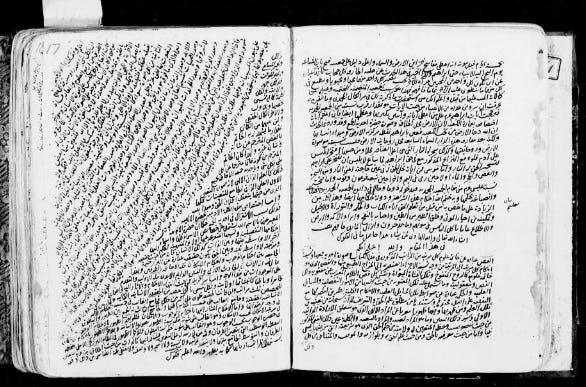
<div><figure><a href="https://substackcdn.com/image/fetch/%24s_!pRZo!,f_auto,q_auto:good,fl_progressive:steep/https%3A%2F%2Fsubstack-post-media.s3.amazonaws.com%2Fpublic%2Fimages%2Fec03a492-6c9d-4b80-8b14-a8bece103027_586x387.png"></a><div><a href="https://substackcdn.com/image/fetch/%24s_!pRZo!,f_auto,q_auto:good,fl_progressive:steep/https%3A%2F%2Fsubstack-post-media.s3.amazonaws.com%2Fpublic%2Fimages%2Fec03a492-6c9d-4b80-8b14-a8bece103027_586x387.png"></a><source type="image/webp"><a href="https://substackcdn.com/image/fetch/%24s_!pRZo!,f_auto,q_auto:good,fl_progressive:steep/https%3A%2F%2Fsubstack-post-media.s3.amazonaws.com%2Fpublic%2Fimages%2Fec03a492-6c9d-4b80-8b14-a8bece103027_586x387.png"><img src="https://substackcdn.com/image/fetch/$s_!pRZo!,w_1456,c_limit,f_auto,q_auto:good,fl_progressive:steep/https%3A%2F%2Fsubstack-post-media.s3.amazonaws.com%2Fpublic%2Fimages%2Fec03a492-6c9d-4b80-8b14-a8bece103027_586x387.png" width="1456" height="962" alt=""></a></source><a href="https://substackcdn.com/image/fetch/%24s_!pRZo!,f_auto,q_auto:good,fl_progressive:steep/https%3A%2F%2Fsubstack-post-media.s3.amazonaws.com%2Fpublic%2Fimages%2Fec03a492-6c9d-4b80-8b14-a8bece103027_586x387.png"></a><div><a href="https://substackcdn.com/image/fetch/%24s_!pRZo!,f_auto,q_auto:good,fl_progressive:steep/https%3A%2F%2Fsubstack-post-media.s3.amazonaws.com%2Fpublic%2Fimages%2Fec03a492-6c9d-4b80-8b14-a8bece103027_586x387.png"></a><div><a href="https://substackcdn.com/image/fetch/%24s_!pRZo!,f_auto,q_auto:good,fl_progressive:steep/https%3A%2F%2Fsubstack-post-media.s3.amazonaws.com%2Fpublic%2Fimages%2Fec03a492-6c9d-4b80-8b14-a8bece103027_586x387.png"></a></div><a href="https://substackcdn.com/image/fetch/%24s_!pRZo!,f_auto,q_auto:good,fl_progressive:steep/https%3A%2F%2Fsubstack-post-media.s3.amazonaws.com%2Fpublic%2Fimages%2Fec03a492-6c9d-4b80-8b14-a8bece103027_586x387.png"></a></div><a href="https://substackcdn.com/image/fetch/%24s_!pRZo!,f_auto,q_auto:good,fl_progressive:steep/https%3A%2F%2Fsubstack-post-media.s3.amazonaws.com%2Fpublic%2Fimages%2Fec03a492-6c9d-4b80-8b14-a8bece103027_586x387.png"></a></div><a href="https://substackcdn.com/image/fetch/%24s_!pRZo!,f_auto,q_auto:good,fl_progressive:steep/https%3A%2F%2Fsubstack-post-media.s3.amazonaws.com%2Fpublic%2Fimages%2Fec03a492-6c9d-4b80-8b14-a8bece103027_586x387.png"></a></figure></div><p><em>Fusus al-Hikam, the Ringstones of Wisdom, in a copy made in the sixteenth or seventeenth century and bound with a short glossary of Sufi terms. Princeton University Library, Garrett no. 1190Y.</em></p><h3>The Ringstones</h3><div><figure><a href="https://substackcdn.com/image/fetch/%24s_!nxA6!,f_auto,q_auto:good,fl_progressive:steep/https%3A%2F%2Fsubstack-post-media.s3.amazonaws.com%2Fpublic%2Fimages%2F0864995f-14b2-47c1-93f6-10135da88722_4256x2832.jpeg"></a><div><a href="https://substackcdn.com/image/fetch/%24s_!nxA6!,f_auto,q_auto:good,fl_progressive:steep/https%3A%2F%2Fsubstack-post-media.s3.amazonaws.com%2Fpublic%2Fimages%2F0864995f-14b2-47c1-93f6-10135da88722_4256x2832.jpeg"></a><source type="image/webp"><a href="https://substackcdn.com/image/fetch/%24s_!nxA6!,f_auto,q_auto:good,fl_progressive:steep/https%3A%2F%2Fsubstack-post-media.s3.amazonaws.com%2Fpublic%2Fimages%2F0864995f-14b2-47c1-93f6-10135da88722_4256x2832.jpeg"><img src="https://substackcdn.com/image/fetch/$s_!nxA6!,w_1456,c_limit,f_auto,q_auto:good,fl_progressive:steep/https%3A%2F%2Fsubstack-post-media.s3.amazonaws.com%2Fpublic%2Fimages%2F0864995f-14b2-47c1-93f6-10135da88722_4256x2832.jpeg" width="1456" height="969" alt=""></a></source><a href="https://substackcdn.com/image/fetch/%24s_!nxA6!,f_auto,q_auto:good,fl_progressive:steep/https%3A%2F%2Fsubstack-post-media.s3.amazonaws.com%2Fpublic%2Fimages%2F0864995f-14b2-47c1-93f6-10135da88722_4256x2832.jpeg"></a><div><a href="https://substackcdn.com/image/fetch/%24s_!nxA6!,f_auto,q_auto:good,fl_progressive:steep/https%3A%2F%2Fsubstack-post-media.s3.amazonaws.com%2Fpublic%2Fimages%2F0864995f-14b2-47c1-93f6-10135da88722_4256x2832.jpeg"></a><div><a href="https://substackcdn.com/image/fetch/%24s_!nxA6!,f_auto,q_auto:good,fl_progressive:steep/https%3A%2F%2Fsubstack-post-media.s3.amazonaws.com%2Fpublic%2Fimages%2F0864995f-14b2-47c1-93f6-10135da88722_4256x2832.jpeg"></a></div><a href="https://substackcdn.com/image/fetch/%24s_!nxA6!,f_auto,q_auto:good,fl_progressive:steep/https%3A%2F%2Fsubstack-post-media.s3.amazonaws.com%2Fpublic%2Fimages%2F0864995f-14b2-47c1-93f6-10135da88722_4256x2832.jpeg"></a></div><a href="https://substackcdn.com/image/fetch/%24s_!nxA6!,f_auto,q_auto:good,fl_progressive:steep/https%3A%2F%2Fsubstack-post-media.s3.amazonaws.com%2Fpublic%2Fimages%2F0864995f-14b2-47c1-93f6-10135da88722_4256x2832.jpeg"></a></div><a href="https://substackcdn.com/image/fetch/%24s_!nxA6!,f_auto,q_auto:good,fl_progressive:steep/https%3A%2F%2Fsubstack-post-media.s3.amazonaws.com%2Fpublic%2Fimages%2F0864995f-14b2-47c1-93f6-10135da88722_4256x2832.jpeg"></a></figure></div><p><em>The Salimiyya Takiyya, on the slope of Mount Qasiyun in Damascus, built over Ibn Arabi’s grave. </em></p><p>Ibn Arabi was born in Murcia, in al-Andalus, travelled east, and spent his last years in Damascus. There, he says, he saw the Prophet in a dream holding a book. The Prophet told him its title, the Ringstones of Wisdom, and told him to take it out to people so they could benefit from it. Ibn Arabi wrote that he set it down as it was given, adding nothing and leaving nothing out, and that he was neither a prophet nor a messenger, only an heir.</p><p><em>Fass</em> in Arabic is the bezel of a ring, the setting that holds the stone, and sometimes the stone itself. The book has twenty-seven of them. Each chapter is headed with a kind of wisdom and the prophet whose “word” holds it: the wisdom of opening in the word of Salih, the wisdom of the Real in the word of Isaac, the wisdom of breathing out in the word of Seth. In the first chapter he turns the image around. The human being is the stone, and the cosmos is the ring it is set in. A ring like that was used as a seal, and Ibn Arabi says that as long as the seal of the perfect human is on the world’s treasury, no one dares open it.</p><p>It is a short book, about 180 pages in the standard Arabic edition against the thousands of his <em>Meccan Openings</em>, and it became the one his readers fought over. More than a hundred commentaries were written on it. A century after his death the historian al-Dhahabi called it the worst thing he wrote, and said that if it held no unbelief, there was no unbelief anywhere in the world.</p><p>On his way home from conquering Egypt, the Ottoman sultan Selim I had a mosque and Sufi lodge built over Ibn Arabi’s grave in Damascus. It was the first Ottoman building in Syria.</p><p>Watch: <a href="https://www.youtube.com/watch?v=t1TMqZuSDas">Ibn Al-Arabi: The Mystic Who Rewrote Reality</a></p><div><hr></div><h3>Kun</h3><div><figure><a href="https://substackcdn.com/image/fetch/%24s_!HEAX!,f_auto,q_auto:good,fl_progressive:steep/https%3A%2F%2Fsubstack-post-media.s3.amazonaws.com%2Fpublic%2Fimages%2Fbea3e71a-764c-4d6d-bba8-6709dedbc604_6016x4016.jpeg"></a><div><a href="https://substackcdn.com/image/fetch/%24s_!HEAX!,f_auto,q_auto:good,fl_progressive:steep/https%3A%2F%2Fsubstack-post-media.s3.amazonaws.com%2Fpublic%2Fimages%2Fbea3e71a-764c-4d6d-bba8-6709dedbc604_6016x4016.jpeg"></a><source type="image/webp"><a href="https://substackcdn.com/image/fetch/%24s_!HEAX!,f_auto,q_auto:good,fl_progressive:steep/https%3A%2F%2Fsubstack-post-media.s3.amazonaws.com%2Fpublic%2Fimages%2Fbea3e71a-764c-4d6d-bba8-6709dedbc604_6016x4016.jpeg"><img src="https://substackcdn.com/image/fetch/$s_!HEAX!,w_1456,c_limit,f_auto,q_auto:good,fl_progressive:steep/https%3A%2F%2Fsubstack-post-media.s3.amazonaws.com%2Fpublic%2Fimages%2Fbea3e71a-764c-4d6d-bba8-6709dedbc604_6016x4016.jpeg" width="1456" height="972" alt=""></a></source><a href="https://substackcdn.com/image/fetch/%24s_!HEAX!,f_auto,q_auto:good,fl_progressive:steep/https%3A%2F%2Fsubstack-post-media.s3.amazonaws.com%2Fpublic%2Fimages%2Fbea3e71a-764c-4d6d-bba8-6709dedbc604_6016x4016.jpeg"></a><div><a href="https://substackcdn.com/image/fetch/%24s_!HEAX!,f_auto,q_auto:good,fl_progressive:steep/https%3A%2F%2Fsubstack-post-media.s3.amazonaws.com%2Fpublic%2Fimages%2Fbea3e71a-764c-4d6d-bba8-6709dedbc604_6016x4016.jpeg"></a><div><a href="https://substackcdn.com/image/fetch/%24s_!HEAX!,f_auto,q_auto:good,fl_progressive:steep/https%3A%2F%2Fsubstack-post-media.s3.amazonaws.com%2Fpublic%2Fimages%2Fbea3e71a-764c-4d6d-bba8-6709dedbc604_6016x4016.jpeg"></a></div><a href="https://substackcdn.com/image/fetch/%24s_!HEAX!,f_auto,q_auto:good,fl_progressive:steep/https%3A%2F%2Fsubstack-post-media.s3.amazonaws.com%2Fpublic%2Fimages%2Fbea3e71a-764c-4d6d-bba8-6709dedbc604_6016x4016.jpeg"></a></div><a href="https://substackcdn.com/image/fetch/%24s_!HEAX!,f_auto,q_auto:good,fl_progressive:steep/https%3A%2F%2Fsubstack-post-media.s3.amazonaws.com%2Fpublic%2Fimages%2Fbea3e71a-764c-4d6d-bba8-6709dedbc604_6016x4016.jpeg"></a></div><a href="https://substackcdn.com/image/fetch/%24s_!HEAX!,f_auto,q_auto:good,fl_progressive:steep/https%3A%2F%2Fsubstack-post-media.s3.amazonaws.com%2Fpublic%2Fimages%2Fbea3e71a-764c-4d6d-bba8-6709dedbc604_6016x4016.jpeg"></a></figure></div><p><em>Qasr al-Farid, the “solitary castle,” at Hegra in northwestern Arabia, carved out of a single boulder for a man named Lihyan son of Kuza and never finished. No one was ever buried in it. Photograph by Carole Raddato,</em></p><p>The word is <em>kun</em>, be. In Arabic it is two letters, <em>kaf</em> and <em>nun</em>. The command drops a letter from the verb “to be”; put back the <em>waw</em> and you have <em>kawn</em>, which means being, and also the cosmos. The Quran uses the phrase <em>kun fa-yakun</em>, “Be, and it is,” eight times.</p><p>Ibn Arabi reads it most closely in his chapter on Salih. In the Quran, Salih is the prophet sent to Thamud, a people who carved their houses out of the mountains. They asked him for a sign, and in the old telling a she-camel walked out of solid rock. Tradition later attached Thamud to the Nabataean tomb city of Hegra, which is still called Mada’in Salih, the cities of Salih. Ibn Arabi heads the chapter the Wisdom of Opening.</p><blockquote><p>Know, God grant you success, that the affair is built, in itself, on oddness, and oddness has triplicity, for it comes from three. Three is the first of the odd numbers. From this divine presence the world came to be. He said: <em>Our only word to a thing, when We will it, is that We say to it, Be, and it is.</em> Here is an Essence possessing will and word. Were it not for this Essence and its will, which is the relation of turning toward the bringing-to-be of some particular thing, and then were it not for His saying Be to that thing at the moment of turning, that thing would not have been. Then the triple oddness appeared in that thing as well, and through it, from the thing’s own side, its coming-to-be and its being described by existence were made sound. These three are its thingness, its hearing, and its obedience to the command of the One who brings it to be.</p><p>So it met three with three. Its fixed self, in the state of its non-existence, stands against the Essence of the One who brings it into existence. Its hearing stands against His will. Its acceptance, obeying the command to come to be, stands against His saying Be. And it was. He attributed the coming-to-be to the thing itself. Had it not been within its power to come to be from itself at that word, it would not have come to be. So nothing brought this thing into existence, after it was not, at the command to come to be, except itself. God established that the coming-to-be belongs to the thing itself, not to God. What belongs to God in it is His command alone.</p><p>It is like a master who is feared and never disobeyed. He says to his slave, Stand, and the slave stands in obedience to his master’s command. The master has nothing in this slave’s standing except his command to stand. The standing is the slave’s act, not the master’s.</p></blockquote><p><em>Ibn Arabi, Fusus al-Hikam, the Word of Salih, translated by SpiritualRelief</em></p><p>Three on each side. On the side of the one who speaks: an essence, a will, a word. On the side of the thing: a fixed self that is already something before it exists, a hearing, and an obedience. <em>Kun</em> is only ever said to something that can hear it, and when the word comes, the thing stands up by its own power, the way the slave stands. Ibn Arabi’s word for that obedience is <em>imtithal</em>.</p><p>He finds the same three in logic. A proof needs two premises, each with two terms, four in all, and one term has to appear in both to join them, so the proof runs on three. His example: everything that comes into being has a cause; the world came into being; so the world has a cause.</p><p>The chapter then turns to Thamud’s three days. When they killed the camel, Salih told them to enjoy their houses for three days before the punishment came. The commentators say their faces turned yellow on the first day, red on the second and black on the third, and then the Cry took them. Ibn Arabi sets the three colors against the three words the Quran uses for the faces of the blessed on the last day, shining, laughing and rejoicing, and points out that the word for good news, <em>bushra</em>, comes from the same root as <em>bashara</em>, skin. News of either kind, in his reading, shows on the skin, and what showed on Thamud’s faces came out of what they already were.</p><p>He closes the chapter with an old Arab proverb, <em>yadaka awkata wa fuka nafakh</em>: your hands tied it and your mouth blew it. The story behind it is about people crossing to an island on waterskins they had blown up themselves. One man tied his badly, and when it gave way under him and he called for help, the answer came back: what is it to me? Your hands tied it and your mouth blew it.</p><div><hr></div><h3>The Orphan Pearl</h3><div><figure><a href="https://substackcdn.com/image/fetch/%24s_!317k!,f_auto,q_auto:good,fl_progressive:steep/https%3A%2F%2Fsubstack-post-media.s3.amazonaws.com%2Fpublic%2Fimages%2F74536bd0-a684-499d-8931-0e3e70a0ac99_604x1024.jpeg"></a><div><a href="https://substackcdn.com/image/fetch/%24s_!317k!,f_auto,q_auto:good,fl_progressive:steep/https%3A%2F%2Fsubstack-post-media.s3.amazonaws.com%2Fpublic%2Fimages%2F74536bd0-a684-499d-8931-0e3e70a0ac99_604x1024.jpeg"></a><source type="image/webp"><a href="https://substackcdn.com/image/fetch/%24s_!317k!,f_auto,q_auto:good,fl_progressive:steep/https%3A%2F%2Fsubstack-post-media.s3.amazonaws.com%2Fpublic%2Fimages%2F74536bd0-a684-499d-8931-0e3e70a0ac99_604x1024.jpeg"><img src="https://substackcdn.com/image/fetch/$s_!317k!,w_1456,c_limit,f_auto,q_auto:good,fl_progressive:steep/https%3A%2F%2Fsubstack-post-media.s3.amazonaws.com%2Fpublic%2Fimages%2F74536bd0-a684-499d-8931-0e3e70a0ac99_604x1024.jpeg" width="1456" height="2468" alt=""></a></source><a href="https://substackcdn.com/image/fetch/%24s_!317k!,f_auto,q_auto:good,fl_progressive:steep/https%3A%2F%2Fsubstack-post-media.s3.amazonaws.com%2Fpublic%2Fimages%2F74536bd0-a684-499d-8931-0e3e70a0ac99_604x1024.jpeg"></a><div><a href="https://substackcdn.com/image/fetch/%24s_!317k!,f_auto,q_auto:good,fl_progressive:steep/https%3A%2F%2Fsubstack-post-media.s3.amazonaws.com%2Fpublic%2Fimages%2F74536bd0-a684-499d-8931-0e3e70a0ac99_604x1024.jpeg"></a><div><a href="https://substackcdn.com/image/fetch/%24s_!317k!,f_auto,q_auto:good,fl_progressive:steep/https%3A%2F%2Fsubstack-post-media.s3.amazonaws.com%2Fpublic%2Fimages%2F74536bd0-a684-499d-8931-0e3e70a0ac99_604x1024.jpeg"></a></div><a href="https://substackcdn.com/image/fetch/%24s_!317k!,f_auto,q_auto:good,fl_progressive:steep/https%3A%2F%2Fsubstack-post-media.s3.amazonaws.com%2Fpublic%2Fimages%2F74536bd0-a684-499d-8931-0e3e70a0ac99_604x1024.jpeg"></a></div><a href="https://substackcdn.com/image/fetch/%24s_!317k!,f_auto,q_auto:good,fl_progressive:steep/https%3A%2F%2Fsubstack-post-media.s3.amazonaws.com%2Fpublic%2Fimages%2F74536bd0-a684-499d-8931-0e3e70a0ac99_604x1024.jpeg"></a></div><a href="https://substackcdn.com/image/fetch/%24s_!317k!,f_auto,q_auto:good,fl_progressive:steep/https%3A%2F%2Fsubstack-post-media.s3.amazonaws.com%2Fpublic%2Fimages%2F74536bd0-a684-499d-8931-0e3e70a0ac99_604x1024.jpeg"></a></figure></div><p><em>Ibrahim about to sacrifice his son, with Gabriel bringing the ram. From an Ottoman manuscript of the Hadikat us-suada. The library’s caption names the son Ishmael, as most Muslim tradition does; Ibn Arabi files the dream under Isaac. British Library, Or. 12009, f. 19v.</em></p><p>The secret sits in the chapter on Isaac, which is a chapter about a dream. The Quran tells how Abraham saw in his sleep that he was sacrificing his son, told the boy, and was stopped and given a ram in his place. It never names the son. Most Muslim commentators came to say Ishmael. Ibn Arabi puts the story under Isaac, and opens the chapter with a short poem asking how one small ram could be worth the life of the Merciful’s own deputy.</p><p>His reading is that Abraham made a mistake. Dreams happen in the presence of imagination, and imagination has to be interpreted. The ram had appeared to Abraham in the form of his son, and Abraham took the form at face value. The ransom, as Ibn Arabi puts it, ransomed the boy from his father’s imagining. He sets beside it an Andalusian hadith scholar he calls Taqi ibn Mukhallad, usually identified as Baqi ibn Makhlad of Cordoba, who dreamed that the Prophet gave him milk to drink. Trusting the saying that the devil cannot take the Prophet’s form, he made himself vomit when he woke, and milk came up. Had he interpreted the dream, Ibn Arabi says, he would have known the milk was knowledge, and he lost as much knowledge as he had drunk. The Prophet, handed a cup of milk in a dream of his own, drank until it seemed to run out of his fingernails, passed the rest to Umar, and when asked what it meant, said: knowledge.</p><p>Straight after the dream, Ibn Arabi turns to what the imagination can do when it is held.</p><blockquote><p>By estimation, every human being creates within the power of his imagination something that has no existence except there. This is the common matter. The gnostic creates by himma something that has existence outside the seat of the himma. But the himma never ceases to guard it, and guarding it does not weary him. Whenever heedlessness comes over the gnostic, so that he neglects to guard what he created, that created thing ceases to exist, unless the gnostic has mastered all the presences and is never wholly heedless. He always has some presence that he witnesses. If the gnostic creates something by his himma and possesses this comprehensiveness, the form of what he created appears in every presence, and the forms preserve one another. When he neglects one presence, or several, while witnessing one, all the forms are preserved by his guarding of the form in the presence he has not neglected. For heedlessness is never total, among the common people or among the elect.</p><p>I have made plain here a secret that the people of God have always guarded jealously, because it overturns their claim to be the Real. The Real is never heedless, and the servant must be heedless of one thing for the sake of another. Insofar as he guards what he has created, he says, I am the Real. But his guarding is not the guarding of the Real, and in that lies the difference. Insofar as he is heedless of any form and its presence, the servant is set apart from the Real. This is guarding by inclusion. The Real guards what He creates one form at a time.</p><p>No one has ever set this question down in a book, not I and not anyone else, except in this book. It is the orphan pearl of the age. Beware of growing heedless of it.</p></blockquote><p><em>Ibn Arabi, Fusus al-Hikam, the Word of Isaac, translated by SpiritualRelief</em></p><p>“Estimation” is <em>wahm</em>, the estimative power in Avicenna’s account of the soul, the faculty that pictures what the senses do not show. The Latin schools called it <em>estimatio</em>. Everyone makes images with it, and Ibn Arabi calls that the common matter. <em>Himma</em> is resolve, every scattered wish gathered to one point and held there, and the gnostic, the <em>‘arif</em>, the one who knows by direct experience, uses it to make something that exists outside his own head. The presences, <em>hadarat</em>, are the levels of being: the world of the senses, the world of images, the world of spirits and the rest. A gnostic who keeps even one of them in view keeps what he made alive in all of them.</p><p>“Guarding it does not weary him” is lifted from the Throne Verse of the Quran (2:255), which says the guarding of the heavens and the earth does not weary God, and a few words earlier, that neither drowsiness nor sleep takes hold of Him. Neville sent his students into the drowsy edge of sleep to plant their scene. Ibn Arabi’s gnostic belongs to the side of the verse that drowses. To look at one thing, he has to look away from another.</p><p>“I am the Real,” <em>ana al-Haqq</em>, is the sentence the tradition ties to al-Hallaj, executed in Baghdad in 922. Ibn Arabi lets the gnostic say it for exactly as long as his attention holds what he made. The Real never looks away; the gnostic has to. So every made thing that fades shows its maker that he is a servant, and that is why the people of God kept the secret close. It overturns their claim to be the Real.</p><p>The last line uses the same word, <em>ghafla</em>, heedlessness, that kills the made thing three paragraphs earlier. The secret is one of its own creations. Stop guarding it and it is gone.</p><div><figure><a href="https://substackcdn.com/image/fetch/%24s_!SaQa!,f_auto,q_auto:good,fl_progressive:steep/https%3A%2F%2Fsubstack-post-media.s3.amazonaws.com%2Fpublic%2Fimages%2Fd922bfca-44e9-40f5-8db2-caa247264a97_1193x1800.jpeg"></a><div><a href="https://substackcdn.com/image/fetch/%24s_!SaQa!,f_auto,q_auto:good,fl_progressive:steep/https%3A%2F%2Fsubstack-post-media.s3.amazonaws.com%2Fpublic%2Fimages%2Fd922bfca-44e9-40f5-8db2-caa247264a97_1193x1800.jpeg"></a><source type="image/webp"><a href="https://substackcdn.com/image/fetch/%24s_!SaQa!,f_auto,q_auto:good,fl_progressive:steep/https%3A%2F%2Fsubstack-post-media.s3.amazonaws.com%2Fpublic%2Fimages%2Fd922bfca-44e9-40f5-8db2-caa247264a97_1193x1800.jpeg"><img src="https://substackcdn.com/image/fetch/$s_!SaQa!,w_1456,c_limit,f_auto,q_auto:good,fl_progressive:steep/https%3A%2F%2Fsubstack-post-media.s3.amazonaws.com%2Fpublic%2Fimages%2Fd922bfca-44e9-40f5-8db2-caa247264a97_1193x1800.jpeg" width="1456" height="2197" alt=""></a></source><a href="https://substackcdn.com/image/fetch/%24s_!SaQa!,f_auto,q_auto:good,fl_progressive:steep/https%3A%2F%2Fsubstack-post-media.s3.amazonaws.com%2Fpublic%2Fimages%2Fd922bfca-44e9-40f5-8db2-caa247264a97_1193x1800.jpeg"></a><div><a href="https://substackcdn.com/image/fetch/%24s_!SaQa!,f_auto,q_auto:good,fl_progressive:steep/https%3A%2F%2Fsubstack-post-media.s3.amazonaws.com%2Fpublic%2Fimages%2Fd922bfca-44e9-40f5-8db2-caa247264a97_1193x1800.jpeg"></a><div><a href="https://substackcdn.com/image/fetch/%24s_!SaQa!,f_auto,q_auto:good,fl_progressive:steep/https%3A%2F%2Fsubstack-post-media.s3.amazonaws.com%2Fpublic%2Fimages%2Fd922bfca-44e9-40f5-8db2-caa247264a97_1193x1800.jpeg"></a></div><a href="https://substackcdn.com/image/fetch/%24s_!SaQa!,f_auto,q_auto:good,fl_progressive:steep/https%3A%2F%2Fsubstack-post-media.s3.amazonaws.com%2Fpublic%2Fimages%2Fd922bfca-44e9-40f5-8db2-caa247264a97_1193x1800.jpeg"></a></div><a href="https://substackcdn.com/image/fetch/%24s_!SaQa!,f_auto,q_auto:good,fl_progressive:steep/https%3A%2F%2Fsubstack-post-media.s3.amazonaws.com%2Fpublic%2Fimages%2Fd922bfca-44e9-40f5-8db2-caa247264a97_1193x1800.jpeg"></a></div><a href="https://substackcdn.com/image/fetch/%24s_!SaQa!,f_auto,q_auto:good,fl_progressive:steep/https%3A%2F%2Fsubstack-post-media.s3.amazonaws.com%2Fpublic%2Fimages%2Fd922bfca-44e9-40f5-8db2-caa247264a97_1193x1800.jpeg"></a></figure></div><p><em>The Hanging of Mansur al-Hallaj, from a Mughal copy of the poems of Amir Hasan Dihlavi, 1602. Walters Art Museum, W.650.</em></p><p>Watch: <a href="https://www.youtube.com/watch?v=dDDbcLOj2z8">The Sufi Mystic Who Spoke Reality Into Existence: Hallaj’s Forbidden Text</a></p><div><hr></div><h3>Three Askings</h3><div><figure><div><div><source type="image/webp"><img src="https://substackcdn.com/image/fetch/$s_!cYoV!,w_1456,c_limit,f_auto,q_auto:good,fl_progressive:steep/https%3A%2F%2Fsubstack-post-media.s3.amazonaws.com%2Fpublic%2Fimages%2F22e5c2ca-d829-4efa-880a-485ccd4679a1_200x149.jpeg" width="1456" height="1085" alt=""></source><div></div></div></div></figure></div><p><em>Mount Arafat and the camp of the Egyptian pilgrims, 1880, photographed by Muhammad Sadiq Bey, treasurer of the Egyptian pilgrim caravan and the first person to photograph Mecca and the Hajj. Qatar National Library.</em></p><p>Seth does not appear in the Quran. Ibn Arabi takes him from Genesis, where Eve names her third son because “God, said she, hath appointed me another seed instead of Abel, whom Cain slew,” and he reads the name as the gift of God. His chapter is about gifts, which come either from the divine essence or from the divine names, and about the asking that brings them. He heads it the Wisdom of Breathing Out.</p><p>Some people ask, he says, out of the hurry humans were made with. Some ask in case the thing they want is one of the gifts that only come when asked for. And some ask only because they were told to ask. Then he goes underneath all of them.</p><blockquote><p>As for the gifts that come without asking: by asking we meant only the uttering of it. In the fact of the matter there must always be an asking, in words, or by the state, or by the preparedness. In the same way, praise is never unconditioned except in words. In meaning, the state always conditions it. What moves you to praise God is the very thing that ties you to one of His names, a name of act or a name of transcendence.</p><p>The servant’s preparedness is not felt by its owner. He feels the state, because he knows what moves him, and that is the state. So preparedness is the most hidden asking.</p><p>What keeps these people from asking is their knowledge that God’s decree about them went before. They have made their place ready to receive whatever comes from Him, and they are absent from themselves and their aims.</p><p>Among them is one who knows that God’s knowledge of him, in all his states, is what he was in the fixity of his entity before it existed, and knows that the Real gives him nothing except what his entity gave the Real to know of it, which is what he was in his fixity. So he knows where God’s knowledge of him came from. There is no class among the people of God higher or more unveiled than this one. They are the ones who stand on the secret of destiny.</p></blockquote><p><em>Ibn Arabi, Fusus al-Hikam, the Word of Seth, translated by SpiritualRelief</em></p><p>The first asking is words. The second is the state, which is Neville’s <em>Feeling Is the Secret</em> in one line. The third is preparedness, <em>isti’dad</em>, the capacity a thing has to receive. You feel your state, because you know what moves you. You cannot feel your preparedness, because it is what you are. Abd al-Razzaq al-Qashani, one of the book’s early commentators, gives the rule in one line: every gift needs the asking of preparedness, and that asking is never left without its gift.</p><p>Where does a preparedness come from? Ibn Arabi’s answer is the fixed entity, <em>al-’ayn al-thabita</em>, what a thing is in God’s knowledge before it exists. God knows it as it is and gives it what it is, and he calls this the secret of destiny, <em>sirr al-qadar</em>. Manifesting teachers say the version of you that already has the thing exists somewhere. Ibn Arabi’s version is older: it is what you were before you were, and nothing reaches you that it did not ask for.</p><p>Earlier in the same chapter, every asking in words gets one answer at once: <em>labbayk</em>, here I am, the word pilgrims call out on the road to Mecca. Only the thing asked for keeps its own calendar.</p><p>The chapter ends with a prophecy. Seth’s knowledge, Ibn Arabi writes, will be carried by the last child ever born to the human race. He will be born in China and speak its language, with a sister born just before him, his head at her feet. By then men and women will have stopped having children. He will call them to God and no one will answer, and after he and the last believers die, the rest will live like animals until the Hour.</p><p>Watch: <a href="https://www.youtube.com/watch?v=qpt5Cv6Q1l0">The Day of Alast: The Promise You Made Before You Were Born</a></p><div><hr></div><h3>The Delayed Answer</h3><div><figure><a href="https://substackcdn.com/image/fetch/%24s_!Bkmm!,f_auto,q_auto:good,fl_progressive:steep/https%3A%2F%2Fsubstack-post-media.s3.amazonaws.com%2Fpublic%2Fimages%2F1bdb332b-24b9-4008-8e41-218652d3d0de_1181x1800.jpeg"></a><div><a href="https://substackcdn.com/image/fetch/%24s_!Bkmm!,f_auto,q_auto:good,fl_progressive:steep/https%3A%2F%2Fsubstack-post-media.s3.amazonaws.com%2Fpublic%2Fimages%2F1bdb332b-24b9-4008-8e41-218652d3d0de_1181x1800.jpeg"></a><source type="image/webp"><a href="https://substackcdn.com/image/fetch/%24s_!Bkmm!,f_auto,q_auto:good,fl_progressive:steep/https%3A%2F%2Fsubstack-post-media.s3.amazonaws.com%2Fpublic%2Fimages%2F1bdb332b-24b9-4008-8e41-218652d3d0de_1181x1800.jpeg"><img src="https://substackcdn.com/image/fetch/$s_!Bkmm!,w_1456,c_limit,f_auto,q_auto:good,fl_progressive:steep/https%3A%2F%2Fsubstack-post-media.s3.amazonaws.com%2Fpublic%2Fimages%2F1bdb332b-24b9-4008-8e41-218652d3d0de_1181x1800.jpeg" width="1456" height="2219" alt=""></a></source><a href="https://substackcdn.com/image/fetch/%24s_!Bkmm!,f_auto,q_auto:good,fl_progressive:steep/https%3A%2F%2Fsubstack-post-media.s3.amazonaws.com%2Fpublic%2Fimages%2F1bdb332b-24b9-4008-8e41-218652d3d0de_1181x1800.jpeg"></a><div><a href="https://substackcdn.com/image/fetch/%24s_!Bkmm!,f_auto,q_auto:good,fl_progressive:steep/https%3A%2F%2Fsubstack-post-media.s3.amazonaws.com%2Fpublic%2Fimages%2F1bdb332b-24b9-4008-8e41-218652d3d0de_1181x1800.jpeg"></a><div><a href="https://substackcdn.com/image/fetch/%24s_!Bkmm!,f_auto,q_auto:good,fl_progressive:steep/https%3A%2F%2Fsubstack-post-media.s3.amazonaws.com%2Fpublic%2Fimages%2F1bdb332b-24b9-4008-8e41-218652d3d0de_1181x1800.jpeg"></a></div><a href="https://substackcdn.com/image/fetch/%24s_!Bkmm!,f_auto,q_auto:good,fl_progressive:steep/https%3A%2F%2Fsubstack-post-media.s3.amazonaws.com%2Fpublic%2Fimages%2F1bdb332b-24b9-4008-8e41-218652d3d0de_1181x1800.jpeg"></a></div><a href="https://substackcdn.com/image/fetch/%24s_!Bkmm!,f_auto,q_auto:good,fl_progressive:steep/https%3A%2F%2Fsubstack-post-media.s3.amazonaws.com%2Fpublic%2Fimages%2F1bdb332b-24b9-4008-8e41-218652d3d0de_1181x1800.jpeg"></a></div><a href="https://substackcdn.com/image/fetch/%24s_!Bkmm!,f_auto,q_auto:good,fl_progressive:steep/https%3A%2F%2Fsubstack-post-media.s3.amazonaws.com%2Fpublic%2Fimages%2F1bdb332b-24b9-4008-8e41-218652d3d0de_1181x1800.jpeg"></a></figure></div><p><em>Mary and Jesus, a Safavid painting from Walters manuscript W.668, identified by its inscription. Walters Art Museum.</em></p><p>Ibn Arabi said the turning of his early teens, the opening that set him on the path, happened at the hands of Jesus. His chapter on Jesus begins with a poem on how Jesus was made, from Mary’s water or from Gabriel’s breath, in a human form of clay.</p><p>The breath matters to him. Whatever a spirit treads on, Ibn Arabi says, comes alive, and he takes as proof the Samiri, the man in the Quran who made the golden calf while Moses was on the mountain. The Samiri saw Gabriel pass, took a handful of dust from his tracks, and threw it into the calf, and the calf lowed. Had the idol been cast in another shape, Ibn Arabi says, it would have made that creature’s sound: the grumble of a camel, the bleat of a sheep, a human voice. When Gabriel appeared to Mary as a man, she was frightened and took refuge in God. Had he breathed Jesus into her at that moment, Ibn Arabi writes, the child would have been born so ill-tempered that no one could have stood him. Gabriel waited until he had told her he was a messenger and her fear had lifted.</p><p>The passage below hangs on one verse, the words Jesus speaks to God for his followers: “If You punish them, they are Your servants, and if You forgive them, You are the Mighty, the Wise” (5:118). Abu Dharr reported that the Prophet once stood in prayer a whole night repeating that verse and nothing else until dawn. In a longer version of the report, his companions asked what answer he had been given, and he said it was such that, if people knew it, many would give up praying.</p><blockquote><p>It has come down that when the Real loves the voice of His servant calling on Him, He delays the answer so that the servant will say it again, out of love for him and not turning away from him. That is why the verse closes with the name the Wise. The Wise puts things in their places and never turns them from what their realities, with their attributes, require and ask for. The Wise is the one who knows the order. So the Prophet, in repeating this verse, stood in great knowledge from God. Whoever recites, let him recite like this. Otherwise silence suits him better. When God brings a servant to speak of something, He has brought him to it only because He already wills to answer him in it and fulfil his need. So let no one find slow what is held in the thing he was brought to say. Let him persist, as the Messenger of God persisted with this verse in all his states, until he hears with his ear, or with his hearing, as you like, how God makes you hear the answer. If He repays you for the asking of the tongue, He makes you hear with your ear. If He repays you in meaning, He makes you hear with your hearing.</p></blockquote><p><em>Ibn Arabi, Fusus al-Hikam, the Word of Jesus, translated by SpiritualRelief</em></p><p>The ear and the hearing are two different things here. An asking made with the tongue is answered to the ear, in words. An asking made in meaning is answered to the hearing, the faculty behind the ear, as an understanding. Neville’s word for staying with the asking was persistence. Ibn Arabi gives the reason for it: the answer waits because the voice asking is wanted. The Wise is the name that knows the order things come in, and the delay is part of the order.</p><p>Watch: <a href="https://www.youtube.com/watch?v=b9EvYCo3w1A">Pray This Before Dawn and Feel the Difference | 33 Sufi Prayers of Ibn Arabi</a></p><div><hr></div><h3>Fifteen Years</h3><div><figure><a href="https://substackcdn.com/image/fetch/%24s_!cXqW!,f_auto,q_auto:good,fl_progressive:steep/https%3A%2F%2Fsubstack-post-media.s3.amazonaws.com%2Fpublic%2Fimages%2F86c0387a-da81-436d-945a-effa2c57cb43_250x300.jpeg"></a><div><a href="https://substackcdn.com/image/fetch/%24s_!cXqW!,f_auto,q_auto:good,fl_progressive:steep/https%3A%2F%2Fsubstack-post-media.s3.amazonaws.com%2Fpublic%2Fimages%2F86c0387a-da81-436d-945a-effa2c57cb43_250x300.jpeg"></a><source type="image/webp"><a href="https://substackcdn.com/image/fetch/%24s_!cXqW!,f_auto,q_auto:good,fl_progressive:steep/https%3A%2F%2Fsubstack-post-media.s3.amazonaws.com%2Fpublic%2Fimages%2F86c0387a-da81-436d-945a-effa2c57cb43_250x300.jpeg"><img src="https://substackcdn.com/image/fetch/$s_!cXqW!,w_1456,c_limit,f_auto,q_auto:good,fl_progressive:steep/https%3A%2F%2Fsubstack-post-media.s3.amazonaws.com%2Fpublic%2Fimages%2F86c0387a-da81-436d-945a-effa2c57cb43_250x300.jpeg" width="1456" height="1747" alt=""></a></source><a href="https://substackcdn.com/image/fetch/%24s_!cXqW!,f_auto,q_auto:good,fl_progressive:steep/https%3A%2F%2Fsubstack-post-media.s3.amazonaws.com%2Fpublic%2Fimages%2F86c0387a-da81-436d-945a-effa2c57cb43_250x300.jpeg"></a><div><a href="https://substackcdn.com/image/fetch/%24s_!cXqW!,f_auto,q_auto:good,fl_progressive:steep/https%3A%2F%2Fsubstack-post-media.s3.amazonaws.com%2Fpublic%2Fimages%2F86c0387a-da81-436d-945a-effa2c57cb43_250x300.jpeg"></a><div><a href="https://substackcdn.com/image/fetch/%24s_!cXqW!,f_auto,q_auto:good,fl_progressive:steep/https%3A%2F%2Fsubstack-post-media.s3.amazonaws.com%2Fpublic%2Fimages%2F86c0387a-da81-436d-945a-effa2c57cb43_250x300.jpeg"></a></div><a href="https://substackcdn.com/image/fetch/%24s_!cXqW!,f_auto,q_auto:good,fl_progressive:steep/https%3A%2F%2Fsubstack-post-media.s3.amazonaws.com%2Fpublic%2Fimages%2F86c0387a-da81-436d-945a-effa2c57cb43_250x300.jpeg"></a></div><a href="https://substackcdn.com/image/fetch/%24s_!cXqW!,f_auto,q_auto:good,fl_progressive:steep/https%3A%2F%2Fsubstack-post-media.s3.amazonaws.com%2Fpublic%2Fimages%2F86c0387a-da81-436d-945a-effa2c57cb43_250x300.jpeg"></a></div><a href="https://substackcdn.com/image/fetch/%24s_!cXqW!,f_auto,q_auto:good,fl_progressive:steep/https%3A%2F%2Fsubstack-post-media.s3.amazonaws.com%2Fpublic%2Fimages%2F86c0387a-da81-436d-945a-effa2c57cb43_250x300.jpeg"></a></figure></div><p><em>Lut leaves the doomed city with his daughters while his wife is struck by a falling rock. Manuscript painting reproduced on Wikipedia’s page on Lot in Islam.</em></p><p>Angels have come to Lot’s house as guests, the men of the town are at his door, and Lot says, “If only I had strength against you, or could take refuge in a strong support” (11:80). Ibn Arabi recalls that the Prophet said, may God have mercy on my brother Lot, he took refuge in a strong support, meaning God. From then on, Ibn Arabi adds, every prophet was sent with a clan to shelter him, as Muhammad had his uncle Abu Talib, and no prophet was sent before forty, the age when a man’s strength starts to turn back toward the weakness he was made from.</p><p>He reads Lot’s “strength” as <em>himma</em>, and asks your question for you.</p><blockquote><p>If you say: What kept him from the effective himma, when it is found among the wayfarers who follow, and the messengers have more right to it? We say: You speak truly, but you lack another knowledge. Gnosis leaves the himma no free disposal. The higher a man’s gnosis climbs, the less he disposes by himma. This is for two reasons. The first is his realization of the station of servanthood and his gaze on the root of his natural creation. The second is the oneness of the one who disposes and the one disposed over. He sees no one at whom to send his himma, and this stops him.</p><p>In this witnessing he sees that the one who contends with him has not swerved from the reality he had in the fixity of his entity, in the state of his non-existence. Nothing appeared in existence except what it was in the state of non-existence, in fixity. It has not overstepped its reality or broken from its way. To call this a contention is an accident shown by the veil over people’s eyes, as God said of them: <em>But most people do not know. They know an outward part of the life of this world, and of the hereafter they are heedless.</em> That word is the other one turned over, from their saying, <em>Our hearts are wrapped</em>: in a wrapping, that is, the cover that hides them from perceiving the affair as it is. This, and the like of it, keeps the gnostic from free disposal in the world.</p><p>Shaykh Abu Abd Allah ibn Qa’id said to Shaykh Abu al-Su’ud ibn al-Shibl: Why do you not dispose? Abu al-Su’ud said: I have left the Real to dispose for me as He wills. He meant the word of God, commanding: <em>So take Him as a guardian.</em> The guardian is the one who disposes, the more so since he had heard God say: <em>Spend from that in which He has made you successors.</em> Abu al-Su’ud and the gnostics knew that the affair in their hands is not theirs, and that they hold it as deputies. Then the Real said to him: This affair in which I have made you deputy and given you possession, take Me as guardian in it. And Abu al-Su’ud obeyed the command of God and took Him as guardian. So how can anyone who witnesses this keep a himma to dispose with? Himma acts only through a gathering that leaves its owner no room for anything but what it is gathered on, and this knowledge scatters him out of that gathering. So the gnostic of complete gnosis appears in the utmost incapacity and weakness.</p></blockquote><p><em>Ibn Arabi, Fusus al-Hikam, the Word of Lot, translated by SpiritualRelief</em></p><p>The middle paragraph turns on letters. The printed Arabic says the word is <em>maqlub</em>, turned over. <em>Ghafilun</em>, heedless, is built on the letters <em>gh-f-l</em>. <em>Ghulf</em>, wrapped, is built on <em>gh-l-f</em>. Ibn Arabi reads the heedless and the wrapped heart as one word spelled in two directions.</p><p>Abu al-Su’ud ibn al-Shibl was a Sufi of Baghdad a generation before Ibn Arabi and a disciple of Abd al-Qadir al-Jilani. Ibn Arabi gives two reasons he left his <em>himma</em> unused. The first is servanthood, the station the orphan pearl uncovered. The second reaches back to <em>kun</em>. The man at Lot’s door is being exactly what he was in his fixed entity. He heard his own <em>kun</em> long ago and has been obeying it ever since. Aim <em>himma</em> at him and you are commanding something already obeying. The gnostic who sees that finds no one to aim at.</p><div><figure><a href="https://substackcdn.com/image/fetch/%24s_!mnI4!,f_auto,q_auto:good,fl_progressive:steep/https%3A%2F%2Fsubstack-post-media.s3.amazonaws.com%2Fpublic%2Fimages%2F3c5d580b-8bc8-4cb7-9c16-1039f111f13e_720x540.jpeg"></a><div><a href="https://substackcdn.com/image/fetch/%24s_!mnI4!,f_auto,q_auto:good,fl_progressive:steep/https%3A%2F%2Fsubstack-post-media.s3.amazonaws.com%2Fpublic%2Fimages%2F3c5d580b-8bc8-4cb7-9c16-1039f111f13e_720x540.jpeg"></a><source type="image/webp"><a href="https://substackcdn.com/image/fetch/%24s_!mnI4!,f_auto,q_auto:good,fl_progressive:steep/https%3A%2F%2Fsubstack-post-media.s3.amazonaws.com%2Fpublic%2Fimages%2F3c5d580b-8bc8-4cb7-9c16-1039f111f13e_720x540.jpeg"><img src="https://substackcdn.com/image/fetch/$s_!mnI4!,w_1456,c_limit,f_auto,q_auto:good,fl_progressive:steep/https%3A%2F%2Fsubstack-post-media.s3.amazonaws.com%2Fpublic%2Fimages%2F3c5d580b-8bc8-4cb7-9c16-1039f111f13e_720x540.jpeg" width="1456" height="1092" alt=""></a></source><a href="https://substackcdn.com/image/fetch/%24s_!mnI4!,f_auto,q_auto:good,fl_progressive:steep/https%3A%2F%2Fsubstack-post-media.s3.amazonaws.com%2Fpublic%2Fimages%2F3c5d580b-8bc8-4cb7-9c16-1039f111f13e_720x540.jpeg"></a><div><a href="https://substackcdn.com/image/fetch/%24s_!mnI4!,f_auto,q_auto:good,fl_progressive:steep/https%3A%2F%2Fsubstack-post-media.s3.amazonaws.com%2Fpublic%2Fimages%2F3c5d580b-8bc8-4cb7-9c16-1039f111f13e_720x540.jpeg"></a><div><a href="https://substackcdn.com/image/fetch/%24s_!mnI4!,f_auto,q_auto:good,fl_progressive:steep/https%3A%2F%2Fsubstack-post-media.s3.amazonaws.com%2Fpublic%2Fimages%2F3c5d580b-8bc8-4cb7-9c16-1039f111f13e_720x540.jpeg"></a></div><a href="https://substackcdn.com/image/fetch/%24s_!mnI4!,f_auto,q_auto:good,fl_progressive:steep/https%3A%2F%2Fsubstack-post-media.s3.amazonaws.com%2Fpublic%2Fimages%2F3c5d580b-8bc8-4cb7-9c16-1039f111f13e_720x540.jpeg"></a></div><a href="https://substackcdn.com/image/fetch/%24s_!mnI4!,f_auto,q_auto:good,fl_progressive:steep/https%3A%2F%2Fsubstack-post-media.s3.amazonaws.com%2Fpublic%2Fimages%2F3c5d580b-8bc8-4cb7-9c16-1039f111f13e_720x540.jpeg"></a></div><a href="https://substackcdn.com/image/fetch/%24s_!mnI4!,f_auto,q_auto:good,fl_progressive:steep/https%3A%2F%2Fsubstack-post-media.s3.amazonaws.com%2Fpublic%2Fimages%2F3c5d580b-8bc8-4cb7-9c16-1039f111f13e_720x540.jpeg"></a></figure></div><p><em>The shrine of Abd al-Qadir al-Jilani, Abu al-Su’ud’s teacher, in Baghdad. Wikimedia Commons.</em></p><p>The same chapter has a story about Abu Madyan, the North African master. One of the <em>abdal</em>, the substitutes, a rank of hidden saints said to keep watch over the regions of the world, sent him a message through a disciple: ask Abu Madyan why nothing is hard for us and everything is hard for him, when we long for his station and he does not want ours. Ibn Arabi says Abu Madyan had reached that station, and adds of himself that he is more complete in weakness and incapacity than Abu Madyan was. He also points to the Prophet. If <em>himma</em> worked on its own, no one had more of it than the Prophet, and his <em>himma</em> could not make his own uncle Abu Talib a Muslim. The verse that came down about it says: you do not guide whom you would like to guide.</p><p>Later in the chapter Ibn Arabi repeats what Abu al-Su’ud told his own companions.</p><blockquote><p>Abu al-Su’ud said to his companions who believed in him: God gave me free disposal fifteen years ago, and we left it out of elegance. This is the tongue of a beloved’s confidence. As for us, we did not leave it out of elegance, which would be leaving it by preference. We left it out of the completeness of gnosis, for gnosis does not call for it as a matter of choice. Whenever the gnostic disposes in the world by himma, it is by a divine command and by compulsion, never by choice.</p></blockquote><p><em>Ibn Arabi, Fusus al-Hikam, the Word of Lot, translated by SpiritualRelief</em></p><p>Abu al-Su’ud sets two words side by side. <em>Tasarruf</em> is free disposal, the power to act on the world as you will. <em>Tazarruf</em> is elegance, the grace of a refined man who declines what he could take. In Arabic they differ by one letter. Ibn Arabi names his tone <em>idlal</em>, the boldness a beloved allows himself because he knows he is loved. Then he corrects him: leaving it out of elegance is still a preference, and complete knowledge leaves nothing to prefer.</p><p>For fifteen years his companions believed in him with nothing to show for it. No sick man rose at his word. No enemy fell. An old commentator on this line notes that he could tell it only to the ones who already believed, because no one else would credit that a man had held that power so long without it once showing.</p><p>In twelfth-century China the Chan master Kuoan Shiyuan drew the path as ten pictures of a herdsman and his ox. The herdsman searches, finds the tracks, catches the ox, tames it, rides it home, forgets it, forgets himself. In the tenth picture he comes back into town, feet and chest bare, in dusty rags, drawn as Budai, the fat laughing monk. His verse says he needs no magic to lengthen his life, and withered trees bloom where he passes. When the gnostic’s <em>himma</em> does move the world, Ibn Arabi says, it is by command and by compulsion. The trees flower without his choosing them.</p><div><figure><a href="https://substackcdn.com/image/fetch/%24s_!31Qc!,f_auto,q_auto:good,fl_progressive:steep/https%3A%2F%2Fsubstack-post-media.s3.amazonaws.com%2Fpublic%2Fimages%2F71a88ca3-efd0-4742-98c8-90110f3f19ce_250x334.jpeg"></a><div><a href="https://substackcdn.com/image/fetch/%24s_!31Qc!,f_auto,q_auto:good,fl_progressive:steep/https%3A%2F%2Fsubstack-post-media.s3.amazonaws.com%2Fpublic%2Fimages%2F71a88ca3-efd0-4742-98c8-90110f3f19ce_250x334.jpeg"></a><source type="image/webp"><a href="https://substackcdn.com/image/fetch/%24s_!31Qc!,f_auto,q_auto:good,fl_progressive:steep/https%3A%2F%2Fsubstack-post-media.s3.amazonaws.com%2Fpublic%2Fimages%2F71a88ca3-efd0-4742-98c8-90110f3f19ce_250x334.jpeg"><img src="https://substackcdn.com/image/fetch/$s_!31Qc!,w_1456,c_limit,f_auto,q_auto:good,fl_progressive:steep/https%3A%2F%2Fsubstack-post-media.s3.amazonaws.com%2Fpublic%2Fimages%2F71a88ca3-efd0-4742-98c8-90110f3f19ce_250x334.jpeg" width="1456" height="1945" alt=""></a></source><a href="https://substackcdn.com/image/fetch/%24s_!31Qc!,f_auto,q_auto:good,fl_progressive:steep/https%3A%2F%2Fsubstack-post-media.s3.amazonaws.com%2Fpublic%2Fimages%2F71a88ca3-efd0-4742-98c8-90110f3f19ce_250x334.jpeg"></a><div><a href="https://substackcdn.com/image/fetch/%24s_!31Qc!,f_auto,q_auto:good,fl_progressive:steep/https%3A%2F%2Fsubstack-post-media.s3.amazonaws.com%2Fpublic%2Fimages%2F71a88ca3-efd0-4742-98c8-90110f3f19ce_250x334.jpeg"></a><div><a href="https://substackcdn.com/image/fetch/%24s_!31Qc!,f_auto,q_auto:good,fl_progressive:steep/https%3A%2F%2Fsubstack-post-media.s3.amazonaws.com%2Fpublic%2Fimages%2F71a88ca3-efd0-4742-98c8-90110f3f19ce_250x334.jpeg"></a></div><a href="https://substackcdn.com/image/fetch/%24s_!31Qc!,f_auto,q_auto:good,fl_progressive:steep/https%3A%2F%2Fsubstack-post-media.s3.amazonaws.com%2Fpublic%2Fimages%2F71a88ca3-efd0-4742-98c8-90110f3f19ce_250x334.jpeg"></a></div><a href="https://substackcdn.com/image/fetch/%24s_!31Qc!,f_auto,q_auto:good,fl_progressive:steep/https%3A%2F%2Fsubstack-post-media.s3.amazonaws.com%2Fpublic%2Fimages%2F71a88ca3-efd0-4742-98c8-90110f3f19ce_250x334.jpeg"></a></div><a href="https://substackcdn.com/image/fetch/%24s_!31Qc!,f_auto,q_auto:good,fl_progressive:steep/https%3A%2F%2Fsubstack-post-media.s3.amazonaws.com%2Fpublic%2Fimages%2F71a88ca3-efd0-4742-98c8-90110f3f19ce_250x334.jpeg"></a></figure></div><p><em>The tenth of the Ten Oxherding Pictures, Return to Society, in the Japanese set traditionally attributed to the monk-painter Tensho Shubun. Wikipedia.</em></p><p>Watch: <a href="https://www.youtube.com/watch?v=ePDRiI3z4f0">The Secret of Secrets in Sufism | Abdul Qadir Jilani | Chapter 1</a></p><div><hr></div><h3>The Plank</h3><div><figure><a href="https://substackcdn.com/image/fetch/%24s_!Yua-!,f_auto,q_auto:good,fl_progressive:steep/https%3A%2F%2Fsubstack-post-media.s3.amazonaws.com%2Fpublic%2Fimages%2F376507c1-f537-43d4-afb2-485b772071ec_357x500.jpeg"></a><div><a href="https://substackcdn.com/image/fetch/%24s_!Yua-!,f_auto,q_auto:good,fl_progressive:steep/https%3A%2F%2Fsubstack-post-media.s3.amazonaws.com%2Fpublic%2Fimages%2F376507c1-f537-43d4-afb2-485b772071ec_357x500.jpeg"></a><source type="image/webp"><a href="https://substackcdn.com/image/fetch/%24s_!Yua-!,f_auto,q_auto:good,fl_progressive:steep/https%3A%2F%2Fsubstack-post-media.s3.amazonaws.com%2Fpublic%2Fimages%2F376507c1-f537-43d4-afb2-485b772071ec_357x500.jpeg"><img src="https://substackcdn.com/image/fetch/$s_!Yua-!,w_1456,c_limit,f_auto,q_auto:good,fl_progressive:steep/https%3A%2F%2Fsubstack-post-media.s3.amazonaws.com%2Fpublic%2Fimages%2F376507c1-f537-43d4-afb2-485b772071ec_357x500.jpeg" width="1456" height="2039" alt=""></a></source><a href="https://substackcdn.com/image/fetch/%24s_!Yua-!,f_auto,q_auto:good,fl_progressive:steep/https%3A%2F%2Fsubstack-post-media.s3.amazonaws.com%2Fpublic%2Fimages%2F376507c1-f537-43d4-afb2-485b772071ec_357x500.jpeg"></a><div><a href="https://substackcdn.com/image/fetch/%24s_!Yua-!,f_auto,q_auto:good,fl_progressive:steep/https%3A%2F%2Fsubstack-post-media.s3.amazonaws.com%2Fpublic%2Fimages%2F376507c1-f537-43d4-afb2-485b772071ec_357x500.jpeg"></a><div><a href="https://substackcdn.com/image/fetch/%24s_!Yua-!,f_auto,q_auto:good,fl_progressive:steep/https%3A%2F%2Fsubstack-post-media.s3.amazonaws.com%2Fpublic%2Fimages%2F376507c1-f537-43d4-afb2-485b772071ec_357x500.jpeg"></a></div><a href="https://substackcdn.com/image/fetch/%24s_!Yua-!,f_auto,q_auto:good,fl_progressive:steep/https%3A%2F%2Fsubstack-post-media.s3.amazonaws.com%2Fpublic%2Fimages%2F376507c1-f537-43d4-afb2-485b772071ec_357x500.jpeg"></a></div><a href="https://substackcdn.com/image/fetch/%24s_!Yua-!,f_auto,q_auto:good,fl_progressive:steep/https%3A%2F%2Fsubstack-post-media.s3.amazonaws.com%2Fpublic%2Fimages%2F376507c1-f537-43d4-afb2-485b772071ec_357x500.jpeg"></a></div><a href="https://substackcdn.com/image/fetch/%24s_!Yua-!,f_auto,q_auto:good,fl_progressive:steep/https%3A%2F%2Fsubstack-post-media.s3.amazonaws.com%2Fpublic%2Fimages%2F376507c1-f537-43d4-afb2-485b772071ec_357x500.jpeg"></a></figure></div><p><em>Le Stryge. Charles Nègre photographed his friend, the photographer Henri Le Secq, beside a chimera at the top of the north tower of Notre-Dame, around 1853. Musée d’Orsay, Paris.</em></p><p>The faculty the orphan pearl starts from, <em>wahm</em>, is the one Avicenna had mapped. He died in Hamadan more than a century before Ibn Arabi was born. Avicenna’s <em>Book of the Soul</em>, which the Latin West read as the <em>Liber de anima</em>, has a man on a plank. Thomas Aquinas, writing a generation after Ibn Arabi died, reports it and argues with it:</p><blockquote><p>It was the theory of Avicenna that matter is far more obedient to spiritual agencies than to the action of contraries in nature. Hence he goes on to say that upon the suggestion of these spiritual agents there sometimes follows an effect in the lower world, such as rain, or the cure of some sick person, without the coming in of any intermediate corporeal agency. He instances the change wrought in the body by the mere suggestion of a strong impression of phantasy, as when one walking upon a plank set aloft easily falls, because his fear pictures a fall to him, whereas he would not fall if the same plank were laid on the ground, giving him no occasion to fear. Again it is notorious that upon the mere suggestion of the soul the body grows hot, as in desire or anger, or is chilled, as in fear. Sometimes too a strong suggestion brings on an illness, a fever, or even leprosy. Thereupon Avicenna says that if the soul is pure, not subject to bodily passions, and strong in its suggestive power, not only its own body will obey its suggestion, but even foreign bodies, even to the healing of the sick upon suggestion made by it. And this he thought to be the cause of the evil eye (fascinationis), that any soul having a strong affection of malevolence is capable of making a noxious impression on another, particularly on a child, who for the tenderness of his constitution is readily susceptible of such impressions.</p></blockquote><p><em>Thomas Aquinas, Summa contra Gentiles III.103, translated by Joseph Rickaby as Of God and His Creatures</em></p><p>Aquinas keeps the plank and refuses the rest. A created spirit, he answers, can change other bodies only by moving them through space. Ibn Arabi’s gnostic, who makes a thing stand outside the seat of his <em>himma</em>, sits between the two of them, after Avicenna and before Aquinas.</p><p>Three centuries on, the plank turns up in the tower library of Michel de Montaigne, east of Bordeaux. Montaigne opens his essay on imagination with the schoolmen’s saying:</p><blockquote><p>Fortis imaginatio generat casum: A strong imagination begetteth chance, say learned clearkes. I am one of those that feele a very great conflict and power of imagination. All men are shockt therewith, and some overthrowne by it. The impression of it pierceth me, and for want of strength to resist hir, my endevor is to avoide it.</p></blockquote><p><em>Michel de Montaigne, Essays I.20, “Of the force of imagination,” translated by John Florio</em></p><p>His examples follow. A condemned man whose blindfold was lifted so he could hear his pardon read was found dead on the scaffold, killed by the stroke of imagination alone. Cipus, whom Montaigne calls a king of Italy, spent a day watching a bullfight, dreamed all night of horns, and woke with horns on his forehead. A scholar named Gallus Vibius studied madness so closely that he went mad. Then, in his longest essay, Montaigne builds the plank higher:</p><blockquote><p>Let a Philosopher be put in a Cage made of small and thin-set yron-wyre, and hanged on the top of our Ladies Church steeple in Paris; he shall, by evident reason, perceive that it is impossible he should fall downe out of it; yet can he not chuse (except he have beene brought up in the trade of Tilers or Thatchers) but the sight of that exceeding height must needes dazle his sight, and amaze or turne his senses. For, we have much adoe to warrant our selves in the walkes or battlements of an high tower or steeple, if they be battlemented and wrought with pillers, and somewhat wide one from another, although of stone, and never so strong. Nay some there are, that can scarcely thinke or heare of such heights. Let a beame or planke be laide acrosse from one of those two steeples to the other, as big, as thicke, as strong, and as broade, as would suffice any man to walke safely upon it, there is no Philosophicall wisedome of so great resolution and constancie, that is able to encourage and perswade us to march upon it, as we would, were it belowe on the ground.</p></blockquote><p><em>Michel de Montaigne, Essays II.12, “An Apologie of Raymond Sebond,” translated by John Florio</em></p><p>He adds that he had often tried it in the mountains of his own country and could not look down the drops without his legs shaking, though he stood well back from the edge.</p><div><figure><a href="https://substackcdn.com/image/fetch/%24s_!aRv5!,f_auto,q_auto:good,fl_progressive:steep/https%3A%2F%2Fsubstack-post-media.s3.amazonaws.com%2Fpublic%2Fimages%2F8198603f-baf4-44e3-bddf-3c493f933ac6_250x333.jpeg"></a><div><a href="https://substackcdn.com/image/fetch/%24s_!aRv5!,f_auto,q_auto:good,fl_progressive:steep/https%3A%2F%2Fsubstack-post-media.s3.amazonaws.com%2Fpublic%2Fimages%2F8198603f-baf4-44e3-bddf-3c493f933ac6_250x333.jpeg"></a><source type="image/webp"><a href="https://substackcdn.com/image/fetch/%24s_!aRv5!,f_auto,q_auto:good,fl_progressive:steep/https%3A%2F%2Fsubstack-post-media.s3.amazonaws.com%2Fpublic%2Fimages%2F8198603f-baf4-44e3-bddf-3c493f933ac6_250x333.jpeg"><img src="https://substackcdn.com/image/fetch/$s_!aRv5!,w_1456,c_limit,f_auto,q_auto:good,fl_progressive:steep/https%3A%2F%2Fsubstack-post-media.s3.amazonaws.com%2Fpublic%2Fimages%2F8198603f-baf4-44e3-bddf-3c493f933ac6_250x333.jpeg" width="1456" height="1939" alt=""></a></source><a href="https://substackcdn.com/image/fetch/%24s_!aRv5!,f_auto,q_auto:good,fl_progressive:steep/https%3A%2F%2Fsubstack-post-media.s3.amazonaws.com%2Fpublic%2Fimages%2F8198603f-baf4-44e3-bddf-3c493f933ac6_250x333.jpeg"></a><div><a href="https://substackcdn.com/image/fetch/%24s_!aRv5!,f_auto,q_auto:good,fl_progressive:steep/https%3A%2F%2Fsubstack-post-media.s3.amazonaws.com%2Fpublic%2Fimages%2F8198603f-baf4-44e3-bddf-3c493f933ac6_250x333.jpeg"></a><div><a href="https://substackcdn.com/image/fetch/%24s_!aRv5!,f_auto,q_auto:good,fl_progressive:steep/https%3A%2F%2Fsubstack-post-media.s3.amazonaws.com%2Fpublic%2Fimages%2F8198603f-baf4-44e3-bddf-3c493f933ac6_250x333.jpeg"></a></div><a href="https://substackcdn.com/image/fetch/%24s_!aRv5!,f_auto,q_auto:good,fl_progressive:steep/https%3A%2F%2Fsubstack-post-media.s3.amazonaws.com%2Fpublic%2Fimages%2F8198603f-baf4-44e3-bddf-3c493f933ac6_250x333.jpeg"></a></div><a href="https://substackcdn.com/image/fetch/%24s_!aRv5!,f_auto,q_auto:good,fl_progressive:steep/https%3A%2F%2Fsubstack-post-media.s3.amazonaws.com%2Fpublic%2Fimages%2F8198603f-baf4-44e3-bddf-3c493f933ac6_250x333.jpeg"></a></div><a href="https://substackcdn.com/image/fetch/%24s_!aRv5!,f_auto,q_auto:good,fl_progressive:steep/https%3A%2F%2Fsubstack-post-media.s3.amazonaws.com%2Fpublic%2Fimages%2F8198603f-baf4-44e3-bddf-3c493f933ac6_250x333.jpeg"></a></figure></div><p><em>Montaigne’s tower in the Dordogne. In the library on its third floor, forty-six of the forty-eight oak joists were painted with Greek and Latin sentences, and the two main beams carry eight sayings of the ancient sceptics, most of them from Sextus Empiricus. Wikipedia.</em></p><p>Blaise Pascal read Montaigne closely enough that T. S. Eliot, introducing an English edition of the <em>Pensées</em>, found passage after passage almost lifted from him, most often from the <em>Apology</em>. In Pascal’s notes on imagination the beam between the towers comes back as a plank:</p><blockquote><p>If the greatest philosopher in the world find himself upon a plank wider than actually necessary, but hanging over a precipice, his imagination will prevail, though his reason convince him of his safety. Many cannot bear the thought without a cold sweat. I will not state all its effects.</p></blockquote><p><em>Blaise Pascal, Pensées, fragment 82, translated by W. F. Trotter</em></p><p>Pascal called imagination the enemy of reason and the mistress of error. He died at thirty-nine, and the <em>Pensées</em> are the notes he left for a book he never finished. The note he made of his own mystical night was found after his death sewn into the coat he was wearing.</p><div><figure><a href="https://substackcdn.com/image/fetch/%24s_!oXZC!,f_auto,q_auto:good,fl_progressive:steep/https%3A%2F%2Fsubstack-post-media.s3.amazonaws.com%2Fpublic%2Fimages%2Fe04cf776-ed86-4bce-81b9-da401e49c206_250x439.jpeg"></a><div><a href="https://substackcdn.com/image/fetch/%24s_!oXZC!,f_auto,q_auto:good,fl_progressive:steep/https%3A%2F%2Fsubstack-post-media.s3.amazonaws.com%2Fpublic%2Fimages%2Fe04cf776-ed86-4bce-81b9-da401e49c206_250x439.jpeg"></a><source type="image/webp"><a href="https://substackcdn.com/image/fetch/%24s_!oXZC!,f_auto,q_auto:good,fl_progressive:steep/https%3A%2F%2Fsubstack-post-media.s3.amazonaws.com%2Fpublic%2Fimages%2Fe04cf776-ed86-4bce-81b9-da401e49c206_250x439.jpeg"><img src="https://substackcdn.com/image/fetch/$s_!oXZC!,w_1456,c_limit,f_auto,q_auto:good,fl_progressive:steep/https%3A%2F%2Fsubstack-post-media.s3.amazonaws.com%2Fpublic%2Fimages%2Fe04cf776-ed86-4bce-81b9-da401e49c206_250x439.jpeg" width="1456" height="2557" alt=""></a></source><a href="https://substackcdn.com/image/fetch/%24s_!oXZC!,f_auto,q_auto:good,fl_progressive:steep/https%3A%2F%2Fsubstack-post-media.s3.amazonaws.com%2Fpublic%2Fimages%2Fe04cf776-ed86-4bce-81b9-da401e49c206_250x439.jpeg"></a><div><a href="https://substackcdn.com/image/fetch/%24s_!oXZC!,f_auto,q_auto:good,fl_progressive:steep/https%3A%2F%2Fsubstack-post-media.s3.amazonaws.com%2Fpublic%2Fimages%2Fe04cf776-ed86-4bce-81b9-da401e49c206_250x439.jpeg"></a><div><a href="https://substackcdn.com/image/fetch/%24s_!oXZC!,f_auto,q_auto:good,fl_progressive:steep/https%3A%2F%2Fsubstack-post-media.s3.amazonaws.com%2Fpublic%2Fimages%2Fe04cf776-ed86-4bce-81b9-da401e49c206_250x439.jpeg"></a></div><a href="https://substackcdn.com/image/fetch/%24s_!oXZC!,f_auto,q_auto:good,fl_progressive:steep/https%3A%2F%2Fsubstack-post-media.s3.amazonaws.com%2Fpublic%2Fimages%2Fe04cf776-ed86-4bce-81b9-da401e49c206_250x439.jpeg"></a></div><a href="https://substackcdn.com/image/fetch/%24s_!oXZC!,f_auto,q_auto:good,fl_progressive:steep/https%3A%2F%2Fsubstack-post-media.s3.amazonaws.com%2Fpublic%2Fimages%2Fe04cf776-ed86-4bce-81b9-da401e49c206_250x439.jpeg"></a></div><a href="https://substackcdn.com/image/fetch/%24s_!oXZC!,f_auto,q_auto:good,fl_progressive:steep/https%3A%2F%2Fsubstack-post-media.s3.amazonaws.com%2Fpublic%2Fimages%2Fe04cf776-ed86-4bce-81b9-da401e49c206_250x439.jpeg"></a></figure></div><p><em>The second edition of the Pensées, 1670. Wikipedia.</em></p><p>Avicenna laid the plank on the ground and raised it, and went on from the soul that moves its own body to the soul that heals the sick. Aquinas kept the plank and refused the healing. Montaigne hung it between the towers of Notre-Dame and admitted he could not have crossed. Pascal put the greatest philosopher in the world on it and let imagination win. In Damascus, between Avicenna and Aquinas, Ibn Arabi wrote down his own condition for the made thing that stands outside the mind: it lasts exactly as long as the attention that holds it.</p><p>Watch: <a href="https://www.youtube.com/watch?v=4AhKhsndkf0">Be, and It Is: The Sufi Secret to Creating Anything | Ibn Arabi Explained</a></p>
<p><a href="https://spiritualrelief.substack.com/p/the-orphan-pearl" target="_blank">- Enlace a artículo -</a></p>
<p>Más info en https://ift.tt/Ng3ZAtD / Tfno. & WA 607725547 Centro MENADEL (Frasco Martín) Psicología Clínica y Tradicional en Mijas.
#Menadel #Psicología #Clínica #Tradicional #MijasPueblo</p>
<p>*No suscribimos necesariamente las opiniones o artículos aquí compartidos. No todo es lo que parece.</p>

No hay comentarios:
Publicar un comentario