
Dear Classical Wisdom Reader,
During this time of year, it is common to see declarations of overflowing love… champions of romance securing sugary-sweet Hallmark salutations… Red and pink hearts rain down upon shopping malls and cafes… Saccharine songs belt over the radios…
After all, Valentine’s Day only comes once a year, and those chocolates and roses aren’t going to sell themselves!
But setting aside commercial cynicism (the modern kind), the topic of love itself is actually an important one... and a deeply ancient one at that.
Indeed, the nature of love has long been a subject of philosophical reflection. No doubt you are thinking of Plato’s Symposium, which devotes an entire dialogue to the subject, or of Aristotle’s reflections on relationships in the Nicomachean Ethics.
Yet what many might not realise is that not ancient thinkers spoke of love in glowing terms.
In fact, some of them openly warned against it.
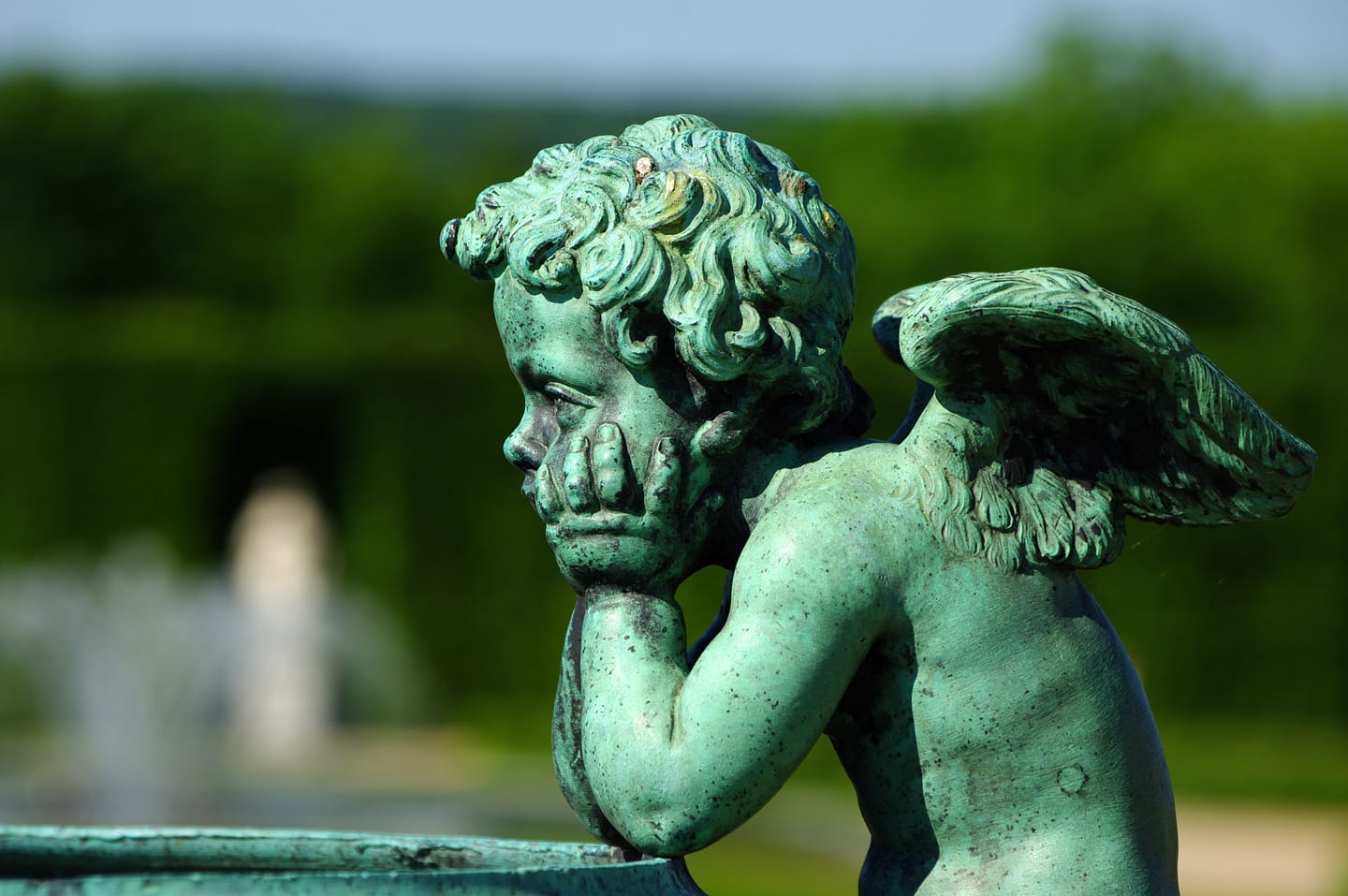
We are speaking about the Roman philosopher Lucretius, who, actively argued that love could be harmful….Drawing on Epicurean philosophy, he championed the pursuit of a tranquil life free from pain and disturbance. From his perspective, love was not a blessing but a danger...an emotional entanglement capable of disrupting peace of mind.
But are his arguments convincing? This is our task at hand…
If you are feeling inundated with amorous messaging this season, you might find today’s members-only in-depth article a refreshing change of pace: a measured counterbalance to the runaway romance currently in full swing.
But even if you are a devoted follower of Cupid, you will still find something to enjoy here. Lucretius’ critique offers a different lens, adding nuance and depth to a topic many assume requires no questioning at all: the idea that love is always a virtuous and worthy goal.
Perhaps true love isn’t quite all it’s cracked up to be… or perhaps Lucretius was simply more than a little bitter...
Either way, we invite you to explore an Epicurean approach to the topic du jour and to reflect on a provocative question: is love something that should be actively pursued, or are casual connections preferable to deep intimacy?
Classical Wisdom Members: Ancient philosophy is rarely one-sided. That is why our Classical Wisdom Litterae Magazine not only features the full article below, but also an exploration of the many different forms of love found in the ancient world...across language, literature, art, and more.
You can enjoy the full Litterae Magazine following today’s article.
All the best,
Anya Leonard
Founder and Director
P.S. If you aren’t a member, but would LOVE to enjoy the Classics more, make today the day you join! Subscribe and gain access to our in-depth articles, Ebook library, Podcasts with Professors, and Classical Wisdom Litterae Magazines:
Introducing Lucretius’ On The Nature Of Things (And By Things We Mean Love)
By Nicole Saldarriaga
It’s no secret that, historically, human beings have had a particular fascination with romantic love. The topic is explored again and again in everything from art to literature to dinner table conversations—and as long as there have been human societies, this fascination has existed.
It’s especially interesting, then, to examine some more ancient conceptions of romantic love and to realize that in many ways they are not so different from the opinions we have today.
An ancient Roman Epicurean philosopher by the name of Titus Lucretius Carus (popularly known as Lucretius), for example, in his On the Nature of Things, advocated for the avoidance of romantic love in favor of casual sex—an idea that might not seem out of place on many college campuses today.
On the Nature of Things is a treatise on Epicurean philosophy written in verse. Considered a masterpiece by many, it lovingly and rather eloquently espouses and explains the doctrines of Epicurus—all with the ultimate goal of leading the reader to tranquility of mind and spirit.
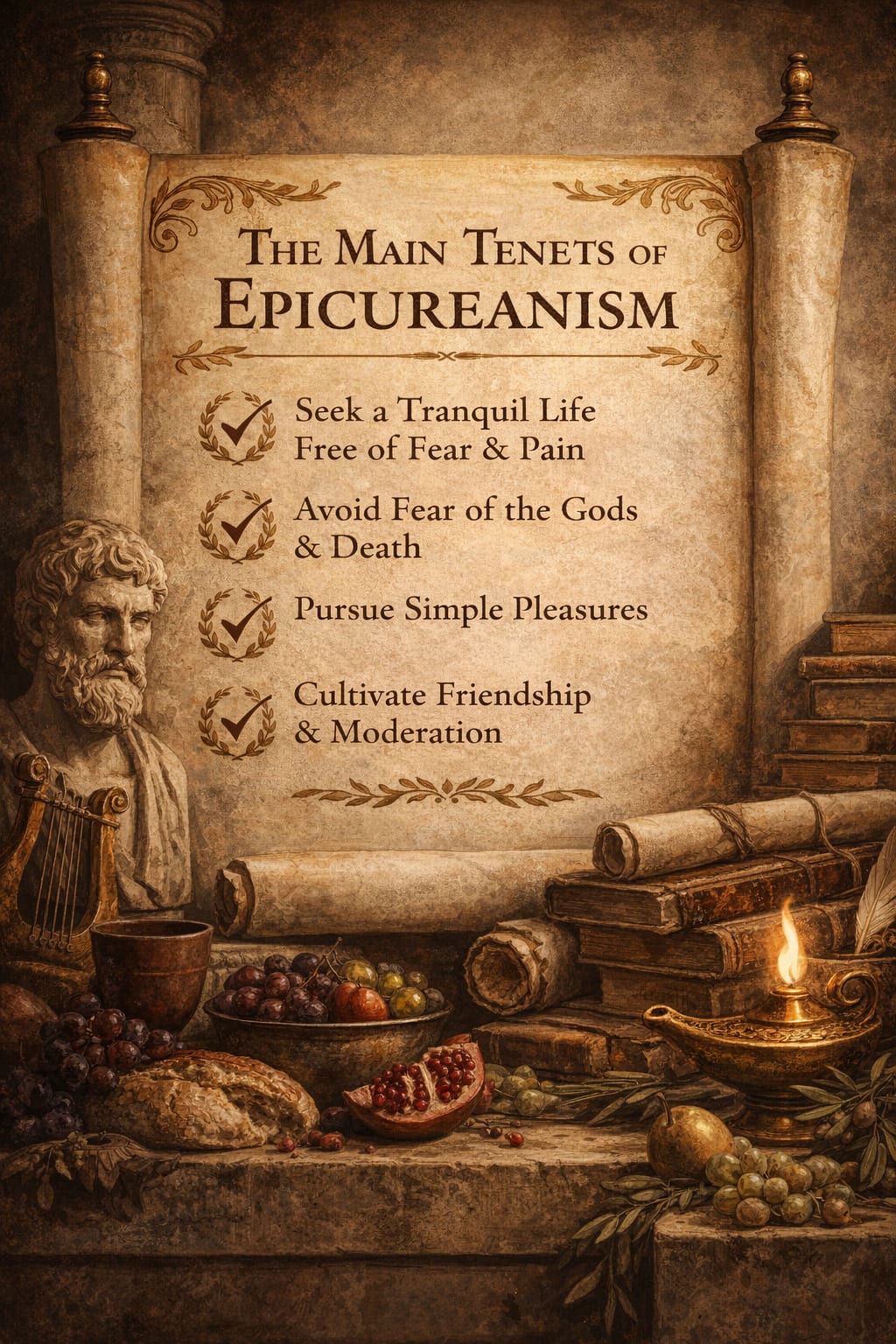
According to Epicurean philosophy, humans experience anxiety and discontent when they nurture desires that can’t be satisfied and fears that arise out of blind superstition.
The only way to be freed from these fears (particularly the fear of death) is to
Más info en https://ift.tt/WL0XVKy / Tfno. & WA 607725547 Centro MENADEL (Frasco Martín) Psicología Clínica y Tradicional en Mijas. #Menadel #Psicología #Clínica #Tradicional #MijasPueblo
*No suscribimos necesariamente las opiniones o artículos aquí compartidos. No todo es lo que parece.

No hay comentarios:
Publicar un comentario