
Dear Classical Wisdom Reader,
I’m writing to you today with a dramatic landscape in sight. Through the window I can view snow capped mountains, steaming geysers and enthusiastic herds of wild Icelandic horses...all while wearing every single item of clothing I’ve brought with me.
You see, dear reader, we have journeyed to the land of Ice, the nordic island resting just below the arctic circle. Spending time here, it's impossible not to think about the power of volcanoes, especially as we sit atop the highest concentration of active volcanos in the world. It is amazing how something so beautiful and awe-inspiring can also be so destructive. Iceland’s volcanoes have famously disrupted modern air travel, but their ancient cousins shaped far more than flight schedules. They helped bring down empires, fueled famines, and rewrote human history.
And not just here, but thousands of miles away.
In fact, today’s article explores how volcanic eruptions -some as far-flung as Alaska or El Salvador- altered the course of the Classical world. From the mysterious disappearance of the Minoans to the fall of the Roman Republic and the icy grip that helped usher in the so-called Dark Ages, volcanoes were often the invisible hand behind seismic societal shifts. They turned the tide of wars, brought down kings, and silenced cities under ash...
Read on to learn about the famous Volcanoes in the ancient world.
All the best,
Anya Leonard
Founder and Director
Classical Wisdom
Unlock EVERYTHING! By becoming a Member, you can support the Classics and gain FULL access to our archives of exclusive podcasts, e-books, magazines, in-depth articles and more!
Volcanoes in the Ancient World: Cataclysm and Change
By Ed Whalen, Contributing Writer, Classical Wisdom
Volcanoes are among the most powerful natural forces on Earth, and in the ancient world, their eruptions often had catastrophic consequences. Long before modern science could explain them, volcanic events shaped human history—sometimes altering the course of entire civilizations. From the Bronze Age to the fall of the Roman Empire, the story of ancient volcanoes is one of sudden destruction, climate change, and social upheaval.
The Theran Eruption and the Fall of the Minoans
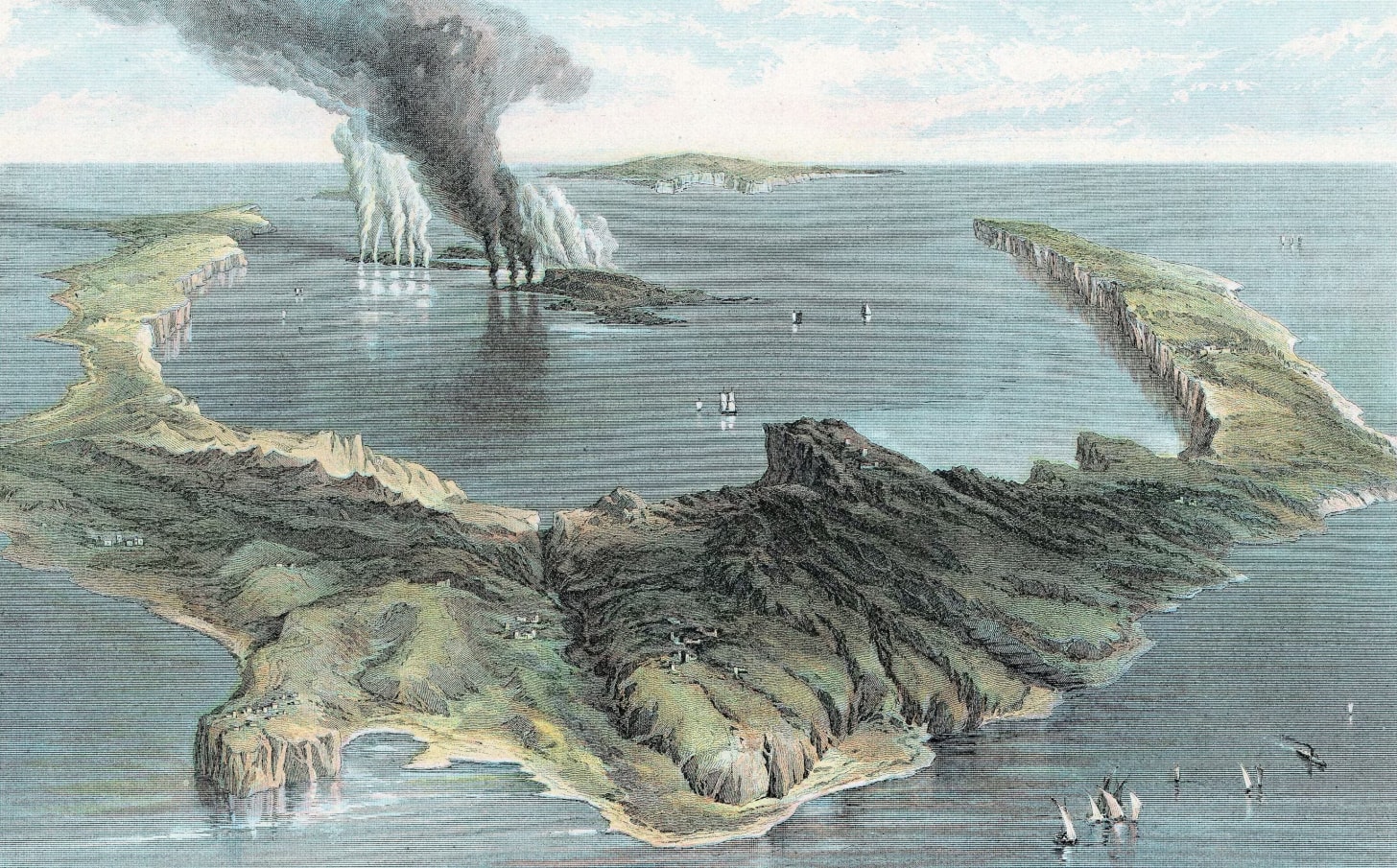
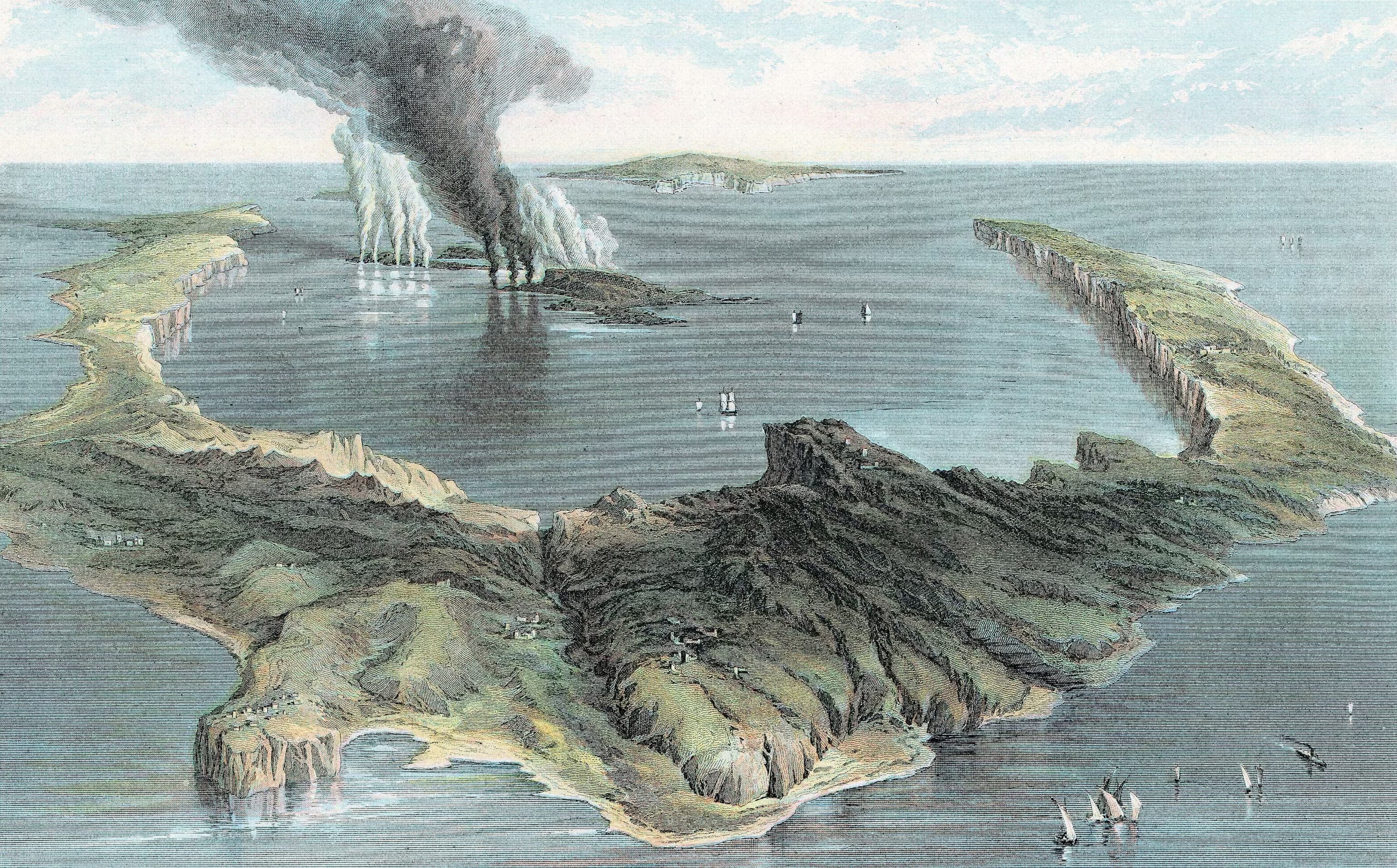
The Minoan civilization of Crete, often regarded as the precursor to ancient Greek culture, thrived during the Bronze Age. But around 1600 BCE—centuries before the legendary Trojan War—it vanished almost overnight. The likely culprit? A colossal volcanic eruption on the nearby island of Thera (modern-day Santorini).
This eruption obliterated the advanced city of Akrotiri and may have triggered a devastating tsunami that struck Crete some 75 miles away. The resulting destruction, combined with a climate-cooling "volcanic winter," brought crop failures and famine. Weak and vulnerable, the Minoans were soon overtaken by the rising power of the Mycenaean Greeks. Some scholars even suggest this cataclysm inspired the enduring myth of Atlantis.
Mount Vesuvius and the Frozen City of Pompeii
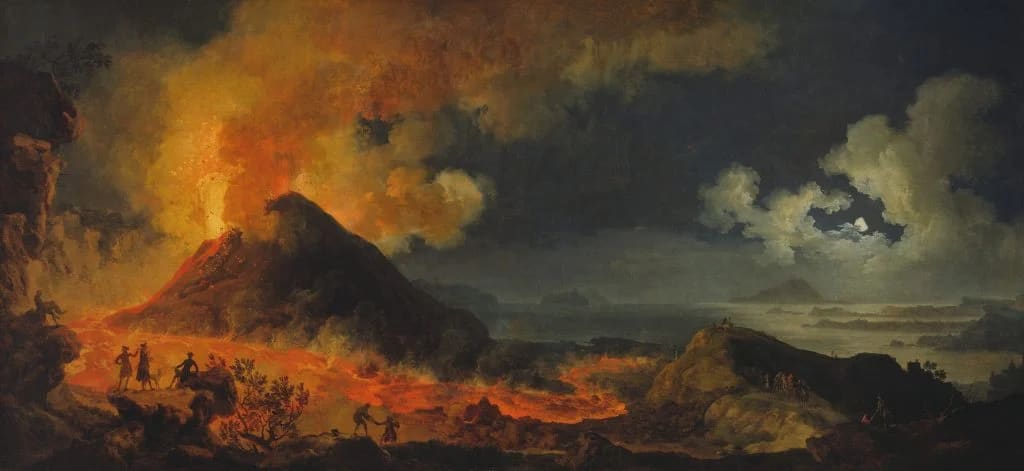
In 79 CE, life in the prosperous Roman towns of Pompeii, Herculaneum, and surrounding areas near the Bay of Naples came to a fiery halt. Mount Vesuvius erupted with terrifying force, blasting pumice, ash, and molten rock into the sky. A searing pyroclastic surge rolled down the mountain, swallowing everything in its path.
Darkness fell as ash blotted out the sun. While some managed to escape by sea, an estimated 2,000 people perished, many preserved in eerie detail by the volcanic ash that buried them. Pompeii was lost beneath layers of debris for nearly 1,700 years, a city frozen in time that today offers unparalleled insight into daily Roman life.
Volcanic Fallout in Ptolemaic Egypt
Far from the Mediterranean, volcanic eruptions in places like Alaska and Indonesia had far-reaching effects—including on ancient Egypt during the Ptolemaic period. In 245 BCE, Ptolemy III's military campaigns in Mesopotamia were abruptly halted by domestic unrest, as famine and revolt gripped Egypt. A mystery eruption, possibly in the Arctic, coincided with these events.
Again in 205 BCE, volcanic activity triggered famine, leading to widespread suffering and rebellion. Even Cleopatra’s reign in the first century BCE, often remembered for romance and political drama, was marred by recurring food shortages likely linked to distant volcanic events. These climatic shocks helped destabilize the regime, paving the way for Rome’s eventual domination of Egypt.
The Roman Republic’s Final Days
By the first century BCE, the Roman Republic was already cracking under the strain of civil wars and populist uprisings. In 43 BCE, the eruption of the Okmok volcano in the Aleutian Islands unleashed a global cooling event that exacerbated the turmoil. Crops failed, prices soared, and riots erupted across Roman cities.
As hunger and unrest intensified, the people of Rome turned toward strong, centralized power, setting the stage for the rise of Octavian, who became Augustus, the first Roman Emperor. A distant eruption may well have hastened the Republic's transformation into Empire.
Crisis and Collapse in the Third Century
For the first two centuries CE, the Roman Empire enjoyed relative stability and notably, a lull in major volcanic activity. But during the Crisis of the Third Century, everything changed. The Empire splintered under pressure from barbarian invasions, civil war, and economic collapse.
Now, scientists believe that a powerful Arctic eruption around 260 CE played a key role in this crisis. The resulting climate disruption brought flooding and crop failure, even in Egypt, Rome's breadbasket. The environmental stress added to the Empire’s troubles, revealing how climate shocks could unravel even a mighty power.
Unlock the Classics, Become a Member
Volcanic Winters and the End of Antiquity
The final blow to the ancient world may have come not from armies, but from the sky. In the mid-sixth century CE, a double eruption, first in Iceland around 530, then from El Salvador’s Ilopango volcano, triggered what some historians call the Late Antique Little Ice Age. Temperatures plunged, agriculture collapsed, and famine and plague swept across the known world.
Emperor Justinian, ruling from Constantinople, dreamed of reviving the Roman Empire. But his ambitions were thwarted by these environmental disasters. The recurring waves of disease and hunger helped usher in the so-called Dark Ages and ensured that the Classical world would not rise again.
Volcanoes reshaped the ancient world in dramatic and often tragic ways. Whether erupting nearby or halfway around the globe, these natural disasters sparked famines, plagues, political revolutions, and the collapse of once-mighty civilizations. From the Minoans to the Romans, history shows that volcanic cataclysms were not just acts of nature—they were drivers of human destiny.
Más info en https://ift.tt/BO8MtWa / Tfno. & WA 607725547 Centro MENADEL (Frasco Martín) Psicología Clínica y Tradicional en Mijas. #Menadel #Psicología #Clínica #Tradicional #MijasPueblo
*No suscribimos necesariamente las opiniones o artículos aquí compartidos. No todo es lo que parece.

No hay comentarios:
Publicar un comentario