Psicología

Centro MENADEL PSICOLOGÍA Clínica y Tradicional

Psicoterapia Clínica cognitivo-conductual (una revisión vital, herramientas para el cambio y ayuda en la toma de consciencia de los mecanismos de nuestro ego) y Tradicional (una aproximación a la Espiritualidad desde una concepción de la psicología que contempla al ser humano en su visión ternaria Tradicional: cuerpo, alma y Espíritu).

“La psicología tradicional y sagrada da por establecido que la vida es un medio hacia un fin más allá de sí misma, no que haya de ser vivida a toda costa. La psicología tradicional no se basa en la observación; es una ciencia de la experiencia subjetiva. Su verdad no es del tipo susceptible de demostración estadística; es una verdad que solo puede ser verificada por el contemplativo experto. En otras palabras, su verdad solo puede ser verificada por aquellos que adoptan el procedimiento prescrito por sus proponedores, y que se llama una ‘Vía’.” (Ananda K Coomaraswamy)

La Psicoterapia es un proceso de superación que, a través de la observación, análisis, control y transformación del pensamiento y modificación de hábitos de conducta te ayudará a vencer:

Depresión / Melancolía
Neurosis - Estrés
Ansiedad / Angustia
Miedos / Fobias
Adicciones / Dependencias (Drogas, Juego, Sexo...)
Obsesiones Problemas Familiares y de Pareja e Hijos
Trastornos de Personalidad...

La Psicología no trata únicamente patologías. ¿Qué sentido tiene mi vida?: el Autoconocimiento, el desarrollo interior es una necesidad de interés creciente en una sociedad de prisas, consumo compulsivo, incertidumbre, soledad y vacío. Conocerte a Ti mismo como clave para encontrar la verdadera felicidad.

Estudio de las estructuras subyacentes de Personalidad
Técnicas de Relajación
Visualización Creativa
Concentración
Cambio de Hábitos
Desbloqueo Emocional
Exploración de la Consciencia

Desde la Psicología Cognitivo-Conductual hasta la Psicología Tradicional, adaptándonos a la naturaleza, necesidades y condiciones de nuestros pacientes desde 1992.

sábado, 31 de mayo de 2025

Chinnamasta, Korean Shamanism, and the Superstition of Science


Welcome to our newsletter, dear readers,

• Our first new library item this month is a chapter on the divine play of Hindu/Buddhist deity Chinnamasta, one of the ten goddesses from the esoteric tradition of Tantra, and a ferocious aspect of Mahadevi, the Hindu Mother goddess. Chinnamasta indicates a transcendence of the ordinary and portrays the ordinary as extraordinary. She explodes one’s limited understanding of the phenomenal world in order to reveal unconditioned reality. The chapter we present includes sections on the meaning of tantra, the spiritual importance of mantra, of sacred art, and theatre in particular.

Chinnamasta is a wonderful example of a goddess who understands the illusions (maya) of the phenomenal world and can assume various forms, such as a warrior, magician, beauty, protectoress, etc. Chinnamasta is limitless as are the manifestations of the phenomenal world; this is simply a marvellous performance—lila. By thinking of the thousand names of Chinnamasta as divine play, one can classify her thousand names according to the nine rasa (sentiments) of Indian aesthetical theory.

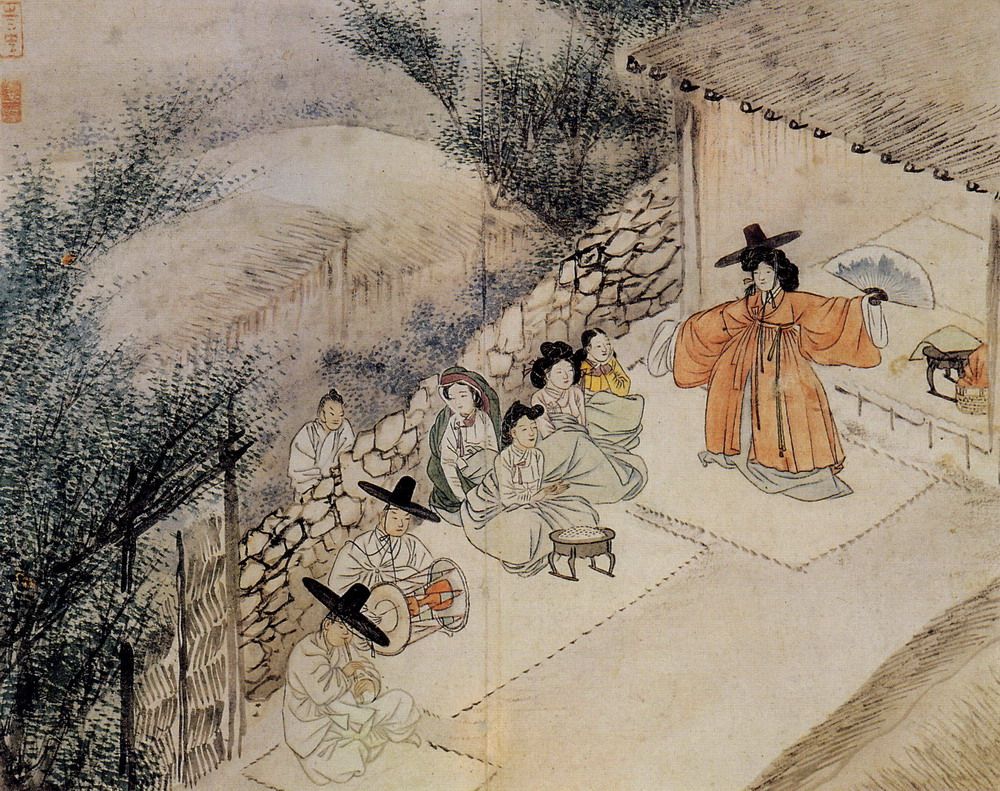
• Next we present a chapter on Mudang, the shamanistic religious practice which is at the basis of Korean nationhood and culture. Retelling and analysing its foundational myths, the author elaborates on the five essential features of Mudang: a heavenly ordination, kingly origin, association with mountains, tragedy, and the predominance of women.

The magical cult of Mudang which is in practice in our time can be viewed as a deteriorated form of traditional faith. Its deterioration comes from the preoccupation with magic and divination and its neglect of the central importance of traditional faith, that is worship of the Hanunim as the highest God of all others.

Korean shamanism 1805 image
Munyeo sinmu, 1805. Kansong Museum of Art, Seoul.

• And finally we have two chapters from East & West, by René Guénon, in Martin Lings’ translation, probing the modernist notions of civilization and progress, and the fundamentally superstitious character of modern science.

‘Science’, with a capital letter, like ‘Progress’ and ‘Civilization’, like ‘Right’, ‘Justice’, and ‘Liberty’, is another of those entities that are better left undefined, and that run the risk of losing all their prestige as soon as they are inspected a little too closely… They are not really ideas, because many of those who pronounce these words with the greatest conviction have in mind nothing very clear that corresponds to them; actually there is nothing there in most cases but the expression —one might even say the personification— of more or less vague sentimental aspirations. These are veritable idols, the divinities of a sort of ‘lay religion’…

The post Chinnamasta, Korean Shamanism, and the Superstition of Science first appeared on The Matheson Trust.

- Enlace a artículo -

Más info en https://ift.tt/p8T34V5 / Tfno. & WA 607725547 Centro MENADEL (Frasco Martín) Psicología Clínica y Tradicional en Mijas. #Menadel #Psicología #Clínica #Tradicional #MijasPueblo

*No suscribimos necesariamente las opiniones o artículos aquí compartidos. No todo es lo que parece.

Beethoven: Symphony No. 5 Fate Symphony | Gábor Takács-Nagy & the Verbier Festival Chamber Orchestra


"Da-da-da-daaa..." – with this legendary four-note motif, Beethoven's Symphony No. 5 in C minor, Op. 67 – aka the Fate Symphony – carved its place in music history. Here the symphony is performed by Gábor Takács-Nagy and the Verbier Festival Chamber Orchestra. The concert took place on July 27, 2012 at the Verbier Festival in Switzerland.

00:00 Coming on stage
00:19 I. Allegro con brio
07:29 II. Andante con moto
16:42 III. Allegro
21:20 IV. Allegro

The nickname “Fate Symphony” originated from Beethoven's secretary and biographer, Anton Schindler. When he asked about the meaning of the opening motif, Beethoven is said to have replied: "This is the sound of fate knocking at the door." Although this story is disputed, what remains undeniable is that Beethoven's Fifth, premiered on December 22, 1808, stands as one of most celebrated works in classical music.

Anton Schindler was a shady character. Though he longed to be a close friend and confidant of Beethoven, the composer often dismissed him. After Beethoven's death, Schindler took many of his manuscripts and notebooks. In his biography, he's believed to have fabricated quotes from these writings and to have interpreted – or even created – events to align with his own perspectives and feelings.

Beethoven left little about his inspiration for Symphony No. 5, as no authentic commentary from him on the work survives. The symphony was written at a time when Beethoven was already suffering from severe hearing loss and tinnitus. His condition began in 1798 and led to near-total deafness sixteen years later. Though his piano career faded, he was by then firmly established as a respected composer in Vienna.

The first sketches of Beethoven's Fifth date back to 1803, a time when he was still captivated by the ideals of the French Revolution: liberty, equality, and fraternity. Rhythms and motifs from revolutionary music found their way into his work, and researchers suggest they likely inspired the symphony’s famous four-note opening. In France, Beethoven’s suspenseful Fifth, with its explosive finale in C major, isn’t called the Fate Symphony but the Chant de Victoire – a hymn to victory.

Around the same time, nature-loving Beethoven composed Symphony No. 6 – the Pastoral Symphony, or Recollections of Country Life. The contrasting themes of nature and peace, some scholars argue, suggest that the Fifth was not necessarily tied to a personal sense of fate. Yet, despite all the new research, the nickname Fate Symphony has endured.

The Hungarian conductor and violinist Gábor Takács-Nagy turned to chamber music while still a student. With the Takács Quartet (1975-1992), he has worked with such stars as Lord Menuhin, Sir Georg Solti, Isaac Stern, Mstislav Rostropovitch, Paul Tortelier, Gidon Kremer, and András Schiff. In 2002, Gábor Takács-Nagy turned to conducting. In 2007, he became director of the Verbier Festival Chamber Orchestra (VFKO), which performs annually at the Verbier Festival and has toured extensively throughout Europe and Asia.

The Verbier Festival is one of the world’s most prestigious classical music events. The quality of participating artists is matched by the originality of the program. The festival is held from late July to early August in the mountain resort of Verbier, Switzerland.

© 2012 Idéale Audience

Watch more concerts in your personal concert hall:
https://www.youtube.com/playlist?list=PL_SdnzPd3eBV5A14dyRWy1KSkwcG8LEey

Find the best of Beethoven here:
https://www.youtube.com/playlist?list=PL_SdnzPd3eBWcX1eOXH-w75x-_-7gRF-w

And check out more symphonies here:
https://www.youtube.com/playlist?list=PL_SdnzPd3eBXvpOWNmQ1AUBPQeyNanpxY

More masterpieces from the classical period can be found here:
https://www.youtube.com/playlist?list=PL_SdnzPd3eBX17Jic5IUJQle18jrnZAof

Subscribe to DW Classical Music:
https://www.youtube.com/dwclassicalmusic

#symphony #beethoven #fifth

- Enlace a artículo -

Más info en https://ift.tt/p8T34V5 / Tfno. & WA 607725547 Centro MENADEL (Frasco Martín) Psicología Clínica y Tradicional en Mijas. #Menadel #Psicología #Clínica #Tradicional #MijasPueblo

*No suscribimos necesariamente las opiniones o artículos aquí compartidos. No todo es lo que parece.

Verso l’occultamento definitivo


Verso l'occultamento definitivo


Del recente scontro armato fra India e Pakistan – ultimo di una lunga serie, da addebitare all’eredità avvelenata dell’imperialismo mercantile britannico – colpisce in primo luogo l’elemento (altamente significativo) dell’appartenenza “religiosa” dei due Stati in conflitto. Risultando quella indù la Prima tradizione, la più prossima alla Tradizione primordiale (non per nulla l’induismo fu scelto da Guénon come modello esplicativo dei principi reggitori di ogni società tradizionale); mentre invece quella islamica, adottata in Pakistan, rappresenta l’ultima tradizione ad essersi manifestata, ovvero il sigillo delle rivelazioni di questo Ciclo cosmico. Scelta, anche questa non a caso, da Guénon come “rifugio” rituale e religioso.

L’inconciliabile ostilità, per quanto localizzata, fra due tradizioni così importanti per i destini dell’Umanità, le insanabili divergenze e divisioni insieme a tanti altri segnali che ci giungono da quella parte del Mondo, fanno nascere seri dubbi sull’effettiva continuità tradizionale nell’Oriente attuale. Infatti, se ci si dovesse attenere alle semplici manifestazioni esteriori ed agli aspetti più superficiali, quei luoghi, da sempre culla di luminosi patrimoni spirituali e meta di pellegrinaggi da parte dei cercatori d’Occidente, sembrerebbero aver subito a loro volta il ritiro della Tradizione, col conseguente abbandono anche delle popolazioni orientali alle medesime anomalie moderne, congenite all’Occidente: dove tutto può essere comprato col denaro, inclusa la (presunta) saggezza e la (simulata e contraffatta) autorità spirituale. In un mondo in cui la successione temporale e l’espansione spaziale sono gli unici parametri quantitativi e i soli termini di paragone rimasti in uso.

Su questa deriva sembrava già avere le idee chiare Guido De Giorgio quando scriveva a Frithjof Schuon: «Perché, mi chiedo, si parla del Cristianesimo, di quel che è, di quel che era, di quello che dovrebbe essere, e poco, e male, e anche affatto dell’Islam, dell’India, della Cina ecc.? Il mondo si rovescia, crolla da ogni parte, sia in Occidente che in Oriente, è anche naturale che tutto ciò sia dovuto all’Occidente poiché occidens ha un duplice significato, che perisce e che fa perire… Perché ci si accanisce a mettere tutti i punti sulle i riguardo al Cristianesimo come se si ignorasse il corso naturale e provvidenziale delle cose, lo sviluppo e lo sbocco del dramma cosmico…?»

I rappresentanti dell’autorità religiosa, il cui compito è quello di reggere e condurre – sul piano generale, exoterico – una civiltà tradizionale, essendo tenuti perfino nel modo di abbigliarsi e di mostrarsi all’esterno ad adottare simboli e a compiere azioni conformi con i riti e in accordo con la qualità del proprio tempo liturgico, nonché a distinguere nella maniera più assoluta la propria persona dalla propria funzione, nel momento in cui sgarrano e mostrano di ignorare tali obblighi, mostrano chiaramente di non essere più all’altezza del loro compito. E se un tale fatto è facilmente riscontrabile presso alcune “recenti” autorità spirituali occidentali, esso non lo è da meno nel modo di porsi, per esempio, dell’attuale Dalai Lama, che non sembra comportarsi molto diversamente dei suoi colleghi occidentali!

Infatti, “se Atene piange, Sparta non ride”; mostrando l’Oriente, a questo punto, la medesima assenza di orientamento e guida da parte di coloro che dovrebbero essere i detentori delle conoscenze tradizionali, di cui già da tempo l’Occidente è rimasto privo. La chiusura di “certe porte” sembra ora interessare anche le più remote regioni orientali, le quali, per gli squilibri il caos e l’instabilità sociale da esse presentati, fanno comunque pensare ad una causa che non può essere solo d’ordine materiale e contingente, ma deve avere ben più profonde radici.

È come se nessuno riuscisse più a rimediare alla perdita della Via che conduce al sacro. Anche perché ciò che ricade al di fuori dello stato umano, rientrando nel dominio degli stati superiori e, quindi, del Centro supremo, è automaticamente “perduto di vista” da tutti coloro che rimangono impigliati nello psichismo inferiore e si dibattono nelle piccole vicende della vita ordinaria: lo stato sociale dell’uomo, la sua condizione terrena, non essendo più in relazione diretta con la dimensione trascendente. E coloro che potrebbero correggere una simile condizione – le autorità spirituali, le guide, i maestri – non hanno alcun interesse a farlo, visto l’infimo livello interiore in cui si ritrova la maggioranza degli individui, presso i quali non è possibile trovare un appiglio, una “presa”, per esercitare un’azione rettificatrice. Nessuno può costringere un altro a fare il bene e a vivere bene!

Se la presenza reale delle influenze spirituali mostra sempre una vicinanza al Principio e al Cielo; il prevalere delle influenze psichiche è invece segno di uno scadimento e di una dipendenza dal basso, dal divenire e dal caotico. Un simile passaggio sembra ora essersi verificato, in ragione delle leggi cicliche, anche presso le civiltà orientali. Basti pensare all’atteggiamento dei vertici degli Stati islamici – forse escluso l’Iran – riguardo a quanto avviene in Palestina, per rendersi conto di quali conseguenze, in primo luogo pratiche e sociali, comporta l’abbandono dei principi tradizionali, scambiati con semplici interessi economici e materiali, da parte di Popoli e Stati che dovrebbero pur condividere una comune appartenenza e fratellanza, se non spirituale, per lo meno etnica e geografica.

Ma parlare di una vera e propria perdita della tradizione per l’Oriente, per lo meno nella sua componente religiosa ed esterna (come del resto per lo stesso Occidente, malgrado le apparenze), non è del tutto esatto, poiché questo comporterebbe, di fatto, la caduta nella barbarie più assoluta, per via della (impossibile) scomparsa del Principio stesso, di cui ogni tradizione è espressione, e verso il quale ognuna è incaricata di condurre la parte d’umanità che cade sotto la sua “giurisdizione”.

Se alcuni centri spirituali secondari perdono il contatto col Centro supremo, questo non vuole affatto dire che tale Centro non conservi integro il suo patrimonio di Conoscenze, o che i cambiamenti del mondo esterno possano minimamente influenzarne la stabilità. Cataclismi, diluvi e tutte le follie umane non possono minimamente sfiorare il Paradiso terrestre, essendo il Centro supremo posto al di là di ogni cambiamento, e rappresentando il luogo di tutte le stabilità. Esso è diventato semplicemente inaccessibile, e ha smesso di esercitare la sua influenza diretta sul Mondo e sugli esseri umani, non più in grado di percepirne la presenza.

Per cui, mentre i nemici della Tradizione si mostrano oramai senza le maschere di un tempo, manifestando apertamente il loro operato ed esibendo esplicitamente le loro trame e macchinazioni, certi della loro (illusoria) vittoria finale, la Tradizione, invece, appare irrimediabilmente perduta solo per quella parte di umanità che non ha più accesso alla sua sede originaria, essendogli venuti a mancare gli strumenti e i mezzi per ottenere questo passaggio. E se i tempi attuali mostrano che questa parte dell’umanità “impedita” tende a coincidere con l’umanità tutta intera, compresa quella orientale, è pur sempre vero che “più buio di mezzanotte non si potrà mai fare”; e, come conclude la profezia del Re del Mondo riportata da Ferdinand Ossendowski nel suo Bestie, uomini e dei: «Infine i popoli di Agharti saliranno dalle caverne sotterranee alla superficie della terra».

- Enlace a artículo -

Más info en https://ift.tt/fXyV8Jq / Tfno. & WA 607725547 Centro MENADEL (Frasco Martín) Psicología Clínica y Tradicional en Mijas. #Menadel #Psicología #Clínica #Tradicional #MijasPueblo

*No suscribimos necesariamente las opiniones o artículos aquí compartidos. No todo es lo que parece.

viernes, 30 de mayo de 2025

King Croesus


Dear Classical Wisdom Reader,

It doesn’t happen to many people.

It’s one thing for someone to be wealthy…. yet it’s another thing entirely to be so wealthy that your name becomes a byword for it.

Even today, the phrase “Richer than Croesus” is still widely used, although I have to wonder if the people using it know the whole story…. As there’s much more to King Croesus than just his money.

Presented by Herodotus in the opening sections of his vast Histories, the tale of King Croesus is like something from Greek tragedy. It’s a story of fate, fortunes, and the fall of an Empire.

A meditation on hubris and the limitations of being human, it even features the Solon, the ‘father of Athenian democracy’, and an army of camels!

So read on below to discover what it’s all about, and how in the end, riches aren’t what they’re cracked up to be…

All the best,

Sean Kelly

Managing Editor

Classical Wisdom


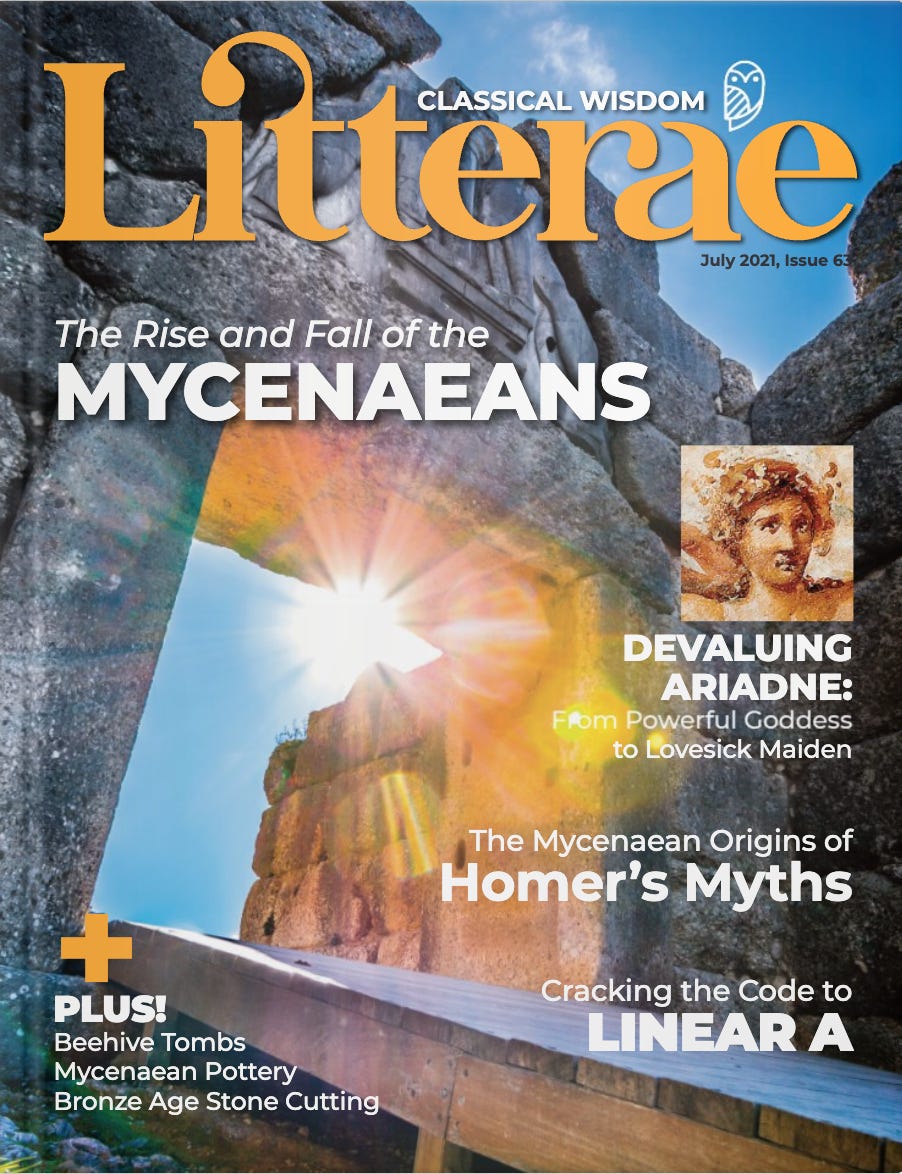
Mysteries of the Mycenaeans Discover this fascinating and enigmatic ancient civilization in a special issue of our magazine Classical Wisdom Litterae.


The Fate of King Croesus

By Francesca Leaf

Best-known for his epic Histories, Herodotus has been referred to as both the “Father of History” and the slightly less flattering title, “Father of Lies”.

Herodotus earned the first title through narrating a series of globally-significant events in terms of cause and effect. The source of the second is likely his colorful writing style. A master storyteller, he wove together facts, legends, and gossip. To Herodotus, these aspects were an important part of humanity’s story—adding context to data, dates, and wars.

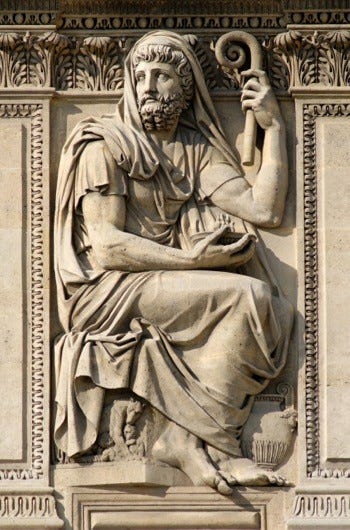
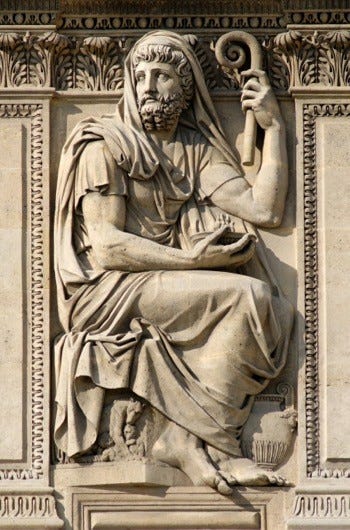
Herodotus
Relief of Herodotus “Father of Lies.”

Herodotus’ love of legends and drama is apparent in his tale of King Croesus of Lydia. He took the historical Croesus and transformed him into a tragic, allegorical figure. More than just a fascinating read, this story provides insight into ancient perspectives on pride, religion, and fate.

The Most Blessed of All Men?

After ascending the throne, Croesus, king of Lydia, set about expanding his empire. Thanks to the legendary Lydian cavalry, he succeeded. The already wealthy Croesus became wildly, fabulously, wantonly rich. He was proud of his riches and delighted in showing them off to those who visited him in Sardis.

Among these visitors was the Athenian lawgiver and sage Solon. True to form, Croesus had his servants lead his visitor around the palace, showing off his treasures. When the tour concluded, Croesus sought out compliments, asking Solon if he had “ever seen a man more blest than all his fellows.”

Solon’s answer was surprising. Apparently, the most blessed of all men was Tellus of Athens. Solon explained his reasoning to the shocked Croesus:

“Tellus’ city was prosperous, and he was the father of noble sons, and he saw children born to all of them and their state well stablished; moreover . . . he crowned his life with a most glorious death . . .” (Herodotus, Histories, Book I)

In Solon’s opinion, wealth wasn’t the only blessing. He then elaborated, stating that it was actually impossible to judge the happiness of a living person. Many may begin their lives with wonderful things—only to experience a reversal of fortunes.

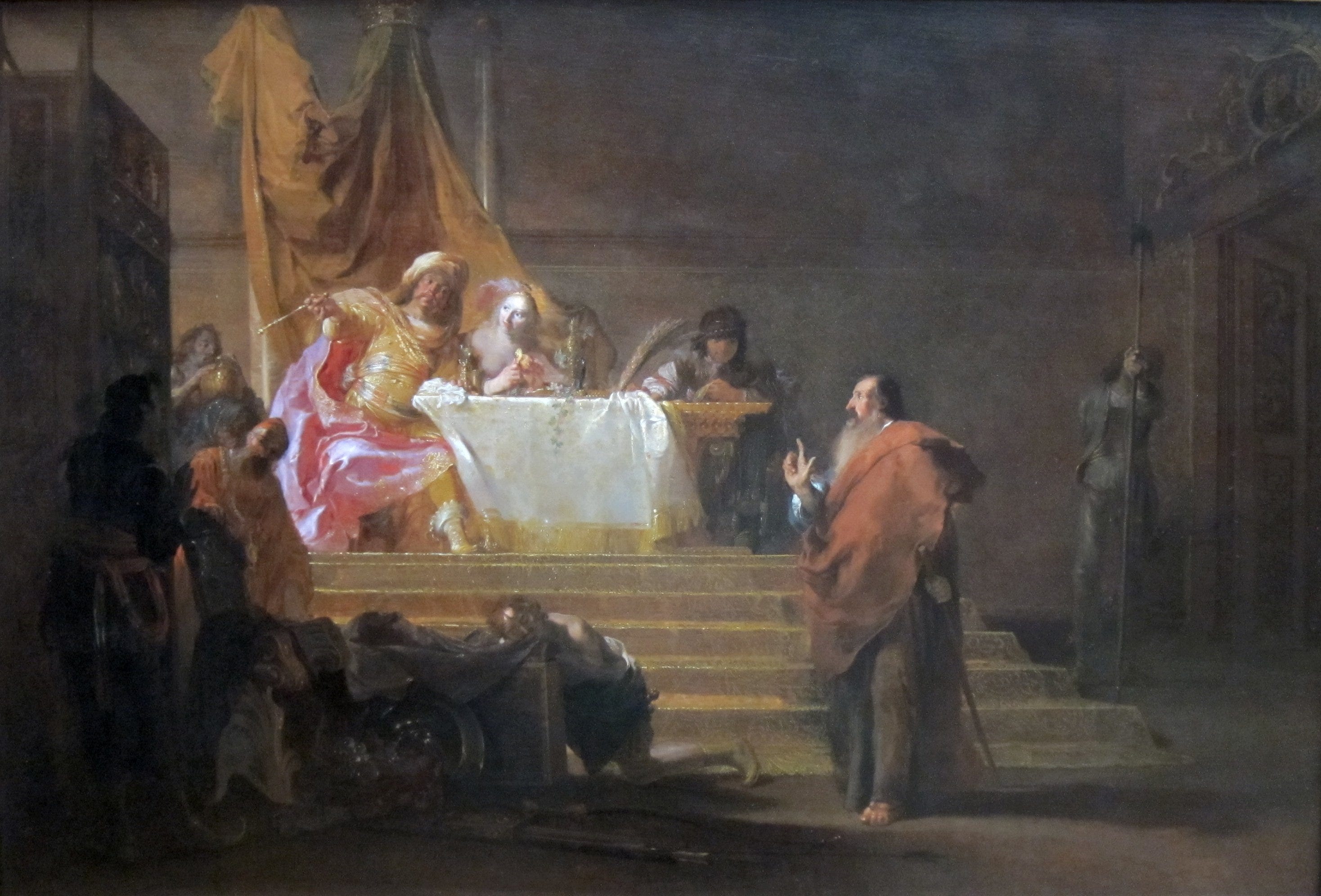
Solon before Croesus by Nicolaes Knüpfer

As it turns out, Croesus’ unchecked hubris angered the gods, who conspired to take him down a peg or two. That night, Croesus had a horrifying dream—a premonition that his favorite son, Atys, was fated to be killed by a spear.

Watch Out for Sharp Objects

As mortals often do, Croesus decided to thwart fate. He arranged a marriage for his son, informed Atys that he would no longer be commanding the spear-filled Lydian armies, and had all sharp objects removed from the palace.

Shortly after Atys’ wedding, a monstrous boar descended from the mountains and began wreaking havoc in nearby fields. A hunting party was organized, and Atys desperately wanted to join. Croesus didn’t want his son to go, but Atys pleaded, stating that boars fought with tusks, not spears. Croesus relented, but as an extra precaution, required Atys to have a guardian, whose sole duty was to protect the youth.

You can probably guess what happens next: the guardian hurls a spear at the boar, misses, and accidentally kills Atys. Croesus was horrified. He thought he’d been taking steps to circumvent fate . . . and, instead, they’d led him directly to it.

Share

Croesus spent the next two years in deep sorrow. During this time, the Persian Empire expanded and grew in influence. When Croesus took notice of this, he awoke from his sadness and decided that he must put a stop to the Persian power.

An Empire Will Fall

Prior to waging war against the Persians, Croesus decided to consult an oracle about the outcome. He wanted to be sure that he received accurate information, so he devised a test.

Croesus sent delegates to oracles at all four corners of the earth, instructing them to “on the hundredth day inquire of the oracles what Croesus . . . was then doing,” write down the oracular answer, and return to Sardis.

When the delegates arrived at the oracle of Apollo at Delphi, the Pythian priestess, unprompted, uttered:

“What is it now that I smell? ‘tis a tortoise mightily armored
Sodden in vessel of bronze, with a lamb’s flesh mingled together:
Bronze thereunder is laid and a mantle of bronze is upon it.”
(Herodotus, Histories, Book I)

Meanwhile, back in Sardis, Croesus was busily boiling tortoise and lamb meat. The oracle of Apollo had passed the test with flying colors.

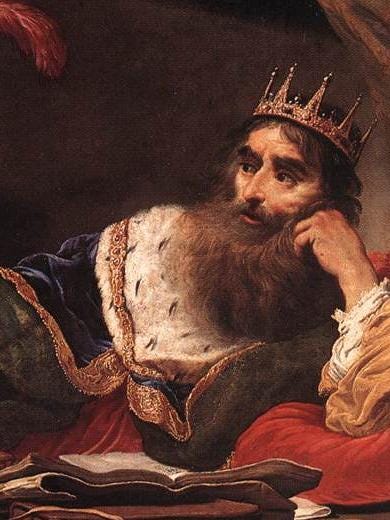
Croesus
Croesus as imagined by Claude Vignon

Croesus’ next step was to buy the favor of Apollo, god of sun and light, with a hefty donative. Thanks to Herodotus’ love of colorful detail, we know that Croesus sent the temple at Delphi a gigantic lion figure made from refined gold, gold and silver ingots, and a collection of his wife’s necklaces and girdles (unfortunately, Herodotus does not tell us how she felt about this).

After presenting Croesus’ offerings, his delegates asked the oracle what would happen if Croesus waged war against the Persians. The oracle’s now (in)famous answer was: “. . . that if he should send an army against the Persians he would destroy a great empire.” To Croesus, this could only mean one thing: victory was his!

And so Croesus, his old confidence regained, made powerful alliances and commenced with attacking lands under Persian control. After mixed results, he withdrew to Sardis for the winter and dismissed his mercenaries. His plan was to assemble a larger force and resume his invasion in the spring.

Unfortunately for Croesus, King Cyrus of Persia caught wind of the plan and realized that this was the perfect time to attack the Lydian city.

When Croesus first saw Cyrus’ army marching on Sardis he knew he was in trouble. Cyrus had the numbers. But, perhaps the legendary Lydian cavalry would prevail! What Croesus didn’t know was that Cyrus had a secret weapon . . . an army of fearsome camels! Herodotus puts it best:

“The reason of his posting the camels to face the cavalry was this: horses fear camels and can endure neither the sight nor the smell of them . . . So when battle was joined, as soon as the horses smelt and saw the camels they turned to flight, and all Croesus’ hope was lost.” (Herodotus, Histories, Book I)

A great empire did indeed fall—the Lydian Empire, that is.

A chastened Croesus was taken prisoner. Condemned to be burned to death on a pyre, Croesus had a revelation and finally understood Solon’s wisdom. Even the most powerful can experience a reversal of fortunes. As the flames climbed higher, he cried out “Solon!”

Support the Classics ~ Become a Member

Croesus
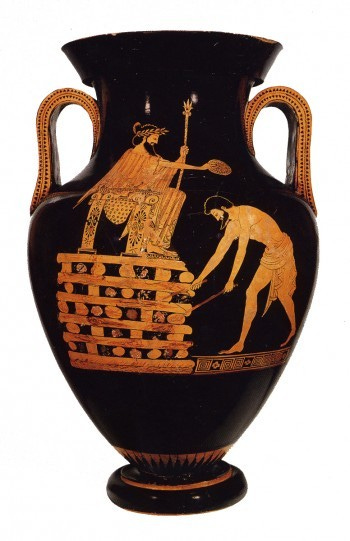
Red figure vase of Croesus on the pyre

Cyrus was confused by his prisoner’s antics and asked his interpreters to find out what Croesus was babbling on about. Croesus, through the interpreters, shared Solon’s wise words with Cyrus. Cyrus realized that he could just as easily be the one seated on the pyre. He ordered his men to quell the flames.

The fire couldn’t be put out. Croesus panicked and began crying out to Apollo. Perhaps his lavish gifts to the temple at Delphi would pay off. Apollo must’ve really liked that gold lion—a sudden rainstorm quenched the flames.

Cyrus saw that Croesus was both wise and beloved by Apollo, and he decided to make him a trusted counsellor.

Fate Strikes Again

Some may argue that Croesus’ hubris caused his fall from power. Others may blame it on the loathsomeness of camels. More may argue that his failure to ask the oracle exactly which great empire would fall was the ultimate source of his doom. As it turns out, it was all of the above . . . with the addition of fate.

After his stunning defeat, Croesus felt betrayed by Apollo. With Cyrus’ permission, he sent yet another delegation to Delphi—this time, to reproach the Greek god.

In response, the priestess reproached Croesus for not asking the right questions. However, she went on to explain that Croesus’ fall from power wasn’t entirely his own fault. As it turns out, due to the sins of his ancestors, his doom had been fated and therefore inescapable.

Nevertheless, due to his decisions (and poor oracle-interpreting skills), Croesus had gone about fulfilling his fate in a most bombastic way.

And the Moral of the Story Is . . .

A skilled storyteller, Herodotus weaves together elements both human and divine. In the tale of Croesus, the mortal king encountered the divine in the form of meddling gods, a premonitory dream, and those darn ambiguous oracles. Croesus responded to each of these encounters with his flawed, limited, and, ultimately, human understanding. Due to his pride, he incited the wrath of the gods, attempted to foil the unstoppable force of fate, and interpreted oracles as telling the future as he wished it to be.

With this tale, Herodotus sets the tone for the rest of the Histories. Throughout his inquiry, he continues to explore the fickleness of fortune, the mutability of empires, and the fact that no one—not even a god—can escape their fate.

- Enlace a artículo -

Más info en https://ift.tt/fXyV8Jq / Tfno. & WA 607725547 Centro MENADEL (Frasco Martín) Psicología Clínica y Tradicional en Mijas. #Menadel #Psicología #Clínica #Tradicional #MijasPueblo

*No suscribimos necesariamente las opiniones o artículos aquí compartidos. No todo es lo que parece.

Una sentencia obliga a conceder a los musulmanes una zona propia en el cementerio


Los enterramientos según la tradición islámica, bajo tierra y sin féretro, están amparados por la legislación española Son muchas las preguntas que surgen a partir de esta novedosa sentencia de un tribunal de Algeciras (del pasado mes de marzo). Tal es así que el Ayuntamiento condenado a conceder a los musulmanes ese espacio en su […]

La entrada Una sentencia obliga a conceder a los musulmanes una zona propia en el cementerio se publicó primero en VERISLAM.

- Enlace a artículo -

Más info en https://ift.tt/fXyV8Jq / Tfno. & WA 607725547 Centro MENADEL (Frasco Martín) Psicología Clínica y Tradicional en Mijas. #Menadel #Psicología #Clínica #Tradicional #MijasPueblo

*No suscribimos necesariamente las opiniones o artículos aquí compartidos. No todo es lo que parece.
La Ascensión del Señor, A. Mitilineos


La Ascensión del Señor [Hechos 1,1-12], A. Mitilineos Hechos – Πράξεις – praxis 1:1-12 1:1. Querido Teófilo: En mi primer libro, es decir, al Evangelio, traté de todo lo que Jesús hizo y enseñó desde el principio hasta el día en que ascendió al cielo después de haber dado mandamientos e instrucciones por medio del Espíritu …

Continuar leyendo »

- Enlace a artículo -

Más info en https://ift.tt/cBNrhHQ / Tfno. & WA 607725547 Centro MENADEL (Frasco Martín) Psicología Clínica y Tradicional en Mijas. #Menadel #Psicología #Clínica #Tradicional #MijasPueblo

*No suscribimos necesariamente las opiniones o artículos aquí compartidos. No todo es lo que parece.
TRECE REGLAS La Baraita de Rabbí Ishmael sostiene que «con trece reglas se interpreta la Torah», (בשלוש עשרה מדות התורה נדרשת בהן). Vamos a ver cómo estas seis palabras encierran una importante enseñanza que no se ve a primera vista. . Lo primero que queda claro es que no se trata de doce ni de catorce reglas, sino exactamente trece (שלוש עשרה). Este número no es arbitrario: sabemos que trece es la guematria de la palabra ahavá (אהבה), “amor”. . א = 1 ה = 5 ב = 2 ה = 5 ———– 13 . Esto nos revela que la interpretación de la Torah no debe surgir únicamente de la lógica ni del rigor técnico, sino desde el amor Ahavah (אהבה). Porque un acercamiento auténtico al texto sagrado exige más que memorización o agudeza analítica: requiere corazón. Comprender la Torah, explicarla, desentrañarla, hacerla hablar, transmitirla es en sí un acto de amor. Los sabios nos recuerdan, además, que la guematria de BeShlosh Ezre Middot (בשלוש עשרה מדות), “con trece reglas” es 1663 y coincide con la de Levaer et haTorah haZot (לבאר את התורה הזות), para explicar esta Torah. . בשלוש = 638 עשרה = 575 מדות = 450 —————— 1663 . לבאר = 233 את = 401 התורה = 616 הזות = 418 —————– 1663 . De aquí podemos deducir que nuestro acercamiento al texto sagrado ha de ser desde el corazón.Interpretar, entonces, es iluminar desde el corazón lo que el texto calla a simple vista, y es también iluminar nuestro corazón con la luz que se oculta en la Torah. Y que tan púdicamente se va revelando cuando nos acercamos amorosamente a ella. JULI PERADEJORDI


Zohar

TRECE REGLAS

La Baraita de Rabbí Ishmael sostiene que «con trece reglas se interpreta la Torah», (בשלוש עשרה מדות התורה נדרשת בהן). Vamos a ver cómo estas seis palabras encierran una importante enseñanza que no se ve a primera vista.

.

Lo primero que queda claro es que no se trata de doce ni de catorce reglas, sino exactamente trece (שלוש עשרה). Este número no es arbitrario: sabemos que trece es la guematria de la palabra ahavá (אהבה), “amor”.

.

א = 1

ה = 5

ב = 2

ה = 5

———–

13

.

Esto nos revela que la interpretación de la Torah no debe surgir únicamente de la lógica ni del rigor técnico, sino desde el amor Ahavah (אהבה). Porque un acercamiento auténtico al texto sagrado exige más que memorización o agudeza analítica: requiere corazón. Comprender la Torah, explicarla, desentrañarla, hacerla hablar, transmitirla es en sí un acto de amor.

Los sabios nos recuerdan, además, que la guematria de BeShlosh Ezre Middot (בשלוש עשרה מדות), “con trece reglas” es 1663 y coincide con la de Levaer et haTorah haZot (לבאר את התורה הזות), para explicar esta Torah.

.

בשלוש = 638

עשרה = 575

מדות = 450

——————

1663

.

לבאר = 233

את = 401

התורה = 616

הזות = 418

—————–

1663

.

De aquí podemos deducir que nuestro acercamiento al texto sagrado ha de ser desde el corazón.Interpretar, entonces, es iluminar desde el corazón lo que el texto calla a simple vista, y es también iluminar nuestro corazón con la luz que se oculta en la Torah. Y que tan púdicamente se va revelando cuando nos acercamos amorosamente a ella.

JULI PERADEJORDI

- Enlace a artículo -

Más info en https://ift.tt/cBNrhHQ / Tfno. & WA 607725547 Centro MENADEL (Frasco Martín) Psicología Clínica y Tradicional en Mijas. #Menadel #Psicología #Clínica #Tradicional #MijasPueblo

*No suscribimos necesariamente las opiniones o artículos aquí compartidos. No todo es lo que parece.
Ascensión del Señor al Cielo - 2025


3efdd9176fcd116178a2d2599eabdae6.jpg

Si Cristo, tu tesoro, sube al cielo, esté allí tu corazón”

Dice Guillermo de Igny: Otros vuelan por la contemplación: tú al menos, con el amor. Pablo es arrebatado en el Espíritu y vuela hasta el tercer cielo. Juan hasta donde el Verbo existía en el principio. Tú, al menos, no arrastres por tierra un espíritu degenerado, ni aguantes que tu corazón se pudra en la tierra, soterrado por la inercia. Nuestro gran Pontífice, que ha entrado hoy en el santuario,  después de conseguir la redención eterna está ahora ante la presencia de Dios intercediendo por nosotros, grita: Levantemos el corazón. Tú respóndele con fe: Lo tenemos levantado hacia el Señor.


Oración

Señor, en este día en que celebramos la gloriosa Ascensión de tu Hijo, nos sentimos pequeños ante tu grandeza y tu misterio. Elevados a la contemplación de su gloria, queremos renovar nuestra fe en su poder y en su promesa de volver.

Perdona nuestras dudas y poco empeño en seguir sus pasos. Haz que, en medio de nuestras dificultades, mantengamos la esperanza firme, conscientes de que tú nos acompañas en cada momento.

Que tu Espíritu nos fortalezca, y que como Jesús, también nosotros podamos subir en espíritu y vivir con la esperanza de la vida eterna. Danos la gracia de ser testigos de tu amor, y de mirar siempre hacia el cielo, esperando en la esperanza segura de tu venida. Por nuestro Señor Jesucristo, que vive y reina contigo y el Espíritu Santo, por los siglos de los siglos.

Amén.


- Enlace a artículo -

Más info en https://ift.tt/cBNrhHQ / Tfno. & WA 607725547 Centro MENADEL (Frasco Martín) Psicología Clínica y Tradicional en Mijas. #Menadel #Psicología #Clínica #Tradicional #MijasPueblo

*No suscribimos necesariamente las opiniones o artículos aquí compartidos. No todo es lo que parece.
Understanding Ancient Egypt with Kara Cooney


Dear Classical Wisdom Readers,

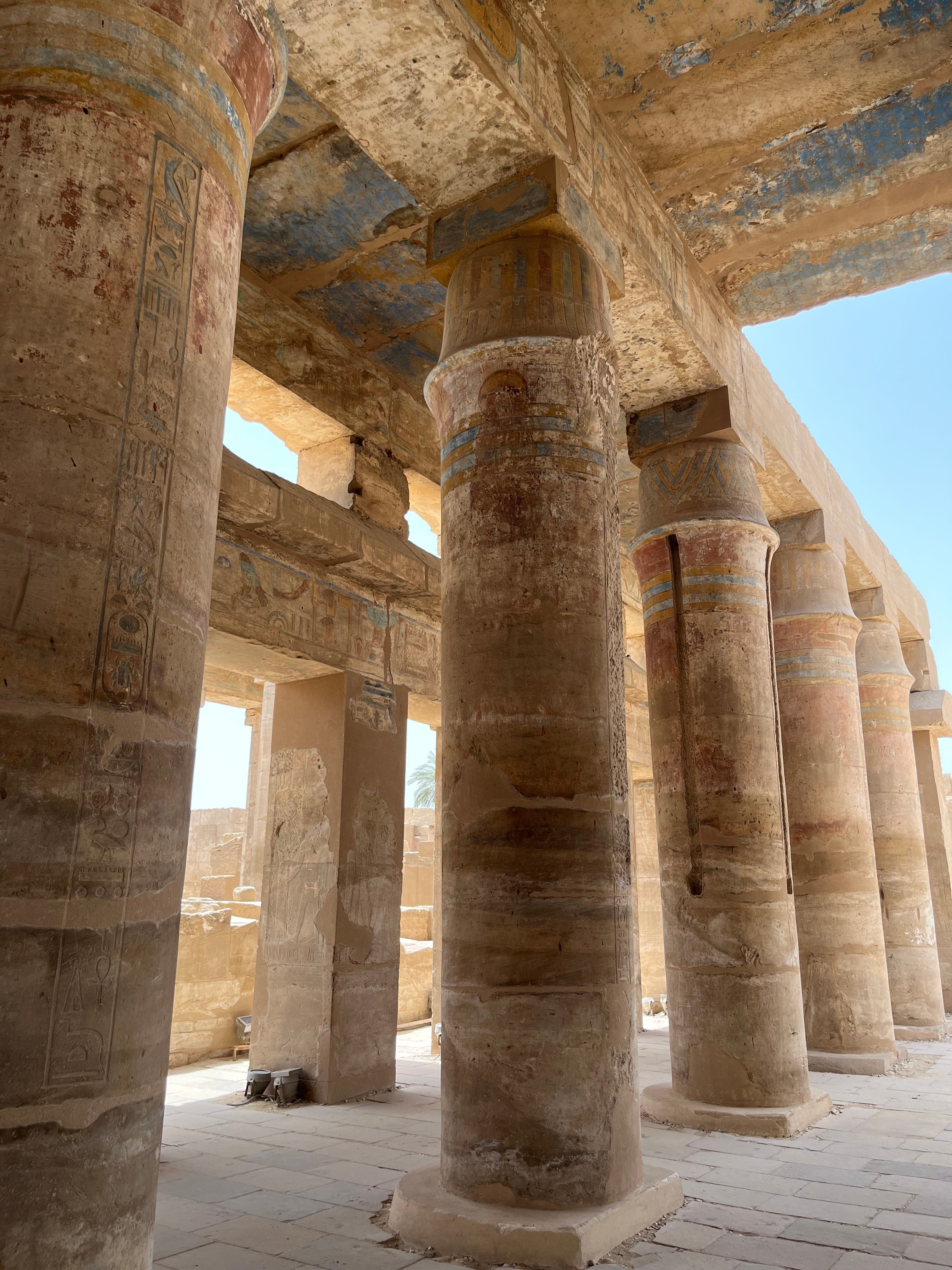
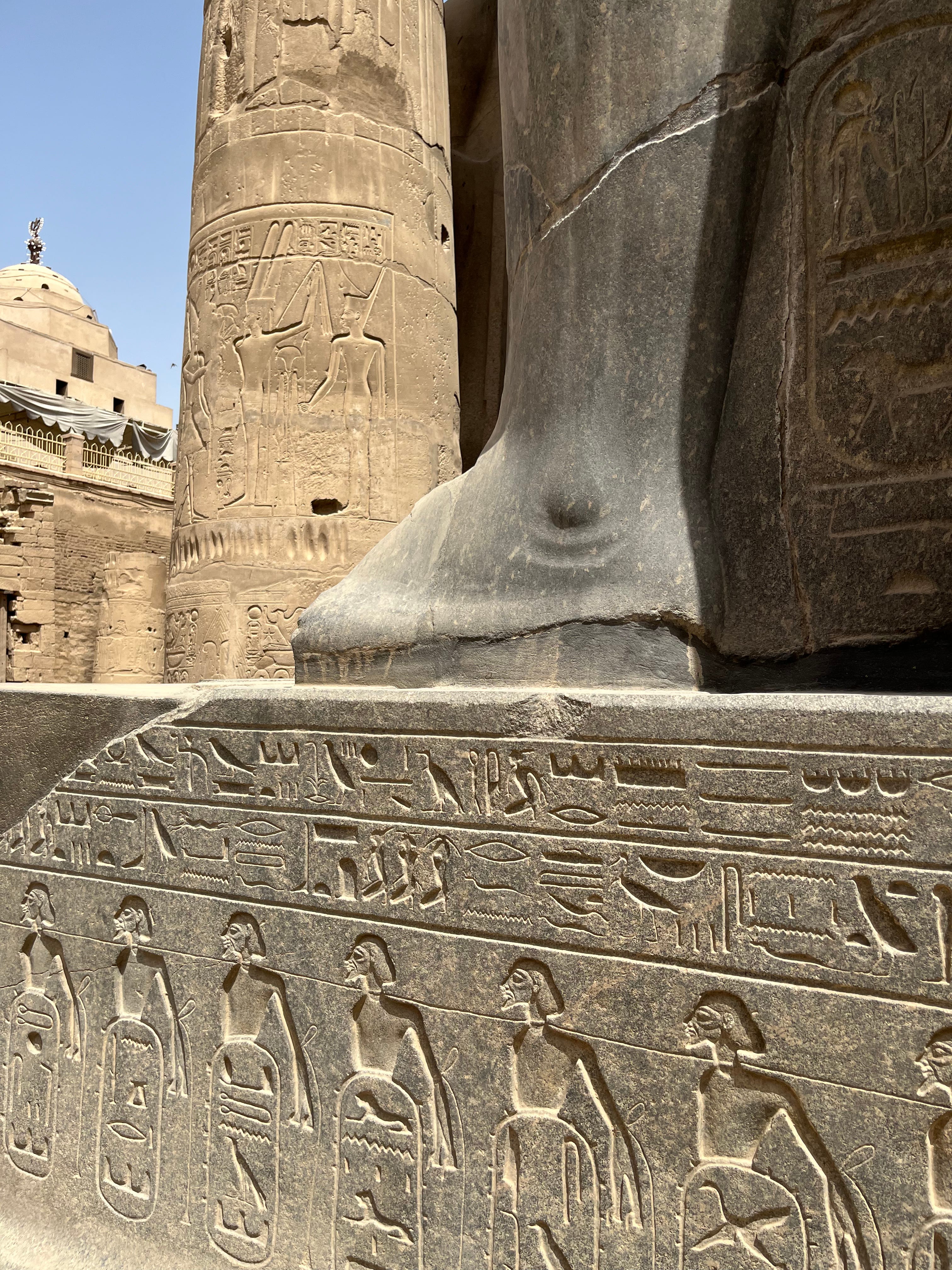
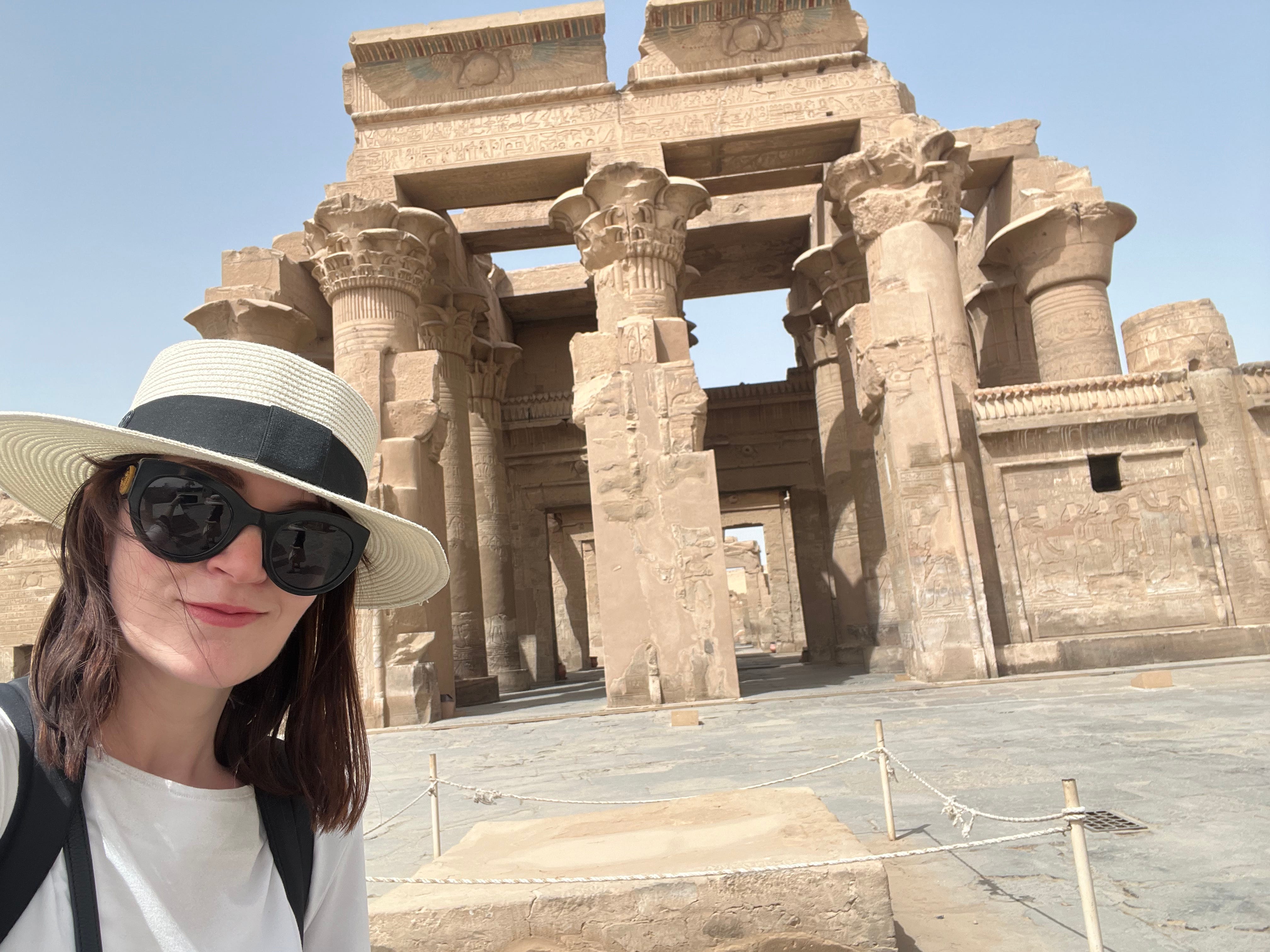
Why is seeing the paint on ancient Egyptian temples not necessarily a good thing? What do the ‘slaves’ on the bottom of the statues in Luxor represent? And why is the symmetry in Kom Ombo, a temple dedicated to the Crocodile and Falcon gods, so unusual?

In today’s conversation with Kara Cooney, professor of ancient Egyptian art and architecture at UCLA, we take you through some of the most important and fascinating sites from ancient Egypt. We discuss ancient perspectives as well as the latest archeological finds (including the more sensational news about the ‘void’ and ‘underground pillars’ in and under the Pyramids).

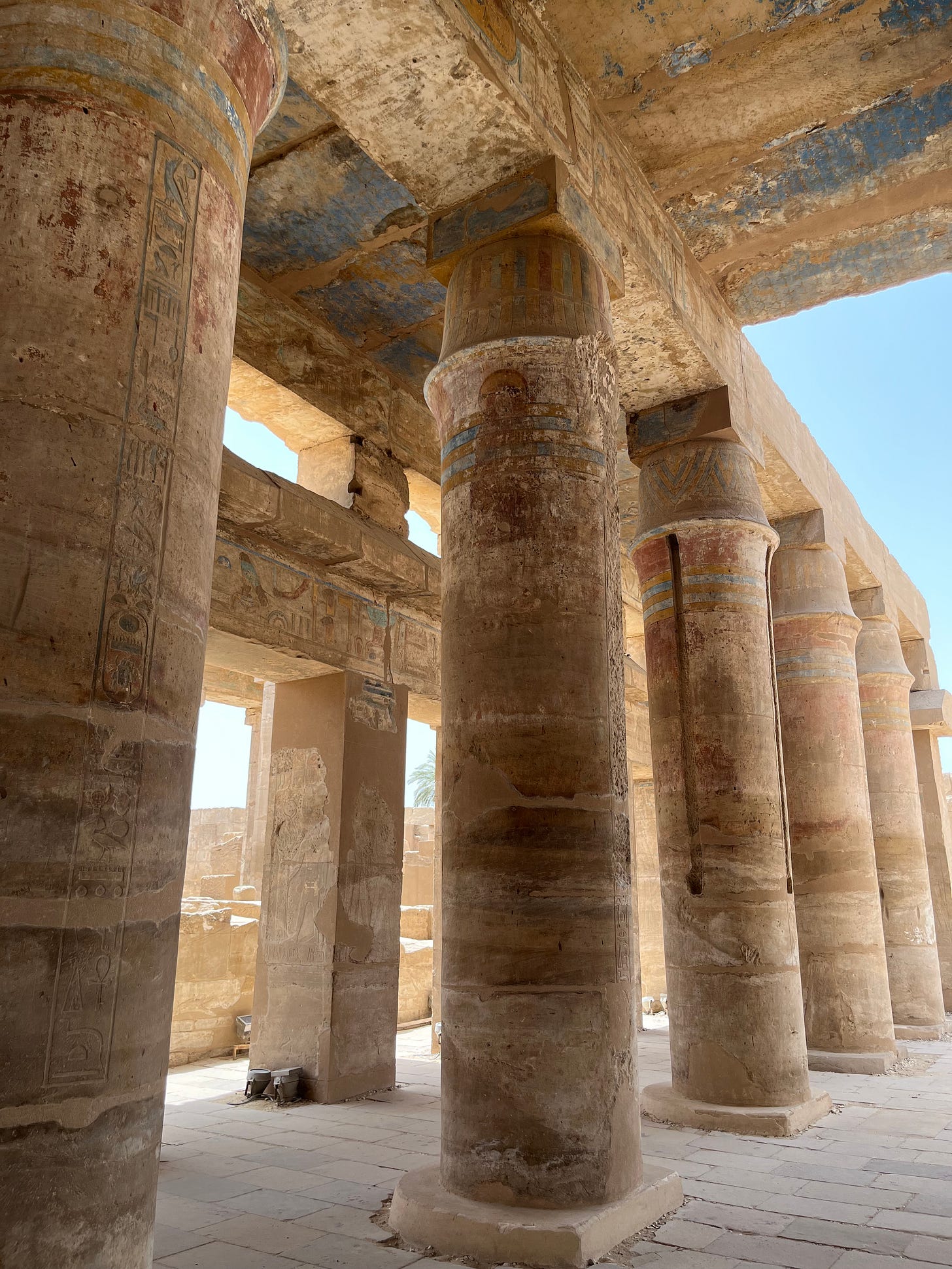
I have put some of my own photos below which, I hope, help illustrate what we spoke about!

Also, for those of you unfamiliar with Kara’s work, check out her many books, including: The Woman Who Would Be King: Hatshepsut’s Rise to Power in Ancient Egypt, When Women Ruled the World: Six Queens of Egypt, and The Good Kings: Absolute Power in Ancient Egypt and the Modern World.

She also discussed her latest books: Recycling for Death: Coffin Reuse in Ancient Egypt and the Theban Royal Caches, Ancient Egyptian Society: Challenging Assumptions, Exploring Approaches, and Coffin Commerce.

Finally, apologies for those watching for the abrupt ending. My internet cut out… but fortunately Kara was a pro and helped finish up the proceedings.

Thank you again to everyone who joined us!

All the best,

Anya Leonard

Founder and director

Classical Wisdom

The many layers of paint at Karnak
The prominent position of the ‘slaves’ at the Luxor Temple
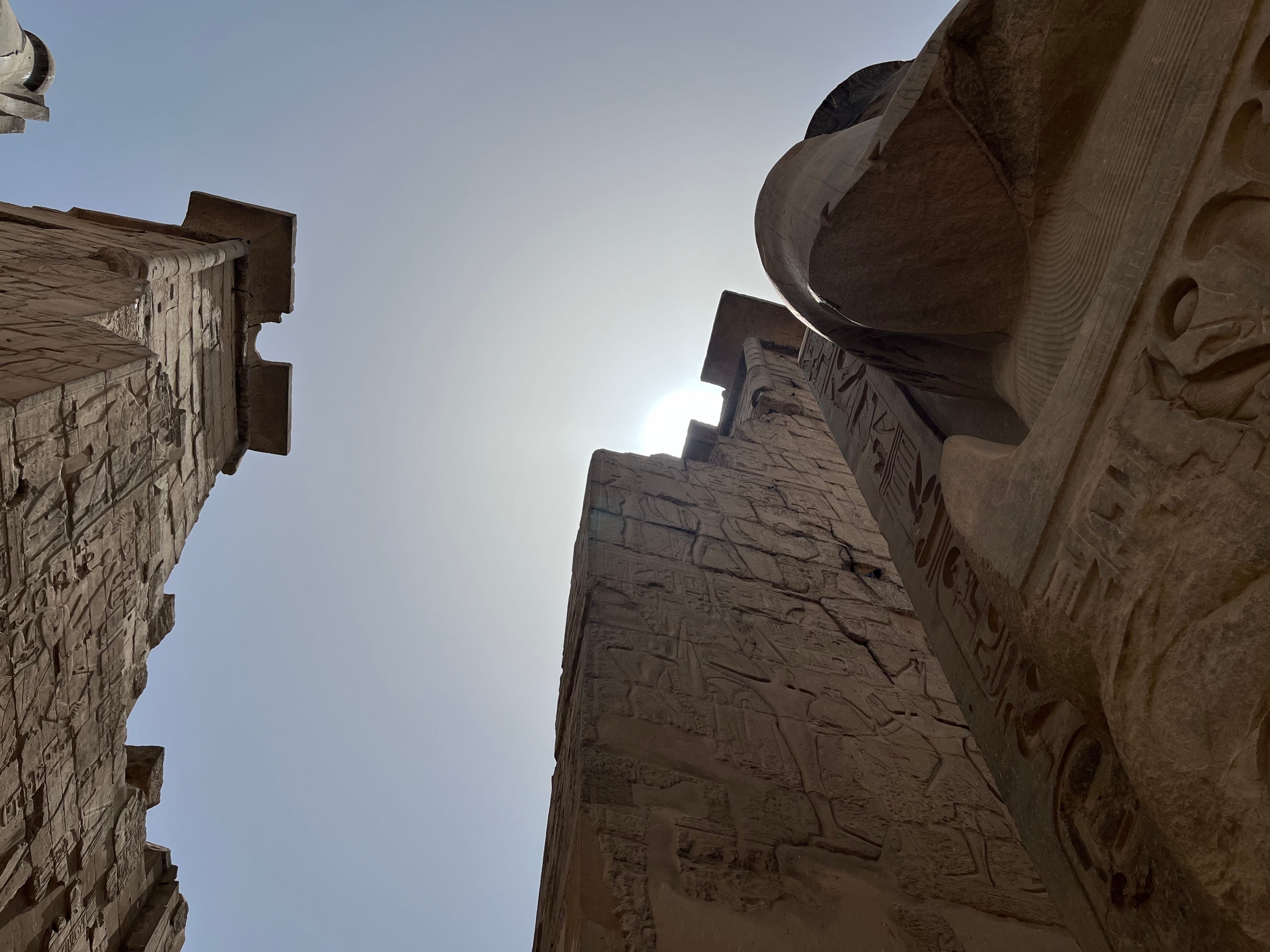
Pathetic attempt to convey the sheer size of the temple, at Luxor
Enjoying the splendid symmetry at Kom Ombo

- Enlace a artículo -

Más info en https://ift.tt/cBNrhHQ / Tfno. & WA 607725547 Centro MENADEL (Frasco Martín) Psicología Clínica y Tradicional en Mijas. #Menadel #Psicología #Clínica #Tradicional #MijasPueblo

*No suscribimos necesariamente las opiniones o artículos aquí compartidos. No todo es lo que parece.
jueves, 29 de mayo de 2025

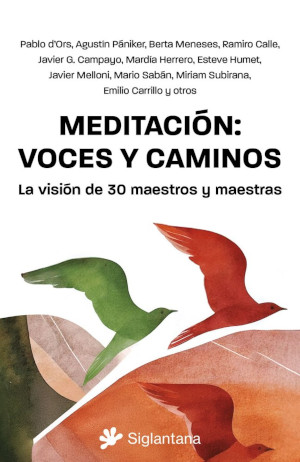
Meditación: voces y caminos


meditacion-voces-caminos.jpg La meditación es una práctica universal, pero también una experiencia única para cada persona. Este libro reúne las voces de 30 maestros y maestras que, desde tradiciones como el budismo, el cristianismo, el hinduismo, el sufismo, la psicología, el arte y otras corrientes contemporáneas, comparten su comprensión profunda y personal de lo que significa meditar. A través de sus palabras, descubrimos que meditar no es solo una técnica, sino una forma de estar en el mundo: una práctica que nos conecta con lo esencial, que cultiva el silencio, la atención y la compasión,y que puede integrarse en cada gesto cotidiano...

- Enlace a artículo -

Más info en https://ift.tt/cBNrhHQ / Tfno. & WA 607725547 Centro MENADEL (Frasco Martín) Psicología Clínica y Tradicional en Mijas. #Menadel #Psicología #Clínica #Tradicional #MijasPueblo

*No suscribimos necesariamente las opiniones o artículos aquí compartidos. No todo es lo que parece.

El Cristianismo y las demás religiones, Mitilineos


El Cristianismo y las demás religiones El Yérontas Atanasio Mitilineos responde a dudas y preguntas.   Las presentes transcripciones y traducciones han sido elaboradas a partir de las homilías originales en lengua helénica-griega del venerable Yérontas y profeta Atanasio Mitilineos el Nuevo Crisóstomo. La mayoría de las cuestiones planteadas provienen de jóvenes estudiantes del bachillerato. …

Continuar leyendo »

- Enlace a artículo -

Más info en https://ift.tt/cBNrhHQ / Tfno. & WA 607725547 Centro MENADEL (Frasco Martín) Psicología Clínica y Tradicional en Mijas. #Menadel #Psicología #Clínica #Tradicional #MijasPueblo

*No suscribimos necesariamente las opiniones o artículos aquí compartidos. No todo es lo que parece.

Classical Blue Hours - Classical Music For Relaxation | Mozart, Grieg, Satie...


There’s a special kind of silence that fills the world just before sunrise and just after sunset. The blue hours — quiet, contemplative, and a little bit magical.

This playlist captures that feeling: the hush of Mozart’s elegance, the northern melancholy of Grieg, the dreamlike simplicity of Satie. Perfect for moments of introspection, writing in dim light, or watching shadows stretch across the sky.

Let this music guide you through the softest hours of the day — where time lingers, and everything feels a little more poetic.
🌙✨ What do your blue hours sound like?

🟢 Follow us and our playlists on Spotify:
https://open.spotify.com/user/cugate-music?si=2d9adbc210b64a2b

👉 Listen to classical music on other streaming platforms. The links are below:

📌 𝐓𝐡𝐞 𝟏𝟎𝟎 𝐁𝐞𝐬𝐭 𝐎𝐟 𝐂𝐥𝐚𝐬𝐬𝐢𝐜: https://lnk.to/Various-Artists-The-100-Best-Of-Classic-Volume-2
📌 𝐁𝐞𝐬𝐭 𝐨𝐟 𝐃𝐞𝐛𝐮𝐬𝐬𝐲: https://lnk.to/Various-Artists-Best-of-Debussy
📌 𝐁𝐞𝐬𝐭 𝐨𝐟 𝐇𝐚𝐧𝐝𝐞𝐥: https://lnk.to/Various-Artists-Best-of-Handel


𝐏𝐋𝐀𝐘𝐋𝐈𝐒𝐓
--------------------
00:00:08 Erik Satie - Gymnopédie No. 1 (4)
00:02:45 Astor Piazzolla - Milonga Del Angel (4)
00:07:41 Wolfgang Amadeus Mozart - Rondo in C Major, K. 373 (5)
00:12:55 Maurice Ravel - Boléro, M. 81 (9)
00:28:46 Edvard Grieg - Peer Gynt Suite No. 1, Op. 46: II. Death of Åse (9)
00:34:17 Edvard Grieg - 2 Elegiac Melodies, Op. 34: II. The Last Spring (9)
00:39:45 Vakhtang Kakhidze - Moon Dances for Cello and Chamber Orchestra: I. Blues (9)
00:48:31 Vakhtang Kakhidze - Moon Dances for Cello and Chamber Orchestra: II. Valse (9)
00:55:14 Sergei Rachmaninoff - Symphony No. 3 in A Minor, Op. 44: II. Adagio ma non troppo
01:08:08 Ludwig van Beethoven - Piano Concerto No. 5, Op. 73: II. Adagio Un Poco Mosso (attacca)
01:15:18 César Franck - Symphony in D Minor: II. Allegretto
01:26:45 Antonio Vivaldi - Cello Concerto in C Minor, RV 401: I. Allegro
01:30:36 Jean Sibelius - 2 Pieces from Kuolema, Op. 44: 1. Valse Triste
01:36:00 Maurice Ravel - Daphnis et Chloé Suite No. 2: I. Lever de jour
01:42:00 Claude Debussy - Prélude à l'après-midi d'un faune, L. 86
01:51:38 Antonín Dvořák - Symphony No. 9, Op. 95 "From the New World": I. Adagio - Allegro molto
02:03:50 Wolfgang Amadeus Mozart - Quartet for Flute and Strings in D Major, K. 285: II. Adagio
02:07:11 Felix Mendelssohn - Die Hebriden, Op. 26


𝐏𝐞𝐫𝐟𝐨𝐫𝐦𝐞𝐫𝐬
----------------------
(1) Alexei Massarsky
(2) Andrzej Heimowski
(3) Chamber Orchestra Renaissance
(4) Double Duet Ma.Gr.Ig.Al
(5) Lithuanian Chamber Orchestra
(6) Novosibirsk Symphony Orchestra
(7) Rimsky-Korsakov Quartet
(8) Saint Petersburg Radio and TV Symphony Orchestra
(9) Tbilisi Symphony Orchestra


Please follow and subscribe to our channel. We appreciate your support.

🔔 Click the bell to stay updated on the great classical songs

📧 info@cugate.com
🌐 www.cugate.com

🎧 Essential Classics is dedicated to sharing and promoting classical music. We strive to present the best classical music for you! Our hope is to make your days more beautiful and peaceful with classical music.

All audio and visual content on Essential Classics is created by Cugate AG a well-known music company. We have all legal rights of the audiovisual materials used in this video and our music is protected by copyright laws. If you have any questions regarding copyright or cooperation, please contact us.

#classicalmusic

- Enlace a artículo -

Más info en https://ift.tt/cBNrhHQ / Tfno. & WA 607725547 Centro MENADEL (Frasco Martín) Psicología Clínica y Tradicional en Mijas. #Menadel #Psicología #Clínica #Tradicional #MijasPueblo

*No suscribimos necesariamente las opiniones o artículos aquí compartidos. No todo es lo que parece.

The Cult of Maradona?


- Enlace a artículo -

Más info en https://ift.tt/1jRilUV / Tfno. & WA 607725547 Centro MENADEL (Frasco Martín) Psicología Clínica y Tradicional en Mijas. #Menadel #Psicología #Clínica #Tradicional #MijasPueblo

*No suscribimos necesariamente las opiniones o artículos aquí compartidos. No todo es lo que parece.

Bienvenido, mes de Ḏū l-ḥiǧǧa


Bienvenido, mes de Ḏū l-ḥijja

Bienvenido, mes de Ḏū l-ḥiǧǧa, mes de la peregrinación a las fuentes

AVvXsEhpp04Rk2yVT6PWBtuHh0z9PErB8sgCTqrv


- Enlace a artículo -

Más info en https://ift.tt/1jRilUV / Tfno. & WA 607725547 Centro MENADEL (Frasco Martín) Psicología Clínica y Tradicional en Mijas. #Menadel #Psicología #Clínica #Tradicional #MijasPueblo

*No suscribimos necesariamente las opiniones o artículos aquí compartidos. No todo es lo que parece.

miércoles, 28 de mayo de 2025

La vacuidad de la mente


persona-presencia.jpg

La naturaleza de la meditación se puede comparar a un río que fluye y que nosotros observamos sin tratar de interrumpir su curso, solamente con la atención puesta en ese fluir incesante. Así es la mente, un fluir constante que no ha de ser obstruido. Al iniciar la meditación probablemente sea necesario el esfuerzo de aquietar la mente, como señala Ramana Mahasrhi: «La meditación es iniciada por un esfuerzo consciente de la mente. Cuando tal esfuerzo se apacigua enteramente, se llama samadhi». Quizá, llegar a este punto sea lo más difícil de alcanzar, pero hemos de tener en cuenta que el esfuerzo...

- Enlace a artículo -

Más info en https://ift.tt/1jRilUV / Tfno. & WA 607725547 Centro MENADEL (Frasco Martín) Psicología Clínica y Tradicional en Mijas. #Menadel #Psicología #Clínica #Tradicional #MijasPueblo

*No suscribimos necesariamente las opiniones o artículos aquí compartidos. No todo es lo que parece.

Purcell: Chaconne “3 Parts upon a Ground” | Ensemble La Fenice


A jewel of baroque music. The Chaconne “Three Parts upon a Ground”, Z.731 for 3 alto recorders and basso continuo by Henry Purcell is an extraordinary piece of music. It is performed here by the Ensemble La Fenice with Jean Tubéry, Mélanie Flahaut and Jean-François Novelli on the flutes. The concert took place in 2012 in the Chapelle de la Trinité in Lyon.

JEAN TUBÉRY | Alto Flute and Direction
MÉLANIE FLAHAUT | Alto Flute
JEAN-FRANÇOIS NOVELLI | Alto Flute
FRANÇOIS JOUBERT-CAILLET | Viola da Gamba
MATTHIAS SPAETER | Theorbo
PHILIPPE GRISVARD | Harpsichord

The chaconne “Three Parts upon a Ground”, Z.731 for 3 alto recorders and basso continuo by Henry Purcell (1659-1695) is mysterious in many respects. It is still not known why Purcell wrote it, nor exactly when it was composed, but probably around 1678. There are also two versions of it: one in F major for 3 alto recorders and basso continuo and another in D major for 3 violins and basso continuo. Musicologists also disagree on the genre. Some describe the work as a fantasia, others as a chaconne. In any case, “Three Parts upon a Ground” combines elements of the fantasia, i.e. a notated improvisation, with other musical idioms such as the chaconne, for which a constantly repeating bass line is typical. The Ensemble La Fenice has opted for the term chaconne.

Henry Purcell is considered the most important English composer of the Baroque period and enjoyed great fame and fortune during his lifetime. He was engaged as the organist at the Chapel Royal and Westminster Abbey. In the early years of his career, Purcell mainly composed sacred music and odes for royal ceremonial occasions. Many of his later works were inspired by the plays of William Shakespeare. One of the most famous of these is his opera “Dido and Aeneas.” Henry Purcell died in his mid-30s at the zenith of his creative life.

The Ensemble La Fenice was founded in 1990 by cornetist, flautist and conductor Jean Tubéry in Auxerre, France. The musicians specialize in music of the Baroque era played on period instruments.

© Karl More Productions/Festival de Musique Baroque de Lyon 2012

Enjoy more great pieces in your personal concert hall:
https://www.youtube.com/playlist?list=PL_SdnzPd3eBV5A14dyRWy1KSkwcG8LEey

And in our playlist with Baroque music:
https://www.youtube.com/playlist?list=PL_SdnzPd3eBXLyjR_MiLhm0kuiyjEcVG1

Subscribe to DW Classical Music:
https://www.youtube.com/dwclassicalmusic

#purcell #baroquemusic #periodinstruments

- Enlace a artículo -

Más info en https://ift.tt/1jRilUV / Tfno. & WA 607725547 Centro MENADEL (Frasco Martín) Psicología Clínica y Tradicional en Mijas. #Menadel #Psicología #Clínica #Tradicional #MijasPueblo

*No suscribimos necesariamente las opiniones o artículos aquí compartidos. No todo es lo que parece.
Who Were the Mycenaeans?


The Mycenaeans were known as much for their innovation and as for their dramatic collapse.

Ancient even to the ancients, the stories and developments forged in this fascinating epoch - as well as the theories explaining their demise - became the stuff of legends.

But who exactly were the Mycenaeans?

Check out this Classical Wisdom Litterae Magazine and d…

Read more

- Enlace a artículo -

Más info en https://ift.tt/1jRilUV / Tfno. & WA 607725547 Centro MENADEL (Frasco Martín) Psicología Clínica y Tradicional en Mijas. #Menadel #Psicología #Clínica #Tradicional #MijasPueblo

*No suscribimos necesariamente las opiniones o artículos aquí compartidos. No todo es lo que parece.
martes, 27 de mayo de 2025

La Nobleza negra, el catolicismo y los jesuitas a la luz de la obra de Jorge Guerra | Pura Virtud


Entrevista a Jorge Guerra sobre el papel de La Nobleza negra y los jesuitas en la construcción de la Modernidad

Es un libro que relata acontecimientos que movieron las historias de muchos implicados como actores dominantes que hicieron de este mundo lo que es.
Su relato no trata de religión porque es una creencia personal en la que nadie tiene derecho a interferir. Ésta es una investigación seria y profunda que le permitió al autor desarrollar una hipótesis, la cual concluye en que la religión poco o nada tuvo que ver en los movimientos del poder.

El autor trata de ir a las raíces más profundas de los movimientos por todos conocidos para encontrar las motivaciones que llevaron a los personajes, a actuar en favor de algunos y en contra de otros, solo para acumular más y más poder.

Un hecho histórico tan importante como la caída del Imperio Romano movilizó todas las acciones de los Estados papales para retener e incrementar el poder.

Pero lo más llamativo fue la intervención veneciana en el desarrollo de la política y la economía del incipiente Imperio, ya no solo Romano, sino Bizantino, lejano y fuerte.

Venecia, tan particular como hermosa, que vivió y vive sobre las aguas, pequeño y escueto territorio que supo generar y agrandar un gran sistema comercial tan inquietante que hoy lo encontramos sumamente innovador.

Su papel en las Cruzadas, la participación templaria, los mongoles que arrasaron tierras y vidas. La participación judía en el mundo de las finanzas necesarias para las guerras; todos los múltiples factores que llevaron a la antigua Venecia a ser la ciudad espléndida y fascinante por más de 500 años.

La intervención de la Sereníssima en todos los acontecimientos relevantes de la época están muy muy estudiados por su autor para entender su importancia.

Las figuras de Contarini, Lutero, John Dee, Francesco Giorgi, Enrique VIII y toda la importantísima participación de la Escuela de Salamanca marcando con su varita invisible todos los movimientos de los cambios en la economía, los pensamientos y los derechos de la población, así como se la conocía en la época.

Otro personaje no muy conocido, pero de una gran e importante participación fue Paolo Sarpi, sacado del olvido para la posteridad porque su genio, inteligencia y conocimientos, fueron movilizadores para otros genios de la época.

Y entonces la investigación llega al gran punto de inflexión hacia finales del siglo XVI y los primeros años del siglo siguiente.

El descubrimiento de América no solo fue notable para los nuevos territorios, también para la Europa que iba cambiando a pasos agigantados hacia un nuevo sistema, una nueva forma de reordenamiento económico y social.

Los sucesos que se detallan marcan cómo varió el espectro visible e invisible de la antigua y bella Europa. La sociedad se convulsiona, cambia, muta hacia otras formas de pensamiento.

A partir de allí encontramos una historia más reciente, conocida para muchos, aunque no en los detalles no tan expuestos en el relato oficial de acontecimientos y movimientos que generaron un revolcón de hechos y formas que a muchos les costó asimilar.

De a poco y casi al final vamos entendiendo de qué se trata y cómo los antiguos y no tan antiguos han influenciado en el devenir del mundo de una manera muy poco reconocida por el relato oficial.

El autor Jorge Guerra ha puesto todo esfuerzo en la investigación que le ha llevado muchos años, indagando, buscando, confrontando todo tipo de información para garantizar la veracidad histórica.

Toda la información que se expone en este libro está a disposición de todos aquellos buscadores de la verdad, ansiosos por disipar todas las dudas que, desde lo más profundo del ser, no cesan de clamar por respuestas.

Los Vecchi, y sus aliados, fieles a su ingenio, siguieron sosteniendo sobre sus pilotes clavados en el fangoso lecho de la laguna parte del poder que ostentaban pero, los Giovani, sangre nueva, impetuosa, también ingeniosos, entendieron que nuevas circunstancias obligaban a expandirse, salir del reducto de la laguna y buscar una salida más directa al mundo exterior que, mejor posicionado, estaba dando muchos pasos adelante y eso, sin duda, antes o después, menguaría su poder y en consecuencia la riqueza que los sostenía.
Nuevas ideas surgieron y también nuevas posiciones. Cuando Sarpi escribió la “Historia del Concilio de Trento”, la muerte anunciada de conflicto con Roma, se hizo manifiesta.
Ese siglo, el XVII, podría llamarse el siglo del primer punto de inflexión de la nueva humanidad del viejo continente, punto donde ya la nueva Anglo Venecia ejercería fuerte presencia y que luego se extendería cual pulpo con sus múltiples tentáculos a todo el mundo conocido; también a aquel lejano territorio llamado América, tierra abundante que España se adelantó en ocupar pero que la Anglo Venecia no dejaría de conquistar, no directamente sino indirectamente con recursos poco esperados pero sí muy efectivos.

- Enlace a artículo -

Más info en https://ift.tt/uYqbWBe / Tfno. & WA 607725547 Centro MENADEL (Frasco Martín) Psicología Clínica y Tradicional en Mijas. #Menadel #Psicología #Clínica #Tradicional #MijasPueblo

*No suscribimos necesariamente las opiniones o artículos aquí compartidos. No todo es lo que parece.
Recuperar nuestro micro gran universo: Hidroterapia de Colon y Microbiota (con Consuelo Bartolomé)


¿Te has preguntado qué es la hidroterapia de colon y para qué sirve? En esta conversación/conferencia, Consuelo Bartolomé, profesional especializada en hidroterapia de colon, nos explica en qué consiste este tratamiento natural, cómo se realiza, sus beneficios reales y los mitos que lo rodean.

Además, Consuelo comparte su historia personal de transformación de la medicina convencional hacia las terapias naturales y el higienismo, revelando cómo su experiencia de vida la llevó a dedicarse a esta técnica depurativa.

Si te interesa mejorar tu salud intestinal, entender cómo el estado de tu intestino afecta al resto de tu cuerpo y conocer métodos naturales para desintoxicarte, este vídeo es para ti.

👉 Temas que encontrarás en este vídeo:
- Qué es la hidroterapia de colon y cómo se realiza.
- Mitos y verdades sobre este tratamiento.
- Beneficios de la limpieza intestinal.
- Relación entre intestino, emociones y salud global.
- Consejos sobre dieta, enemas caseros y hábitos saludables.

📌 Suscríbete a nuestro canal para más contenidos sobre salud natural, terapias integrativas y bienestar holístico.


Grabado el 26 de noviembre del 2025

Recuerda que te puedes hacer socio de Plural 21 en https://plural-21.org/alta-nuevos-socios
Si quieres hacer alguna aportación a Plural 21 ahora puedes hacerlo a través de diferentes sistemas:
- BIZUM. En la opción "Donación a una ONG" utiliza el código: 07672
- Paypal. Al final de cada video, aparece un código QR que lleva a un enlace de Paypal donde podéis hacer la donación que os parezca oportuno
- A través de Youtube podéis: utilizar la herramienta "Gracias/Thanks" de Youtube
- a la vieja usanza: podéis hacer una transferencia a Plural-21 Caixa d’Enginyers cuenta nº ES55 3025 0004 3514 3326 6836

- Enlace a artículo -

Más info en https://ift.tt/uYqbWBe / Tfno. & WA 607725547 Centro MENADEL (Frasco Martín) Psicología Clínica y Tradicional en Mijas. #Menadel #Psicología #Clínica #Tradicional #MijasPueblo

*No suscribimos necesariamente las opiniones o artículos aquí compartidos. No todo es lo que parece.
MISCELÁNEA HERMÉTICA PENSAMIENTOS BAJO LA BÓVEDA CELESTE II Francisco Ariza


Portada-cuadeno-43%20Rojo-Francisco-Ariz

Francisco Ariza
MISCELÁNEA HERMÉTICA 
Pensamientos bajo la Bóveda Celeste II 
PDF


Portada-cuadeno-41%20Rojo-Francisco-Ariz

Francisco Ariza

MISCELÁNEA HERMÉTICA 
Pensamientos bajo la Bóveda Celeste I

PDF


- Enlace a artículo -

Más info en https://ift.tt/uYqbWBe / Tfno. & WA 607725547 Centro MENADEL (Frasco Martín) Psicología Clínica y Tradicional en Mijas. #Menadel #Psicología #Clínica #Tradicional #MijasPueblo

*No suscribimos necesariamente las opiniones o artículos aquí compartidos. No todo es lo que parece.
Antonio Lozano Domènech


antonio-lozano.jpg

Antonio Lozano Domènech es doctor en Ciencias Políticas y Sociología. Ha sido consultor, profesor y empresario. Se define a sí mismo como un aprendiz de ser humano. Su búsqueda de sentido le llevó a ordenarse monje en el linaje Soto Zen. Es autor del aclamado libro La sabiduría del no saber. La motivación que ha guiado la trayectoria de Antonio Lozano Domènech durante toda su vida, ha sido la curiosidad por entender el comportamiento humano. En ese sentido dirigió sus estudios y su carrera profesional. Es Doctor en Ciencias Políticas y Sociología, por la Universidad Complutense de Madrid...

- Enlace a artículo -

Más info en https://ift.tt/uYqbWBe / Tfno. & WA 607725547 Centro MENADEL (Frasco Martín) Psicología Clínica y Tradicional en Mijas. #Menadel #Psicología #Clínica #Tradicional #MijasPueblo

*No suscribimos necesariamente las opiniones o artículos aquí compartidos. No todo es lo que parece.
The Fragrant Secret: Language and Universalism in Muusaa Ka’s The Wolofal Takhmīs


Are all languages equal? Does the revelation of the Qur’an in Arabic elevate that language above all others? What is the goal of using language, and particularly of using it Islamically? The early twentieth-century Wolof-language poem The Wolofal Takhmīs takes on these questions in verse. In arguing that Wolof and Arabic are equally viable languages for Islamic poetry, the Senegalese Sufi poet Sëriñ Muusaa Ka intervenes into longstanding theological debates about the provenance and purpose of language. The primary goal of this article is to illuminate Ka’s theory of language through analysis and translation of Takhmīs. Ka implies that the root of all languages is the Ḥaqīqa Muḥammadiyya, the nonphysical reality of the Prophet Muḥammad, and thus he claims that all languages share an equal potential and an ultimate purpose: to regain the “fragrant secret” of their Muḥammadan essence. The Wolofal Takhmīs offers a universalist theory of language that avoids the pitfalls of provincialism and chauvinism. I consider the potential impact of this theory on both intra-Islamic theological debates about language and contemporary academic conversations about the viability of “universalism” after European colonialism.

Universalism is out of fashion in the Euro-American academy. This is not new: twenty-five years ago, the Ghanaian philosopher Kwasi Wiredu was already writing that “there is…increasingly skepticism regarding… the possibility of universal canons of thought and action.” 1 This skepticism is historically well-founded, as “more often than not, the alleged universals have been home-grown particulars. Not unnaturally, the practice has earned universals a bad name.” 2 Wiredu is referring to the longstanding (and still ongoing) tendency amongst Euro-American thinkers to treat Western cultures as universal reference points to which all others ought to aspire – a stance summarized by Hegel’s famous claim that Western Europe is “the land of the elevation of the particular to the universal.” 3 This chauvinistic faux-universalism was (and is) frequently tethered to assumptions about the superiority of European languages. Per Souleymane Bachir Diagne, the line of thinking goes as follows: “we can stipulate that a given language is universal and thereby overarches all the others. This stipulation involves declaring that the Greek language [and its supposed European descen- dants] is the Logos (simultaneously the Word, Reason and Being)

The post The Fragrant Secret: Language and Universalism in Muusaa Ka’s The Wolofal Takhmīs appeared first on Traditional Hikma.

- Enlace a artículo -

Más info en https://ift.tt/uYqbWBe / Tfno. & WA 607725547 Centro MENADEL (Frasco Martín) Psicología Clínica y Tradicional en Mijas. #Menadel #Psicología #Clínica #Tradicional #MijasPueblo

*No suscribimos necesariamente las opiniones o artículos aquí compartidos. No todo es lo que parece.