
Dear Classical Wisdom Member,
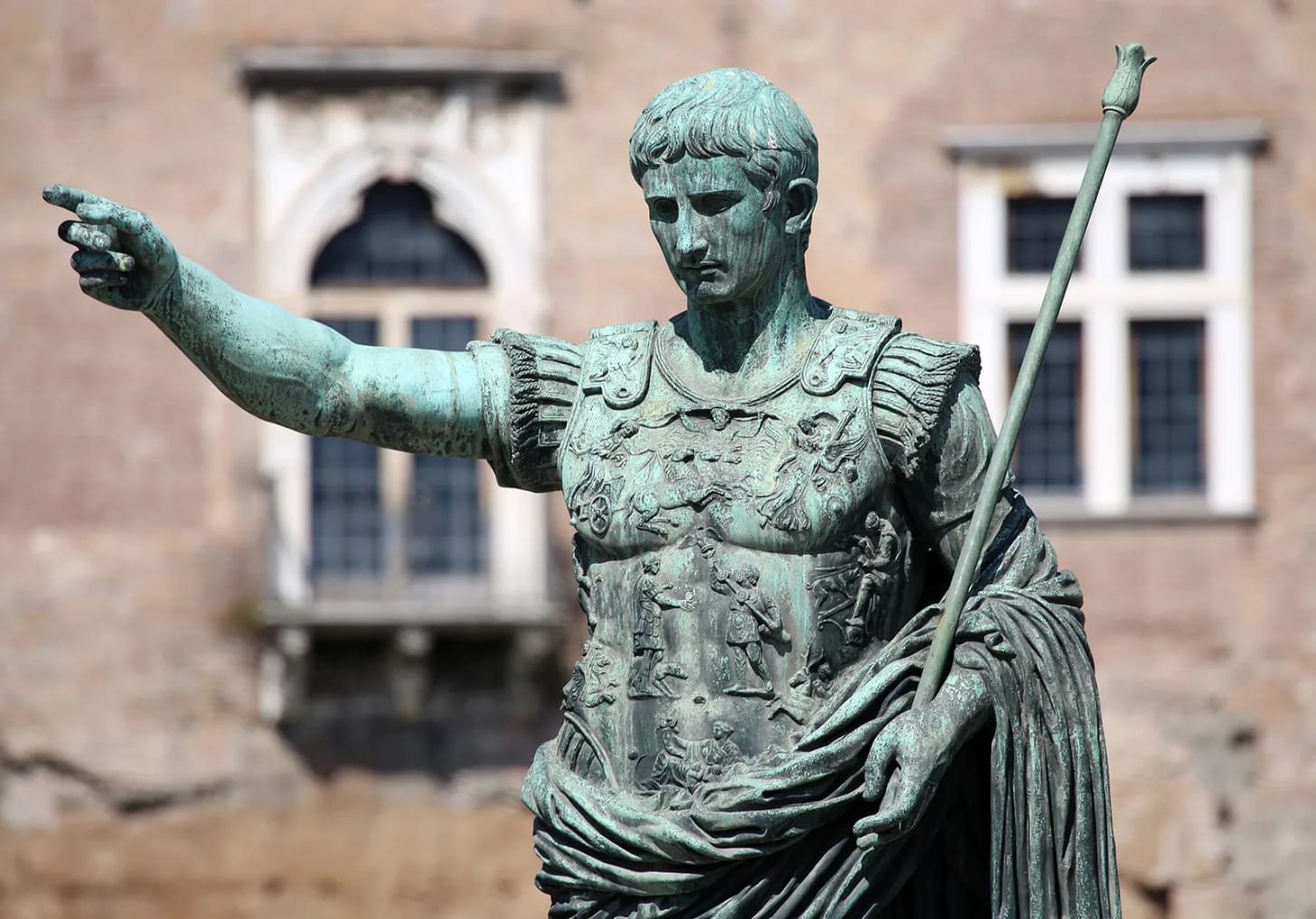
It’s August…The month that is a monument to power. Named for the man who turned a fractious republic into an enduring empire, it’s a reminder that even the calendar bends to politics. As we swelter in the dog days of summer, sipping iced coffees and doomscrolling headlines, it’s worth pausing to remember that two thousand years ago another world, too, was caught in the feverish heat of transition.
In the late first century BC, Rome was in flux. Its political stage was littered with the wreckage of civil wars, assassinations, and uneasy alliances. Out of this chaos stepped a man who was not yet Augustus, not yet “exalted one,” but a youth from a respectable family with ambition enough to outlast his enemies. His journey from Gaius Octavius Thurinus to emperor of the known world is the kind of story that feels almost mythic… except it actually happened.
How he did it, and what Rome became in the process, is a story as full of twists, gambles, and unlikely turns as any epic…
During this month that bears his name, it’s worth asking: what does it take, not just to seize power, but to hold it, shape it, and leave behind a legacy that still lingers two millennia later?
Read on for the incredible tale of the man and the empire he created in today’s Member’s In-depth article…
Members, you can also enjoy a full Classical Wisdom Litterae magazine dedicated to the Age of Augustus, below our feature column. Discover Augustus’ artistic audacity, his Albanian holiday home, his incredible mausoleum, his military prowess and more…
All the best,
Anya Leonard
Founder and Director
Classical Wisdom
Understand the reason for the season… as well as the birth of the Roman Empire in today’s Issue. Become a Member and find out how history has shaped our world:
Augustus & the Birth of an Empire
By Van Bryan
This month we look toward the world of Rome. During its transition from Republic to Empire, Rome saw dramatic upheavals in its political, cultural, and social order. When the dust settled, the Republic of Rome was no more. In its place was an empire that would exist, in one form or another, for the next 1,500 years.
With regards to this tumultuous time in history, most readers will be familiar with the most famous of events: the assassination of Julius Caesar, the suicide of Mark Antony and Cleopatra, and the rise of Rome’s first Emperor, Augustus.
Born in 63 B.C. in the town of Velletri, about 20 miles outside of Rome, Augustus was actually named Gaius Octavius Thurinus. He would be known by different names and honorific titles throughout his life. Each title points to a unique time in his life and, often, correlates with dramatic changes in Rome itself.
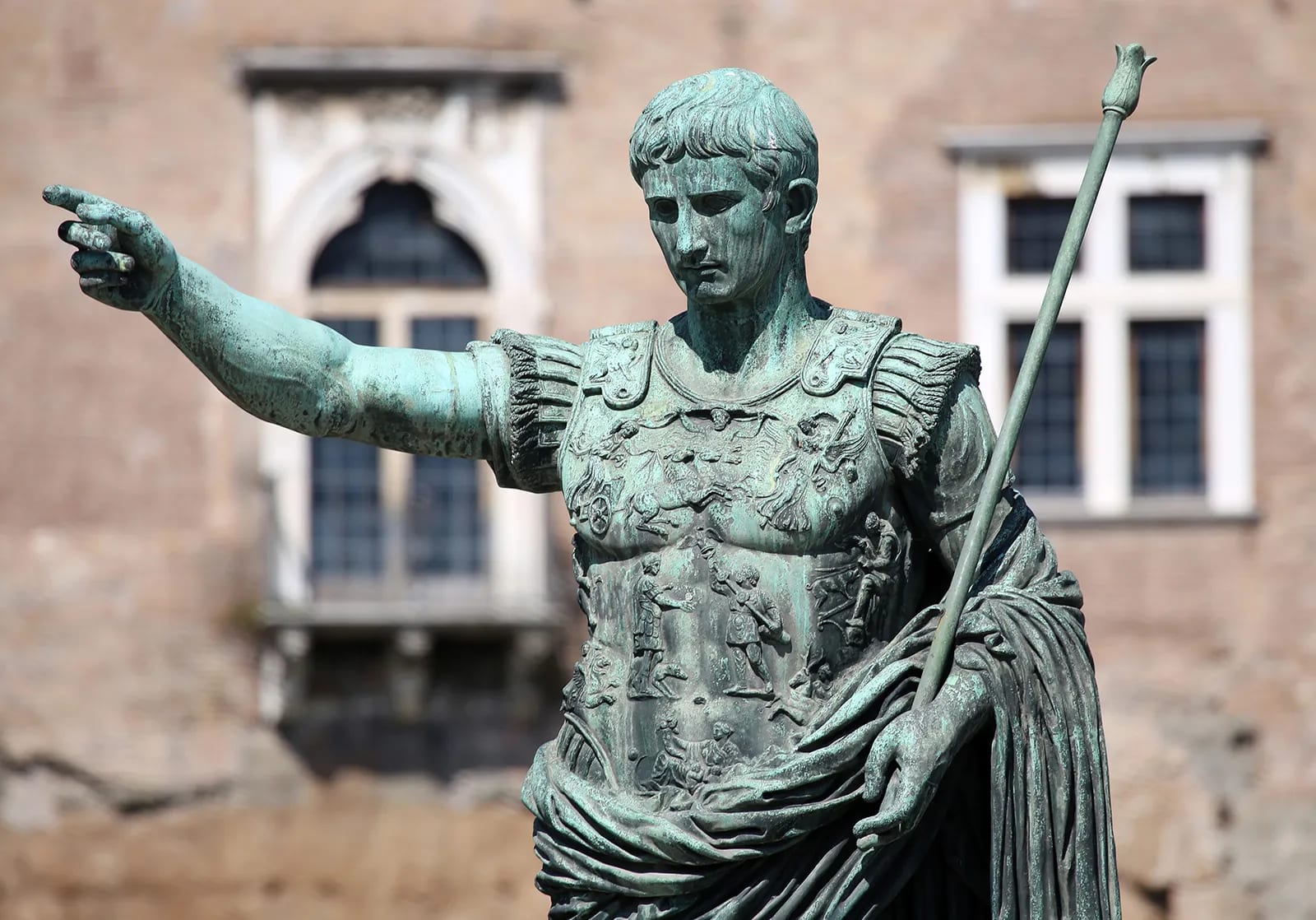
From his birth in 63 BC, he was called Octavius. After the announcement of his adoption by his great-uncle, Julius Caesar, he was known as Octavian. The man became Augustus in 26 B.C., when the Roman Senate conferred the title “Augustus” (meaning “exalted one”) upon the new emperor.
But now we are getting ahead of ourselves — let’s step back to Octavius’ early days.
Más info en https://ift.tt/KpJmuFe / Tfno. & WA 607725547 Centro MENADEL (Frasco Martín) Psicología Clínica y Tradicional en Mijas. #Menadel #Psicología #Clínica #Tradicional #MijasPueblo
*No suscribimos necesariamente las opiniones o artículos aquí compartidos. No todo es lo que parece.

No hay comentarios:
Publicar un comentario