
I can’t dance
I can’t talk
Only thing about me is the way I walk~ “I Can’t Dance“ by Genesis
Dear Classical Wisdom Reader,
Truth, Beauty, Virtue…
These are the grand and lofty topics most associated with philosophy and the ancient world… and they wouldn’t be wrong. We regularly swim in these dark and demanding waters, and are genuinely rewarded for the effort.
But not today, dear reader!
Instead we will stand on firmer, more tangible ground and investigate the seemingly banal and ordinary. It is, after all, a universal phenomena, a fact of life for the vast majority of those inhabiting the planet, a real action that takes place every single day, in every single city and town and country pasture the world over.
Today, I ask you: How do you walk?
I suspect for many modern readers this is not a regular topic of contemplation, one that occupies their daily thoughts... I may be wrong of course, but more often we pound the pavement with nary a concern for our pace, gait, or the precise angle of our feet.
And yet, it is something that is so much a part of us, something that defines and literally carries us through life. If we are, as Aristotle often argues, the result of our daily habits, what could be more physically fundamental than how we walk?
Indeed, it was of great importance in the ancient Roman world, recognized and codified in the tradition of ‘death walkers.’
What happens when ancient figures are slandered by ancient writers? This week we’ll look at the case of Augustus’ third wife, the notorious Livia, and debate if the accusations are true… Members: Watch your inbox! If you haven’t signed up, make sure to do so before then:
Okay, I grant this may seem weird at first, but honestly it makes a lot of sense once you think about... after all, how best to bring the dead back to life than to encapsulate their movements, to mimic their gait and literally invite them into the room?
Polybius describes the custom specifically in Book 6 of Histories as something that falls under the greater tradition of funus imaginarium, or “imaginary funeral.” Regarded as an old custom (veterum instituta) and linked to the Twelve Tables of Roman law, it was a funerary rite performed for emperors and slaves alike, especially when there was no body for the ceremony.
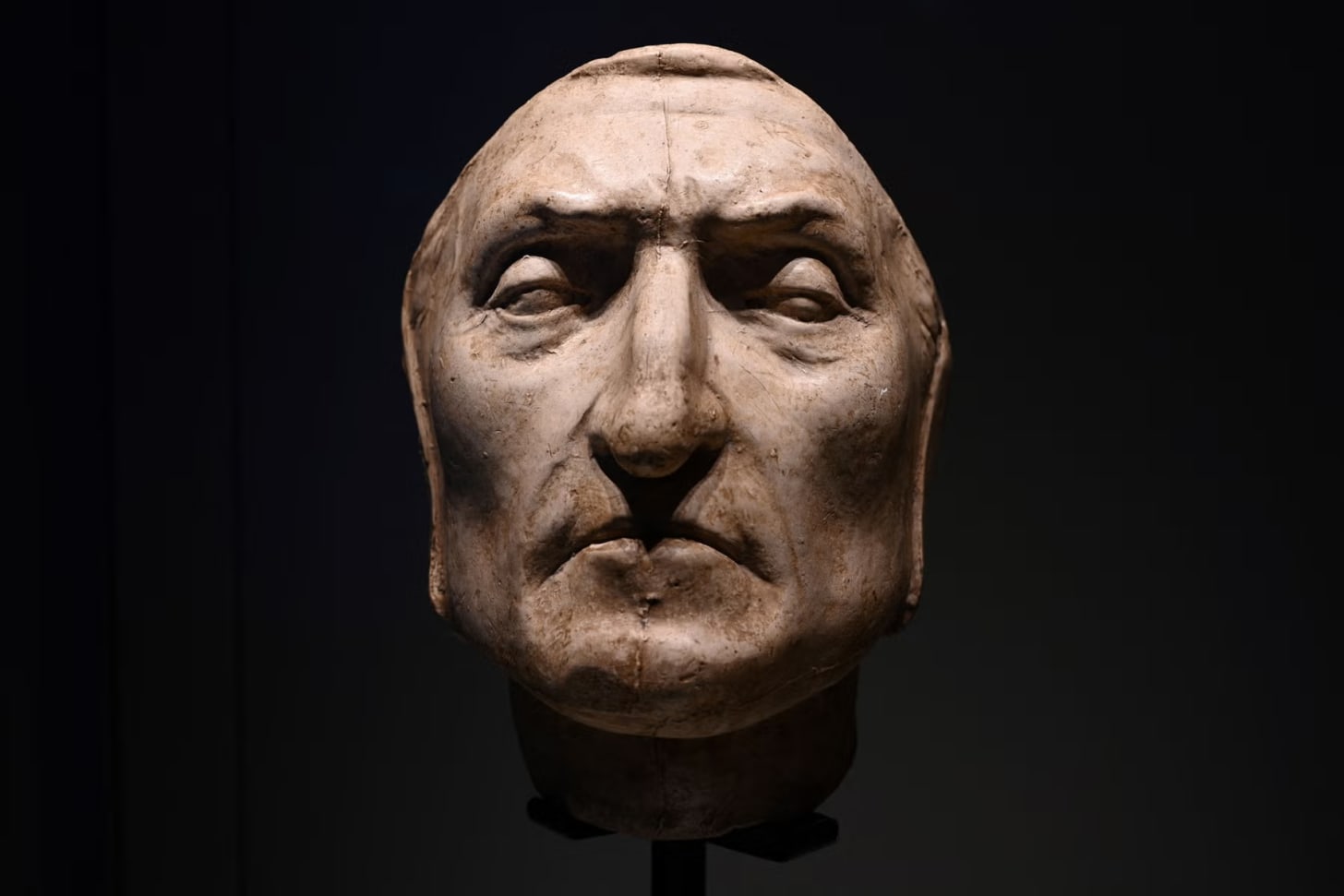
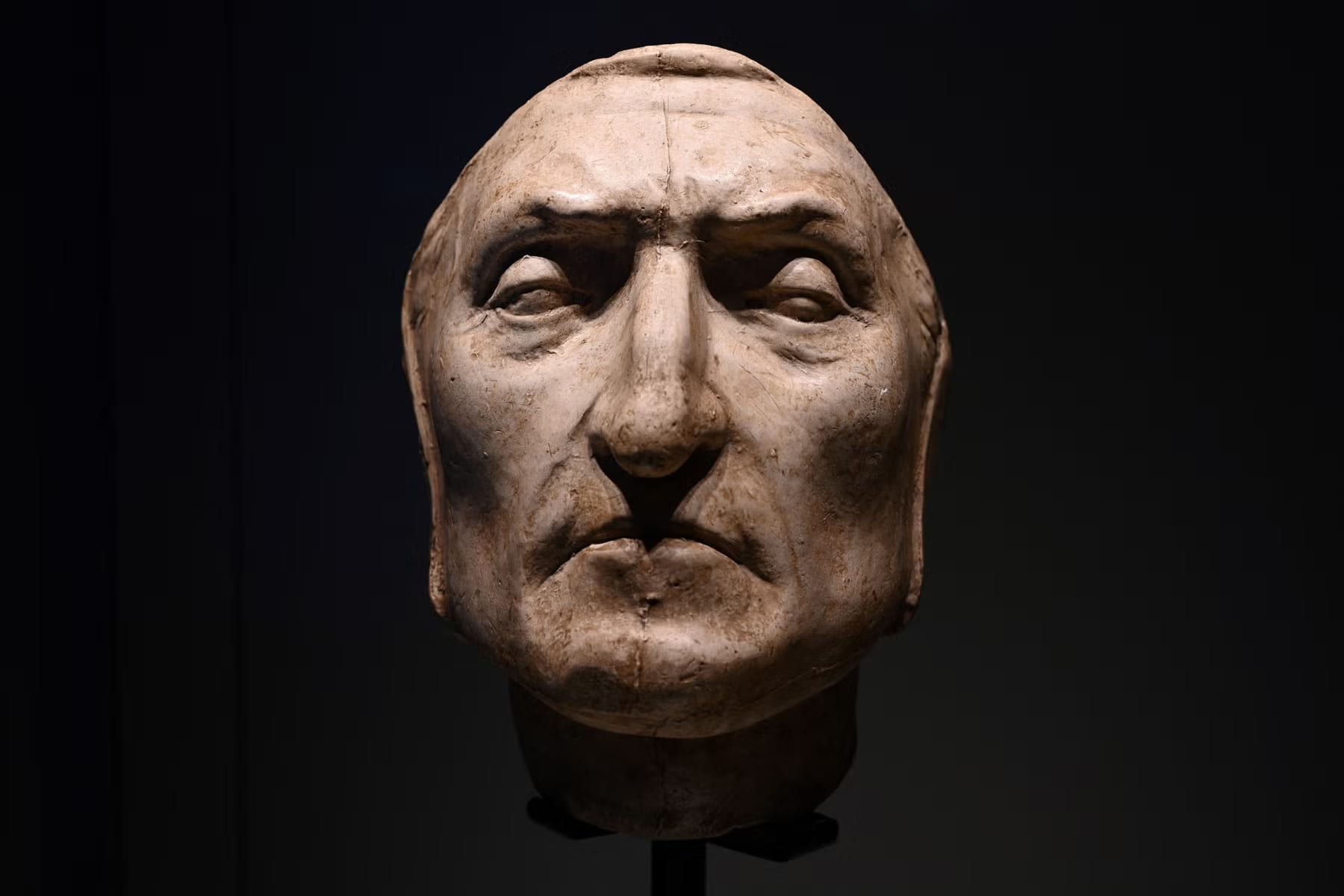
Within the broader aristocratic tradition, the use of imagines (ancestral masks) was critical. Elite Roman families lived among the wax masks of their distinguished ancestors, employing these likenesses during the practice of imagines maiorum (“images of the ancestors”). An actor would don the face, wrap the toga, and affect the mannerisms of the recently deceased...walk and all.
But it wasn’t only after life that walking mattered. Roman writers were, in fact, surprisingly attentive to the act, because they believed gait was a visible sign of character, status, gender norms, and even morality itself.
Cicero, in De Officiis, advises that a man’s walk (incessus) should be neither too fast nor too slow, but measured and dignified. It is an opportunity to display one’s self-control and seriousness (gravitas). Excessive movement or an affected style, according to the eclectic Roman philosopher and statesman, is unmanly or theatrical...vanity in motion. Meanwhile, walking too slowly or sluggishly demonstrates weakness.
A hundred years later, the Roman teacher, advocate, and rhetorician Quintilian delved into the art of the step in his famed Institutio Oratoria (“Education of the Orator”), one of antiquity’s most influential works on rhetoric and education. Quintilian treated gait as part of public speaking performance, paying particular attention to how one should enter a room, stand still, and move with purpose.
Gait is part of rhetoric; your body “speaks” before you do, so you should ensure it is controlled, deliberate, and appropriate to your rank.
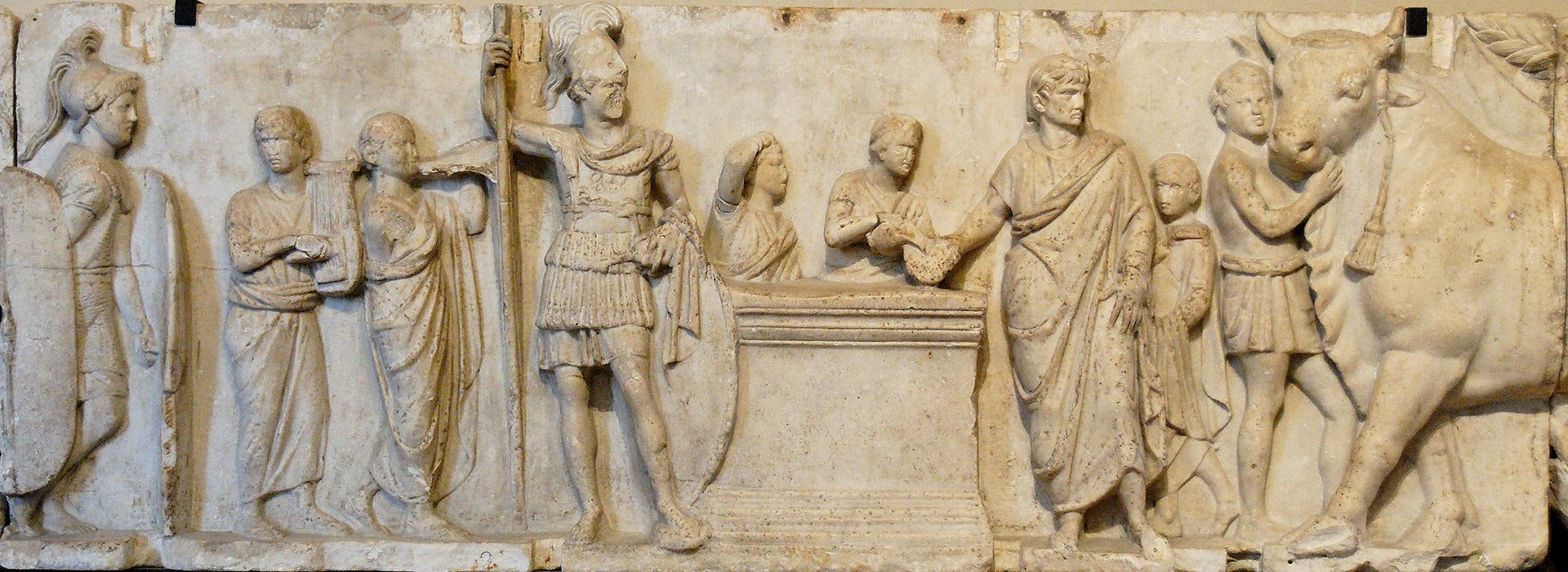
Seneca later advised a natural, simple manner of walking, mocking those with affected, stylized gaits meant to attract attention. The Roman philosopher and advisor to Nero believed an artificial gait reflected a corrupt or superficial character.
And, thanks to the Roman biographer Suetonius, who chronicled the lives of the Caesars, we know how the emperors took their strides. The first emperor, Augustus, was described as having a modest, composed bearing. Caligula was sometimes portrayed with peculiar or theatrical movement, while Tiberius was noted for a distinctive, sometimes unsettling demeanor...to the surprise of no one. The imperial gait, according to their biographer, was a window into personality.
Considering how critical walking was, you can imagine what the satirists and comic playwrights did with such observations. Juvenal, Plautus, and Terence were sure to employ movement to signal to the audience the nature of a character, their identity, virtue, or rank, to comic effect.
All of which is to say: to the ancient Romans, walking was much more than merely moving one’s legs to get from point A to point B. (This was also true for the Greeks, but that is for another article!) It was a revealing act...one which, if recognized and trained, could be shaped and employed with purpose.
Bring the wisdom of the ancients to your inbox! Become a free or paid subscriber and enjoy inspirations from the Classics:
Which is incredibly insightful, if you think about it.
After all, do we not still instinctively notice how someone walks? Do we not still deduce a great deal of information and draw conclusions, even if we aren’t conscious of it? Today, this idea is not enshrined in ritual, discussed in philosophy, or preserved in comedy with the same purposeful awareness...but that does not mean it isn’t important, or worthy of our careful investigation.
Take, for example, how a perpetrator stalks a victim. Does he choose the individual with long, confident strides, or seek out the nervous step?
When an audience watches a politician enter the stage, are they more likely to be persuaded if the individual waddles like a duck, stumbles like a pigeon, or parades like an Emu?
And what of a potential partner or lover, do they convey anxiety and caution, or beauty and grace with their movements and marks?
One only has to think of Maya Angelou’s Phenomenal Woman to know how the stride of the step, the joy of the feet, and the click of the heels can have an immense impact:
I walk into a room
Just as cool as you please,
And to a man,
The fellows stand or
Fall down on their knees.

So what does walking tell us? Does it merely create a simulacrum of the person? Does it reveal a tendency toward predator or prey? Does it convey health or the degeneration of strength?
And what do you know of the individuality of the walker?
Can you tell if someone is relaxed, stressed, assured, or controlled? What about whether they are the firstborn, confidently leading their siblings, or the baby of the family, forced into the habitual long stride just to keep up (like your editor, who has been compared - I like to believe favorably - to the Pink Panther)?
And perhaps most important of all, considering all the words, wit, and wisdom on the topic: is this something we should monitor in our own lives?
So, with all that in mind, I ask you, dear reader, how do you walk?
As always, join the conversation below!
All the best,
Anya Leonard
Founder and Director
Classical Wisdom
Más info en https://ift.tt/RmVkX3p / Tfno. & WA 607725547 Centro MENADEL (Frasco Martín) Psicología Clínica y Tradicional en Mijas. #Menadel #Psicología #Clínica #Tradicional #MijasPueblo
*No suscribimos necesariamente las opiniones o artículos aquí compartidos. No todo es lo que parece.

No hay comentarios:
Publicar un comentario