
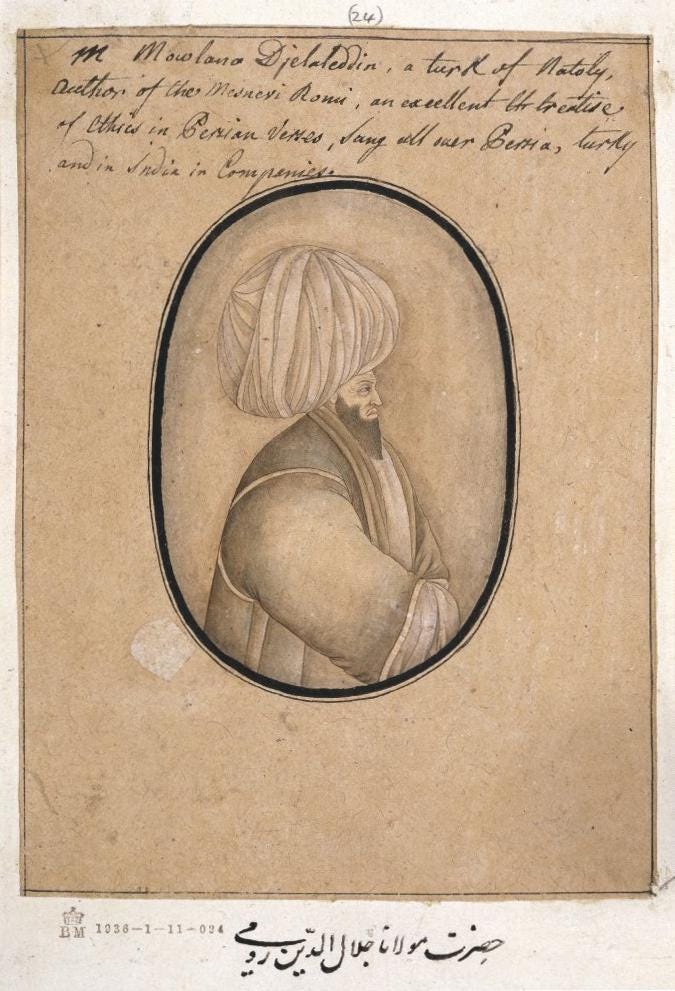
<h1>SPIRITUALRELIEF JOURNAL 02 SEPTEMBER 2026</h1><div><figure><a href="https://substackcdn.com/image/fetch/%24s_!U91o!,f_auto,q_auto:good,fl_progressive:steep/https%3A%2F%2Fsubstack-post-media.s3.amazonaws.com%2Fpublic%2Fimages%2F173555f4-675c-412c-8e07-e630e66e14e1_675x991.jpeg"></a><div><a href="https://substackcdn.com/image/fetch/%24s_!U91o!,f_auto,q_auto:good,fl_progressive:steep/https%3A%2F%2Fsubstack-post-media.s3.amazonaws.com%2Fpublic%2Fimages%2F173555f4-675c-412c-8e07-e630e66e14e1_675x991.jpeg"></a><source type="image/webp"><a href="https://substackcdn.com/image/fetch/%24s_!U91o!,f_auto,q_auto:good,fl_progressive:steep/https%3A%2F%2Fsubstack-post-media.s3.amazonaws.com%2Fpublic%2Fimages%2F173555f4-675c-412c-8e07-e630e66e14e1_675x991.jpeg"><img src="https://substackcdn.com/image/fetch/%24s_!U91o!,w_1456,c_limit,f_auto,q_auto:good,fl_progressive:steep/https%3A%2F%2Fsubstack-post-media.s3.amazonaws.com%2Fpublic%2Fimages%2F173555f4-675c-412c-8e07-e630e66e14e1_675x991.jpeg" width="675" height="991" alt=""></a></source><a href="https://substackcdn.com/image/fetch/%24s_!U91o!,f_auto,q_auto:good,fl_progressive:steep/https%3A%2F%2Fsubstack-post-media.s3.amazonaws.com%2Fpublic%2Fimages%2F173555f4-675c-412c-8e07-e630e66e14e1_675x991.jpeg"></a><div><a href="https://substackcdn.com/image/fetch/%24s_!U91o!,f_auto,q_auto:good,fl_progressive:steep/https%3A%2F%2Fsubstack-post-media.s3.amazonaws.com%2Fpublic%2Fimages%2F173555f4-675c-412c-8e07-e630e66e14e1_675x991.jpeg"></a><div><a href="https://substackcdn.com/image/fetch/%24s_!U91o!,f_auto,q_auto:good,fl_progressive:steep/https%3A%2F%2Fsubstack-post-media.s3.amazonaws.com%2Fpublic%2Fimages%2F173555f4-675c-412c-8e07-e630e66e14e1_675x991.jpeg"></a></div><a href="https://substackcdn.com/image/fetch/%24s_!U91o!,f_auto,q_auto:good,fl_progressive:steep/https%3A%2F%2Fsubstack-post-media.s3.amazonaws.com%2Fpublic%2Fimages%2F173555f4-675c-412c-8e07-e630e66e14e1_675x991.jpeg"></a></div><a href="https://substackcdn.com/image/fetch/%24s_!U91o!,f_auto,q_auto:good,fl_progressive:steep/https%3A%2F%2Fsubstack-post-media.s3.amazonaws.com%2Fpublic%2Fimages%2F173555f4-675c-412c-8e07-e630e66e14e1_675x991.jpeg"></a></div><a href="https://substackcdn.com/image/fetch/%24s_!U91o!,f_auto,q_auto:good,fl_progressive:steep/https%3A%2F%2Fsubstack-post-media.s3.amazonaws.com%2Fpublic%2Fimages%2F173555f4-675c-412c-8e07-e630e66e14e1_675x991.jpeg"></a></figure></div><p></p><div><hr></div><blockquote><p>There is one thing in this world that must never be forgotten.</p></blockquote><p><em>Fihi ma Fihi, Discourse 4, trans. A. J. Arberry</em></p><p>Forget everything else and hold on to this, Rumi says, and nothing is lost. Hold on to everything else and forget this, and you have done nothing at all.</p><p>Then he gives an example.</p><p>A king sends you to a village on one piece of business. You go. While you are there you find a hundred useful things to do, and you do them. You help people. You solve problems. You work hard. You come back exhausted, and you have forgotten the thing the king sent you for.</p><p>Standing in front of him again, none of the hundred count.</p><p>There was an errand. You were told what it was. The hundred things are what you did instead.</p><p>There is one difficulty with this passage, and it is not a small one.</p><p>He does say what kind of thing the errand is. Everyone comes into the world for one particular task, and that task is the purpose of the life. There he stops. He never tells anybody in the room which task is theirs.</p><div><hr></div><h2>The Other Book</h2><p>Most people meet Rumi somewhere else. A line about love on a card. A line about the wound and the light. Something read at a wedding, or printed under a photograph of a sunrise.</p><p>That Rumi is real and the verse is not being misrepresented. Tens of thousands of lines, much of it addressed to a beloved who is also God, and the temperature is exactly as high as the quotations suggest.</p><p>There is a second book, and he did not write it.</p><p>He talked. People sat in the room and afterwards wrote down what they could remember, and seventy-one of those gatherings survive. Nobody turned them into an argument. Somebody asks a question. Rumi answers. A story appears, then another. He changes direction. Somebody interrupts. The afternoon ends.</p><p>Scholars think the disciples recorded the parts that struck them and left out the opening and closing prayers, which is part of why the text reads the way it does. The material seems to have been gathered into single manuscripts after his death, probably by his eldest son Sultan Walad. Badi al-Zaman Forouzanfar established the standard Persian text in 1951, and Ja’far Modarres-Sadeghi produced an improved edition in 1994. Arberry made the first complete English translation in 1961; Wheeler Thackston published a second in 1994. The Mevlana Museum in Konya holds what UNESCO recognises as the oldest surviving manuscripts of Rumi’s works, this one among them.</p><div><figure><a href="https://substackcdn.com/image/fetch/%24s_!KXHr!,f_auto,q_auto:good,fl_progressive:steep/https%3A%2F%2Fsubstack-post-media.s3.amazonaws.com%2Fpublic%2Fimages%2Fdc7d887c-c0b5-4c0e-aa7c-0f4e455bf28b_300x544.jpeg"></a><div><a href="https://substackcdn.com/image/fetch/%24s_!KXHr!,f_auto,q_auto:good,fl_progressive:steep/https%3A%2F%2Fsubstack-post-media.s3.amazonaws.com%2Fpublic%2Fimages%2Fdc7d887c-c0b5-4c0e-aa7c-0f4e455bf28b_300x544.jpeg"></a><source type="image/webp"><a href="https://substackcdn.com/image/fetch/%24s_!KXHr!,f_auto,q_auto:good,fl_progressive:steep/https%3A%2F%2Fsubstack-post-media.s3.amazonaws.com%2Fpublic%2Fimages%2Fdc7d887c-c0b5-4c0e-aa7c-0f4e455bf28b_300x544.jpeg"><img src="https://substackcdn.com/image/fetch/%24s_!KXHr!,w_1456,c_limit,f_auto,q_auto:good,fl_progressive:steep/https%3A%2F%2Fsubstack-post-media.s3.amazonaws.com%2Fpublic%2Fimages%2Fdc7d887c-c0b5-4c0e-aa7c-0f4e455bf28b_300x544.jpeg" width="300" height="544" alt=""></a></source><a href="https://substackcdn.com/image/fetch/%24s_!KXHr!,f_auto,q_auto:good,fl_progressive:steep/https%3A%2F%2Fsubstack-post-media.s3.amazonaws.com%2Fpublic%2Fimages%2Fdc7d887c-c0b5-4c0e-aa7c-0f4e455bf28b_300x544.jpeg"></a><div><a href="https://substackcdn.com/image/fetch/%24s_!KXHr!,f_auto,q_auto:good,fl_progressive:steep/https%3A%2F%2Fsubstack-post-media.s3.amazonaws.com%2Fpublic%2Fimages%2Fdc7d887c-c0b5-4c0e-aa7c-0f4e455bf28b_300x544.jpeg"></a><div><a href="https://substackcdn.com/image/fetch/%24s_!KXHr!,f_auto,q_auto:good,fl_progressive:steep/https%3A%2F%2Fsubstack-post-media.s3.amazonaws.com%2Fpublic%2Fimages%2Fdc7d887c-c0b5-4c0e-aa7c-0f4e455bf28b_300x544.jpeg"></a></div><a href="https://substackcdn.com/image/fetch/%24s_!KXHr!,f_auto,q_auto:good,fl_progressive:steep/https%3A%2F%2Fsubstack-post-media.s3.amazonaws.com%2Fpublic%2Fimages%2Fdc7d887c-c0b5-4c0e-aa7c-0f4e455bf28b_300x544.jpeg"></a></div><a href="https://substackcdn.com/image/fetch/%24s_!KXHr!,f_auto,q_auto:good,fl_progressive:steep/https%3A%2F%2Fsubstack-post-media.s3.amazonaws.com%2Fpublic%2Fimages%2Fdc7d887c-c0b5-4c0e-aa7c-0f4e455bf28b_300x544.jpeg"></a></div><a href="https://substackcdn.com/image/fetch/%24s_!KXHr!,f_auto,q_auto:good,fl_progressive:steep/https%3A%2F%2Fsubstack-post-media.s3.amazonaws.com%2Fpublic%2Fimages%2Fdc7d887c-c0b5-4c0e-aa7c-0f4e455bf28b_300x544.jpeg"></a></figure></div><p>The Persian title is close to a shrug.</p><p><em>Fihi ma fihi.</em> In it is what is in it.</p><p>It may be the nearest thing we have to sitting in a room and listening to the man talk.</p><div><hr></div><h2>The Room</h2><p>The room matters, because outside it the world was coming apart.</p><p>In February 1258 the Mongol army entered Baghdad and ended the Abbasid caliphate there. Konya sits about five hundred miles west, on the Anatolian plateau, and Anatolia had already gone the same way. The Seljuks were broken at Köse Dağ in 1243 and the sultanate continued at Mongol pleasure.</p><p>Rumi was in his sixties by then. He had spent the first half of his life as a respectable jurist and professor, a man with students, a household and a career, until a wandering dervish called Shams of Tabriz came through Konya and took the entire arrangement apart. Whatever was left afterwards wrote the poetry.</p><p>One of the men in these gatherings was Mu’in al-Din Sulayman, the Parvana, who ran Anatolia on the Mongols’ behalf while privately working on Baybars in Cairo to move against them. The book’s opening discourse is addressed to him and it is not a courtesy. Rumi tells him that the statecraft he took up to protect Islam has been turned into the instrument of its ruin, that he is now assisting the Tatars against Syria and Egypt, and that the cause of survival has become the cause of decline.</p><p>Then, in the last lines of that discourse, Rumi records what the Parvana did with it. He took the warning about trusting your own judgement and construed it as advice for the campaign he was already running: we are marching now, we should not be overconfident, and if we are broken we should not lose heart.</p><p><em>My purpose was what I said.</em></p><p>The first chapter of the book ends with the teacher noting, for the record, that the listener heard what he wanted to hear. The Mongols executed the Parvana in 1277, four years after Rumi died.</p><p>The people in that room knew what kind of world they were living in. The old order had been opened like a box and it was not going to close again.</p><p>On one of these afternoons, somebody stands up because he has forgotten something.</p><p>An object. Something put down somewhere and now missing.</p><p>Nobody looks for it. Instead Rumi begins talking about the one thing a human being must not forget, and never tells him which one is his.</p><div><hr></div><h2>What the Mountains Could Not Do</h2><p>He starts by naming what the rest of creation can do.</p><p>Everything has been assigned a task. The heavens send rain and light so the herbs of the field come up. The earth takes the seed and hands back a hundred thousand marvels too numerous to tell. The mountains give forth mines of gold and silver.</p><p>All of it happens continually, and none of it is the task under discussion.</p><blockquote><p>All these things the heavens, the earth and the mountains do, yet they do not perform that one thing; that particular task is performed by us.</p></blockquote><p><em>Fihi ma Fihi, Discourse 4</em></p><p>Behind this sits the verse about the Trust, offered to the heavens and the earth and the mountains, which refused it and were afraid of it. The human being carried it. The verse then calls the human being foolish and sinful for having done so.</p><p>Rumi takes those two words as a condition rather than a verdict. Perform the task and the foolishness and the sinfulness dissolve.</p><p>So the question has changed shape. There is something we came here to do. Nothing else in creation can do it on our behalf. And most of us appear to be entirely capable of spending a life on something else.</p><div><hr></div><h2>Three Objects</h2><p>He starts handing you things.</p><p>Imagine you own a sword of Indian steel, the kind a king keeps locked away, and you use it to hack up rotten meat. Somebody asks why. At least I’m using it, you say.</p><p>Or you own a gold cooking pot and you boil turnips in it. A chip off the rim would buy a hundred ordinary pots. Never mind. The turnips need boiling.</p><p>Then the best one. You have a jewelled knife. You drive it into a wall and hang a broken gourd from it.</p><p>Look, you say. I’ve found a use for it.</p><p>Stay there a moment, because nothing is being neglected. The knife is not rusting in a drawer. The gourd genuinely needs somewhere to hang. There is a reason for what you have done and the reason is perfectly sensible.</p><p>That is what makes the image uncomfortable.</p><p>The mistake is not uselessness. It is usefulness. You have taken something whose value you do not understand and found a practical use for it, and the practicality is what hides the error. A wooden or iron nail worth a few coppers holds the gourd just as well. What sense is there in tying up a hundred-dinar knife on that job?</p><p>Then Rumi turns the object around. Do not sell yourself cheap, he says, because you are worth a great deal.</p><p>God is the buyer. What has been bought is your hours, your breaths, your possessions, your days, and the price set on them is an eternal paradise. That is the valuation.</p><p>Sell yourself below it and you have done what the man with the knife did. A hundred dinars driven into a wall to hold up a gourd.</p><div><hr></div><h2>The Root</h2><p>At this point somebody in the room can make the obvious objection. Perhaps I do spend my life on important things. Law. Philosophy. Logic. Medicine. The stars.</p><p>The answer is severe.</p><p>All of that is for you. Law keeps somebody from taking your bread, your coat or your life. Medicine preserves you. Astronomy tells you about harvests, journeys, fortune, the conditions of the world you happen to live in. Even your birth chart is about you.</p><p>Then he gives it one turn.</p><blockquote><p>You are the root, and all of that is the branch.</p></blockquote><p><em>Fihi ma Fihi</em></p><p>If the branches contain this many worlds, this much detail, this many wonders without end, what do you suppose is going on in the root?</p><p>He leaves it there.</p><p>It is probably the most flattering thing anybody will say to you all year, and he spends about a second on it before moving on.</p><div><hr></div><h2>Horse Food Is Not Rider Food</h2><p>There is a food besides eating and sleeping, he says, and you have forgotten it.</p><p>Night and day you feed the animal. The body is a horse and the world is the stable where it eats. The horse has its own hunger, its own sleep, its own comforts, and there is nothing wrong with any of them. The trouble starts when the rider forgets that he is not the horse.</p><p>Then comes a love story everybody in the room already knows.</p><p>Majnun is trying to reach the country where Layla lives, and he is riding a camel. As long as he is paying attention, they travel toward her. But Majnun is in love. Every so often he disappears into thoughts of Layla and forgets himself, forgets the road, forgets the animal underneath him.</p><p>The moment he does, the camel turns around. Her foal is back in the village. She wants to go home.</p><p>Majnun comes back to himself, finds they have been travelling the wrong way, turns her around and starts again. Then he disappears into Layla, and the camel turns back toward her foal.</p><p>This goes on for months. Majnun is full of love. The camel is full of love. They are going in opposite directions.</p><p>Eventually Majnun gets down off the camel.</p><blockquote><p>What is behind her pulls her. What is ahead pulls me. We were never going the same way.</p></blockquote><p><em>Fihi ma Fihi</em></p><p>So he walks.</p><div><figure><a href="https://substackcdn.com/image/fetch/%24s_!Axwq!,f_auto,q_auto:good,fl_progressive:steep/https%3A%2F%2Fsubstack-post-media.s3.amazonaws.com%2Fpublic%2Fimages%2Fdd31805b-c07a-4e40-89d2-f7df52e22e62_736x1089.jpeg"></a><div><a href="https://substackcdn.com/image/fetch/%24s_!Axwq!,f_auto,q_auto:good,fl_progressive:steep/https%3A%2F%2Fsubstack-post-media.s3.amazonaws.com%2Fpublic%2Fimages%2Fdd31805b-c07a-4e40-89d2-f7df52e22e62_736x1089.jpeg"></a><source type="image/webp"><a href="https://substackcdn.com/image/fetch/%24s_!Axwq!,f_auto,q_auto:good,fl_progressive:steep/https%3A%2F%2Fsubstack-post-media.s3.amazonaws.com%2Fpublic%2Fimages%2Fdd31805b-c07a-4e40-89d2-f7df52e22e62_736x1089.jpeg"><img src="https://substackcdn.com/image/fetch/%24s_!Axwq!,w_1456,c_limit,f_auto,q_auto:good,fl_progressive:steep/https%3A%2F%2Fsubstack-post-media.s3.amazonaws.com%2Fpublic%2Fimages%2Fdd31805b-c07a-4e40-89d2-f7df52e22e62_736x1089.jpeg" width="736" height="1089" alt=""></a></source><a href="https://substackcdn.com/image/fetch/%24s_!Axwq!,f_auto,q_auto:good,fl_progressive:steep/https%3A%2F%2Fsubstack-post-media.s3.amazonaws.com%2Fpublic%2Fimages%2Fdd31805b-c07a-4e40-89d2-f7df52e22e62_736x1089.jpeg"></a><div><a href="https://substackcdn.com/image/fetch/%24s_!Axwq!,f_auto,q_auto:good,fl_progressive:steep/https%3A%2F%2Fsubstack-post-media.s3.amazonaws.com%2Fpublic%2Fimages%2Fdd31805b-c07a-4e40-89d2-f7df52e22e62_736x1089.jpeg"></a><div><a href="https://substackcdn.com/image/fetch/%24s_!Axwq!,f_auto,q_auto:good,fl_progressive:steep/https%3A%2F%2Fsubstack-post-media.s3.amazonaws.com%2Fpublic%2Fimages%2Fdd31805b-c07a-4e40-89d2-f7df52e22e62_736x1089.jpeg"></a></div><a href="https://substackcdn.com/image/fetch/%24s_!Axwq!,f_auto,q_auto:good,fl_progressive:steep/https%3A%2F%2Fsubstack-post-media.s3.amazonaws.com%2Fpublic%2Fimages%2Fdd31805b-c07a-4e40-89d2-f7df52e22e62_736x1089.jpeg"></a></div><a href="https://substackcdn.com/image/fetch/%24s_!Axwq!,f_auto,q_auto:good,fl_progressive:steep/https%3A%2F%2Fsubstack-post-media.s3.amazonaws.com%2Fpublic%2Fimages%2Fdd31805b-c07a-4e40-89d2-f7df52e22e62_736x1089.jpeg"></a></div><a href="https://substackcdn.com/image/fetch/%24s_!Axwq!,f_auto,q_auto:good,fl_progressive:steep/https%3A%2F%2Fsubstack-post-media.s3.amazonaws.com%2Fpublic%2Fimages%2Fdd31805b-c07a-4e40-89d2-f7df52e22e62_736x1089.jpeg"></a></figure></div><p><em>Layla and Majnun in the wilderness with animals, from a Khamsa of Amir Khusrau Dihlavi. Attributed to Sanwalah, Mughal India, c. 1590–1600. Opaque watercolour on paper, 18.6 × 16.2 cm. The Cleveland Museum of Art, 2013.301.</em></p><p>His desire was never false. The love was real and the destination was real. The problem was the vehicle. The thing carrying him had business of its own and it was patient. It only ever had to wait for him to close his eyes.</p><div><hr></div><h2>Praise</h2><p>Then he quotes his own teacher.</p><p>Somebody came to Burhan al-Din and told him his friends had been singing his praises. Burhan al-Din said he would wait until he met these friends, to find out whether they knew him well enough to praise him at all.</p><p>If they know me only by word of mouth, they do not know me. Words do not last. Syllables and sounds do not last. This body, these lips, this mouth will not last, and all of it is an accident of the moment.</p><p>If they know my works and know my essential self, then the praise can go where it belongs.</p><p>The question is not whether the praise is accurate. It is whether the man giving it is in any position to know what he is praising.</p><div><hr></div><h2>The Ring</h2><p>Which brings him to a ring.</p><p>A king gives his son the best education available. Astronomy, geomancy, the whole apparatus of an educated life, and the boy masters it.</p><p>One day the king closes his hand around something and asks his son what is in his fist.</p><p>The son studies the signs. It is round. It is yellow. It has a hole through the middle.</p><p>Correct, says the king. Now tell me what it is.</p><p>The son thinks.</p><p>A sieve. It must be a sieve.</p><div><figure><a href="https://substackcdn.com/image/fetch/%24s_!PfDx!,f_auto,q_auto:good,fl_progressive:steep/https%3A%2F%2Fsubstack-post-media.s3.amazonaws.com%2Fpublic%2Fimages%2Fe30fdb4f-45c1-42a0-aea3-8cb65bd73c1b_2898x3870.jpeg"></a><div><a href="https://substackcdn.com/image/fetch/%24s_!PfDx!,f_auto,q_auto:good,fl_progressive:steep/https%3A%2F%2Fsubstack-post-media.s3.amazonaws.com%2Fpublic%2Fimages%2Fe30fdb4f-45c1-42a0-aea3-8cb65bd73c1b_2898x3870.jpeg"></a><source type="image/webp"><a href="https://substackcdn.com/image/fetch/%24s_!PfDx!,f_auto,q_auto:good,fl_progressive:steep/https%3A%2F%2Fsubstack-post-media.s3.amazonaws.com%2Fpublic%2Fimages%2Fe30fdb4f-45c1-42a0-aea3-8cb65bd73c1b_2898x3870.jpeg"><img src="https://substackcdn.com/image/fetch/%24s_!PfDx!,w_1456,c_limit,f_auto,q_auto:good,fl_progressive:steep/https%3A%2F%2Fsubstack-post-media.s3.amazonaws.com%2Fpublic%2Fimages%2Fe30fdb4f-45c1-42a0-aea3-8cb65bd73c1b_2898x3870.jpeg" width="1456" height="1944" alt=""></a></source><a href="https://substackcdn.com/image/fetch/%24s_!PfDx!,f_auto,q_auto:good,fl_progressive:steep/https%3A%2F%2Fsubstack-post-media.s3.amazonaws.com%2Fpublic%2Fimages%2Fe30fdb4f-45c1-42a0-aea3-8cb65bd73c1b_2898x3870.jpeg"></a><div><a href="https://substackcdn.com/image/fetch/%24s_!PfDx!,f_auto,q_auto:good,fl_progressive:steep/https%3A%2F%2Fsubstack-post-media.s3.amazonaws.com%2Fpublic%2Fimages%2Fe30fdb4f-45c1-42a0-aea3-8cb65bd73c1b_2898x3870.jpeg"></a><div><a href="https://substackcdn.com/image/fetch/%24s_!PfDx!,f_auto,q_auto:good,fl_progressive:steep/https%3A%2F%2Fsubstack-post-media.s3.amazonaws.com%2Fpublic%2Fimages%2Fe30fdb4f-45c1-42a0-aea3-8cb65bd73c1b_2898x3870.jpeg"></a></div><a href="https://substackcdn.com/image/fetch/%24s_!PfDx!,f_auto,q_auto:good,fl_progressive:steep/https%3A%2F%2Fsubstack-post-media.s3.amazonaws.com%2Fpublic%2Fimages%2Fe30fdb4f-45c1-42a0-aea3-8cb65bd73c1b_2898x3870.jpeg"></a></div><a href="https://substackcdn.com/image/fetch/%24s_!PfDx!,f_auto,q_auto:good,fl_progressive:steep/https%3A%2F%2Fsubstack-post-media.s3.amazonaws.com%2Fpublic%2Fimages%2Fe30fdb4f-45c1-42a0-aea3-8cb65bd73c1b_2898x3870.jpeg"></a></div><a href="https://substackcdn.com/image/fetch/%24s_!PfDx!,f_auto,q_auto:good,fl_progressive:steep/https%3A%2F%2Fsubstack-post-media.s3.amazonaws.com%2Fpublic%2Fimages%2Fe30fdb4f-45c1-42a0-aea3-8cb65bd73c1b_2898x3870.jpeg"></a></figure></div><p><em>Planispheric astrolabe by Muhammad Zaman al-Munajjim al-Asturlabi. Iran, Mashhad, AH 1065 / 1654–55. Brass and steel. The Metropolitan Museum of Art, Harris Brisbane Dick Fund, 1963 (63.166a–j).</em></p><blockquote><p>You gave me every property correctly. You made observations that would impress a clever man. And somehow you missed the simplest fact of all.</p></blockquote><p><em>Fihi ma Fihi</em></p><p>A sieve does not fit inside a fist.</p><p>This is his charge against the learned men of his age. They can split hairs. They can master distant subjects. They can tell you all day what is permitted and what is forbidden, and the nearest thing of all stays unknown. He does not know whether he himself is permitted.</p><p>Then he returns to the ring.</p><p>The roundness, the colour, the hole. Throw it into the fire and those things go. What is left is what it always was.</p><p>Perhaps this is why the one thing is so hard to name. Everything we normally reach for to describe ourselves belongs to the ring’s roundness and colour. Our work, our opinions, our reputation, our knowledge, the things we spent years becoming good at.</p><p>All accurate. And still a sieve in a fist.</p><div><hr></div><h2>The Bird and the Hunter</h2><p>Near the end of the afternoon he offers a test.</p><div><figure><a href="https://substackcdn.com/image/fetch/%24s_!92Ez!,f_auto,q_auto:good,fl_progressive:steep/https%3A%2F%2Fsubstack-post-media.s3.amazonaws.com%2Fpublic%2Fimages%2F993bf55b-e4d5-4bc6-9cd3-c20b0490cc32_4000x2562.jpeg"></a><div><a href="https://substackcdn.com/image/fetch/%24s_!92Ez!,f_auto,q_auto:good,fl_progressive:steep/https%3A%2F%2Fsubstack-post-media.s3.amazonaws.com%2Fpublic%2Fimages%2F993bf55b-e4d5-4bc6-9cd3-c20b0490cc32_4000x2562.jpeg"></a><source type="image/webp"><a href="https://substackcdn.com/image/fetch/%24s_!92Ez!,f_auto,q_auto:good,fl_progressive:steep/https%3A%2F%2Fsubstack-post-media.s3.amazonaws.com%2Fpublic%2Fimages%2F993bf55b-e4d5-4bc6-9cd3-c20b0490cc32_4000x2562.jpeg"><img src="https://substackcdn.com/image/fetch/%24s_!92Ez!,w_1456,c_limit,f_auto,q_auto:good,fl_progressive:steep/https%3A%2F%2Fsubstack-post-media.s3.amazonaws.com%2Fpublic%2Fimages%2F993bf55b-e4d5-4bc6-9cd3-c20b0490cc32_4000x2562.jpeg" width="1456" height="933" alt=""></a></source><a href="https://substackcdn.com/image/fetch/%24s_!92Ez!,f_auto,q_auto:good,fl_progressive:steep/https%3A%2F%2Fsubstack-post-media.s3.amazonaws.com%2Fpublic%2Fimages%2F993bf55b-e4d5-4bc6-9cd3-c20b0490cc32_4000x2562.jpeg"></a><div><a href="https://substackcdn.com/image/fetch/%24s_!92Ez!,f_auto,q_auto:good,fl_progressive:steep/https%3A%2F%2Fsubstack-post-media.s3.amazonaws.com%2Fpublic%2Fimages%2F993bf55b-e4d5-4bc6-9cd3-c20b0490cc32_4000x2562.jpeg"></a><div><a href="https://substackcdn.com/image/fetch/%24s_!92Ez!,f_auto,q_auto:good,fl_progressive:steep/https%3A%2F%2Fsubstack-post-media.s3.amazonaws.com%2Fpublic%2Fimages%2F993bf55b-e4d5-4bc6-9cd3-c20b0490cc32_4000x2562.jpeg"></a></div><a href="https://substackcdn.com/image/fetch/%24s_!92Ez!,f_auto,q_auto:good,fl_progressive:steep/https%3A%2F%2Fsubstack-post-media.s3.amazonaws.com%2Fpublic%2Fimages%2F993bf55b-e4d5-4bc6-9cd3-c20b0490cc32_4000x2562.jpeg"></a></div><a href="https://substackcdn.com/image/fetch/%24s_!92Ez!,f_auto,q_auto:good,fl_progressive:steep/https%3A%2F%2Fsubstack-post-media.s3.amazonaws.com%2Fpublic%2Fimages%2F993bf55b-e4d5-4bc6-9cd3-c20b0490cc32_4000x2562.jpeg"></a></div><a href="https://substackcdn.com/image/fetch/%24s_!92Ez!,f_auto,q_auto:good,fl_progressive:steep/https%3A%2F%2Fsubstack-post-media.s3.amazonaws.com%2Fpublic%2Fimages%2F993bf55b-e4d5-4bc6-9cd3-c20b0490cc32_4000x2562.jpeg"></a></figure></div><p><em>Study of a Bird by Riza-yi ‘Abbasi. Iran, Isfahan, 1634. Ink, opaque watercolour, gold and silver on paper. The Metropolitan Museum of Art, Louis E. and Theresa S. Seley Purchase Fund for Islamic Art and Rogers Fund, 1985 (1985.2).</em></p><p>He says it about himself. I am a bird. I am a nightingale. Tell me to make some other kind of sound and I cannot. My tongue is what it is.</p><p>Then the people who learn the song of birds. They are not birds. They are the enemies of birds and their captors. They sing and whistle so that others will take them for birds, and if you ask them for a different call they produce one, because the call was never theirs to begin with. Every tune has been robbed from some other breast.</p><p>It is a strange place to finish, because the false call is not bad. It may be technically perfect. That is exactly why it works. The difference sits somewhere else. One sound grew out of a creature. The other was learned because it was useful.</p><p>The bird cannot trade its voice for another one. There is nothing else in the throat.</p><div><hr></div><h2>The Man Who Is Still Standing</h2><p>We are back where the afternoon started.</p><p>Somebody is on his feet in a room in Konya because he has lost something. He came looking for an object, and he never gets told where it is. What he gets instead is an errand from a king, a sword used on rotten meat, a gold pot full of turnips, a jewelled knife holding up a broken gourd, a rider whose animal keeps carrying him home, a brilliant student who looks at a ring and sees a sieve, and a hunter who can sound exactly like a bird.</p><p>Running underneath all of it is one possibility. That a person can be intelligent, busy, sincere, educated, useful, even full of love, and still forget the thing they came here for.</p><p>Rumi never tells him which task is his.</p><p>The room is gone. Konya is a modern city with traffic moving through it. The Parvana who sat at the back was executed by the Mongols four years after Rumi died. Everyone who tried to remember these conversations is gone, and the man doing the talking lies under a green dome that people still cross the world to see.</p><p>The afternoon is not quite over.</p><p>Somebody is still standing up. Somebody has forgotten something and cannot quite say what it is, and they have come to a room to ask.</p><p><em>Fihi ma fihi.</em> In it is what is in it.</p><div><hr></div><h2>After Dark</h2><p><em>After Dark is the paid side of SpiritualRelief. Support from readers funds the research, writing, editing and production behind the films and the Journal. Members receive one additional piece each month, published on the 31st.</em></p><p><a href="https://spiritualrelief.substack.com/p/after-dark"><span>ENTER AFTER DARK</span></a></p><div><hr></div><p><strong>SPIRITUALRELIEF JOURNAL · NO. 02</strong></p><p><em>A companion to the SpiritualRelief film.</em></p><p></p><div><div><iframe allowfullscreen="allowfullscreen" src="https://www.youtube-nocookie.com/embed/0QA6hI467V8?rel=0&autoplay=0&showinfo=0&enablejsapi=0" frameborder="0" width="728" height="409"></iframe></div></div><div><hr></div><p><em>SpiritualRelief. A sanctuary for mystic hearts. Explore the hidden side of reality.</em></p>
<p><a href="https://spiritualrelief.substack.com/p/the-one-thing" target="_blank">- Enlace a artículo -</a></p>
<p>Más info en https://ift.tt/xWLNUqw / Tfno. & WA 607725547 Centro MENADEL (Frasco Martín) Psicología Clínica y Tradicional en Mijas.
#Menadel #Psicología #Clínica #Tradicional #MijasPueblo</p>
<p>*No suscribimos necesariamente las opiniones o artículos aquí compartidos. No todo es lo que parece.</p>

No hay comentarios:
Publicar un comentario